


Flesh-eating parasite detected in US after decades
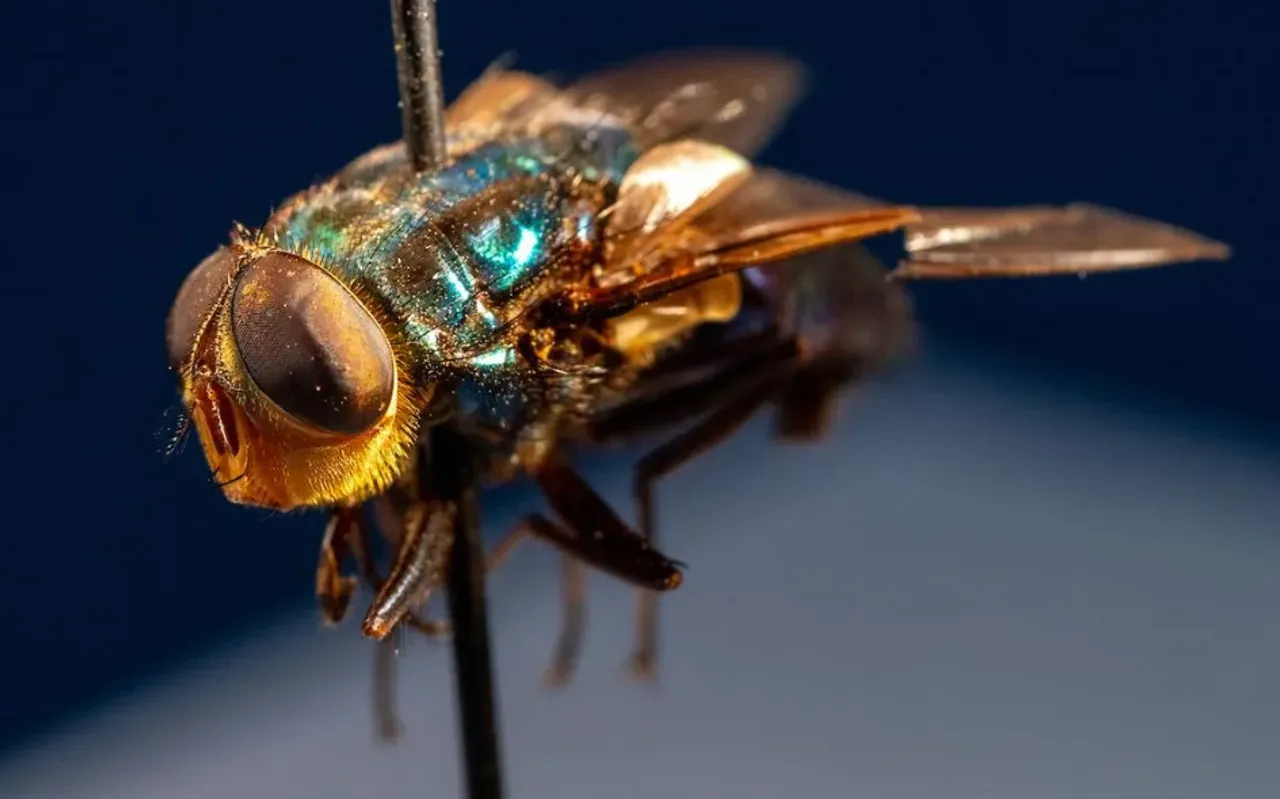
A dangerous parasite that feeds on the living tissues of animals — the New World screwworm — has been detected in Texas, USA. This marked the first recorded case of the parasite in a wild animal in the country. This was reported by the US Department of Agriculture.
According to reports, the parasite was found in an elk living on a hunting estate in Pecos County, Texas. After the animal was hunted by a hunter, specialists were notified.
Inspections on wild animals intensified
Following the incident, the Texas Animal Health Commission is reviewing the boundaries of the area where the parasite could spread. The US Department of Agriculture and the Texas Parks and Wildlife Department are also conducting additional inspections of surrounding wildlife.
Alan Cain, director of the Texas Wildlife Division, urged hunters and landowners to pay attention to signs of the parasite in animals. He encouraged those who spend time in nature during the hunting season to be cautious.
How did the parasite return to the US?
The New World screwworm was eradicated in the US several decades ago. However, in recent years it has begun spreading northward from Mexico through Central America. This situation has raised serious concerns for the livestock industry in the US.
To limit the spread of the parasite, the US suspended the import of live cattle from Mexico last year. Imports were gradually resumed in August of this year through a border crossing in Arizona.
It is noted that the suspension of livestock imports affected cattle supply in the US and caused beef prices to rise to record levels.
Nevertheless, cases involving the parasite have continued to be observed. In June of this year, the parasite was detected in a calf in Zavala County, Texas, which borders Mexico. Subsequently, other cases of infection were recorded, including in horses and dogs.
How dangerous is it for animals?
The larvae of the New World screwworm fly penetrate and feed on living tissues in the animal's body. This process can lead to the formation of severe wounds and the development of infection.
If veterinary assistance is not provided in a timely manner, the animal's condition may worsen and it may even die. Therefore, experts emphasize the importance of reporting to relevant authorities if suspicious symptoms are observed in wild and domestic animals.


Comments 0
…