


Venomous primate not recorded in scientific sources for nearly 90 years found in Indonesia
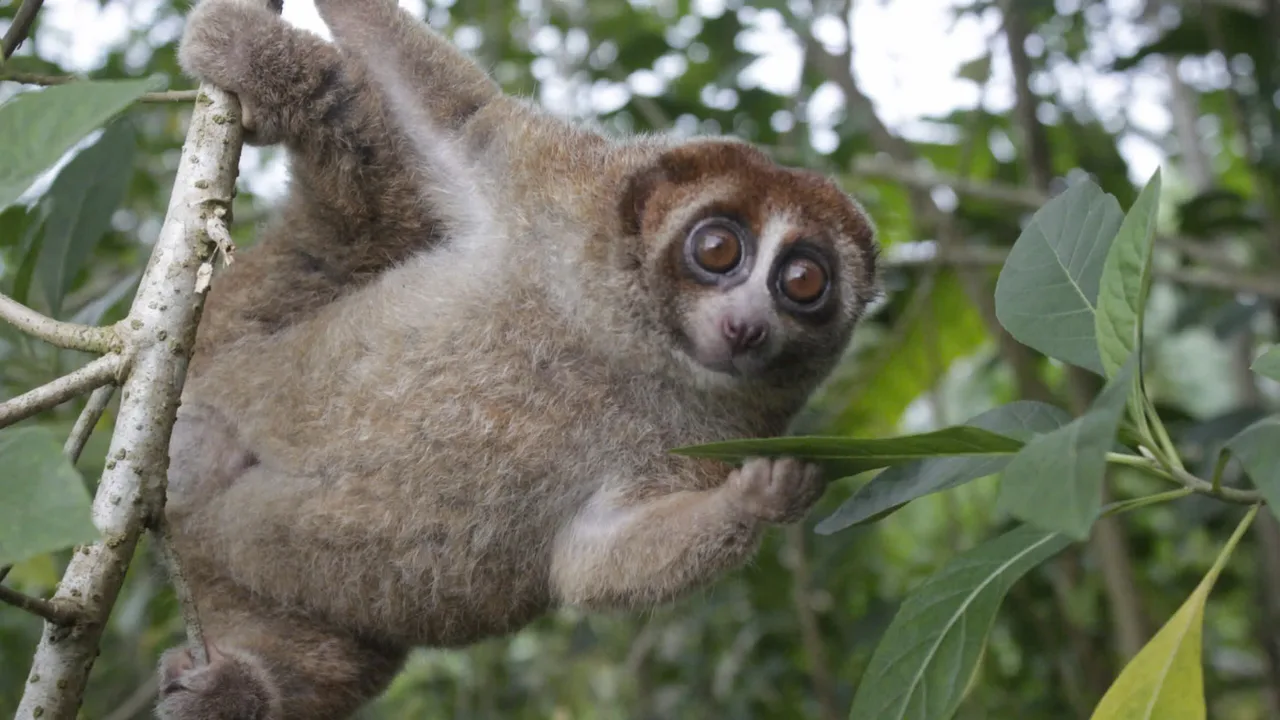
The existence of the Bangka slow loris, which lives on the Indonesian island of Bangka and has not been recorded in scientific sources for nearly 90 years, has been confirmed. A local animal rescue center has documented over 90 individuals of this primate between 2015 and 2025. This was reported in a new scientific study.
The study data was collected by experts from the Alobi Wildlife Rescue Center in Indonesia. According to the report, the Bangka slow loris was last mentioned in scientific literature in the 1930s and was subsequently classified as a species that might have gone extinct. However, local residents have been encountering these animals and reporting them to the rescue center.
Of the more than 90 rescued animals, 86 were released into seven areas on the island after rehabilitation. Some of them were found in residential areas, gardens, roads, and plantations. This indicates that the primates' natural habitat is shrinking, leading to an increase in conflicts with humans.
The Bangka slow loris is a small, large-eyed, arboreal, and primarily nocturnal primate. Its most unusual feature is its ability to deliver a venomous bite. The animal has special glands near its elbows; it licks the secretion produced by these glands and mixes it with its saliva. As a result, its bite becomes toxic. In humans, this can cause severe pain, swelling, and serious allergic reactions, and in some cases, life-threatening anaphylactic shock.
Scientists emphasize that the future of the species is in serious danger. On Bangka Island, illegal tin mining, land clearing for palm oil plantations, and deforestation are shrinking the animals' natural habitat. Power lines, roads, and the illegal wildlife trade also pose threats to them.
Experts stress the need for further research to determine the population size and distribution of the primates, as well as the importance of protecting the remaining forests. It is currently unclear how many Bangka slow lorises remain on the island.


Comments 0
…