Bread successfully baked using yeast found on a 5,300-year-old mummy
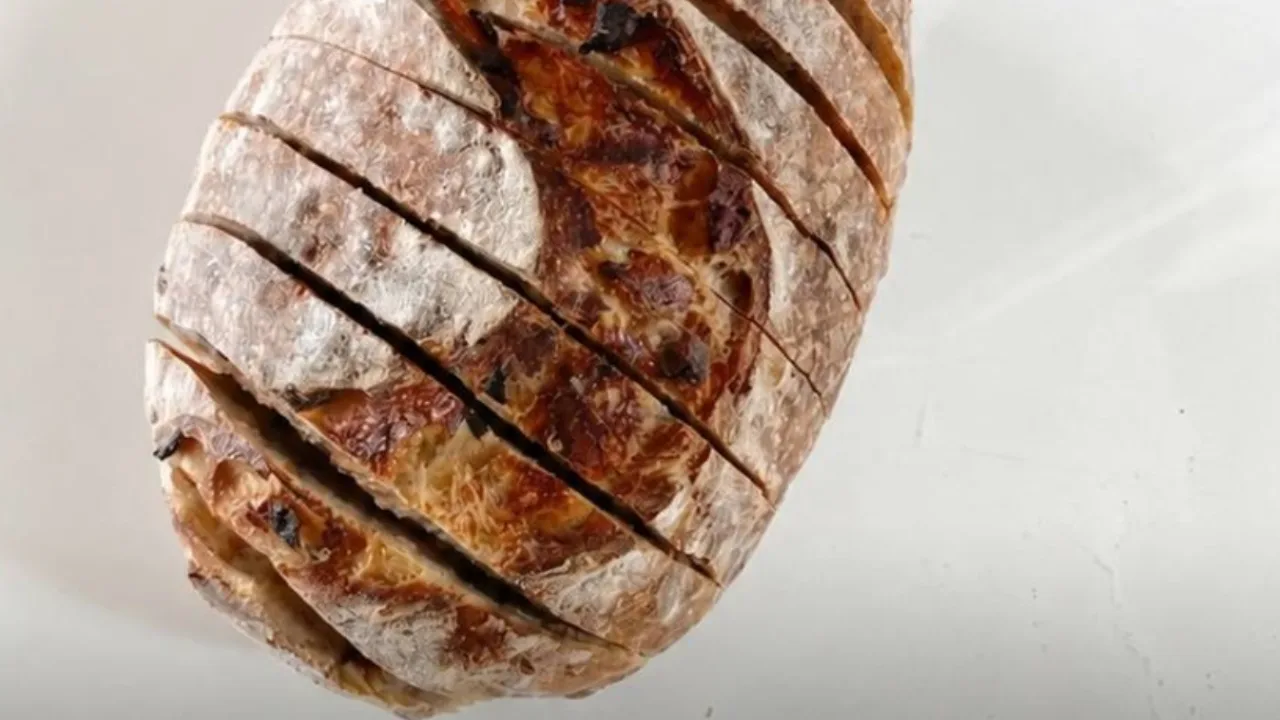
Ötzi, the "Iceman" who lived in the Alps approximately 5,300 years ago and was naturally preserved in the glaciers, has once again caught the attention of scientists. This time, researchers have succeeded in baking sourdough bread using microorganisms found on his mummified body.
Ötzi lived around 3300 BC. His body was discovered in 1991 in the Ötztal Alps near the border of Italy and Austria. As one of the most famous ancient mummies in Europe, this discovery has been the basis for various scientific studies for decades.
Recently, scientists at the Eurac Research center in Bolzano, Italy, studied Ötzi's microorganisms. The researchers examined samples taken from his skin and internal organs, as well as fluids resulting from the melting of the ice. As a result, several yeast strains adapted to cold environments were identified.
Scientists attempted to cultivate these microorganisms in a laboratory setting to create a sourdough starter. Initially, the expected result was not achieved: the yeast could not adapt to the flour-based environment. Subsequently, the researchers refreshed it regularly over several months, gradually adapting it.
Finally, the experiment was successful: the prepared dough rose in about 24 hours. The scientists even baked sourdough bread from it. One of the project participants, microbiologist Mohammad Sarhan, while evaluating the initial result positively, noted that the quality of the bread could be further improved.
The researchers are also focusing on another important aspect: it is possible that the discovered yeast strains were not microorganisms present in Ötzi's body while he was alive, but rather entered his body from the glacial environment after his death. Genetic analyses point to their very ancient origin.

No ads with a subscription
Zamin Premium — 4 900 UZS a month


Related news


Comments0
…