


Russian expert: Russia can live without Uzbeks, but can Uzbekistan live without Russia?
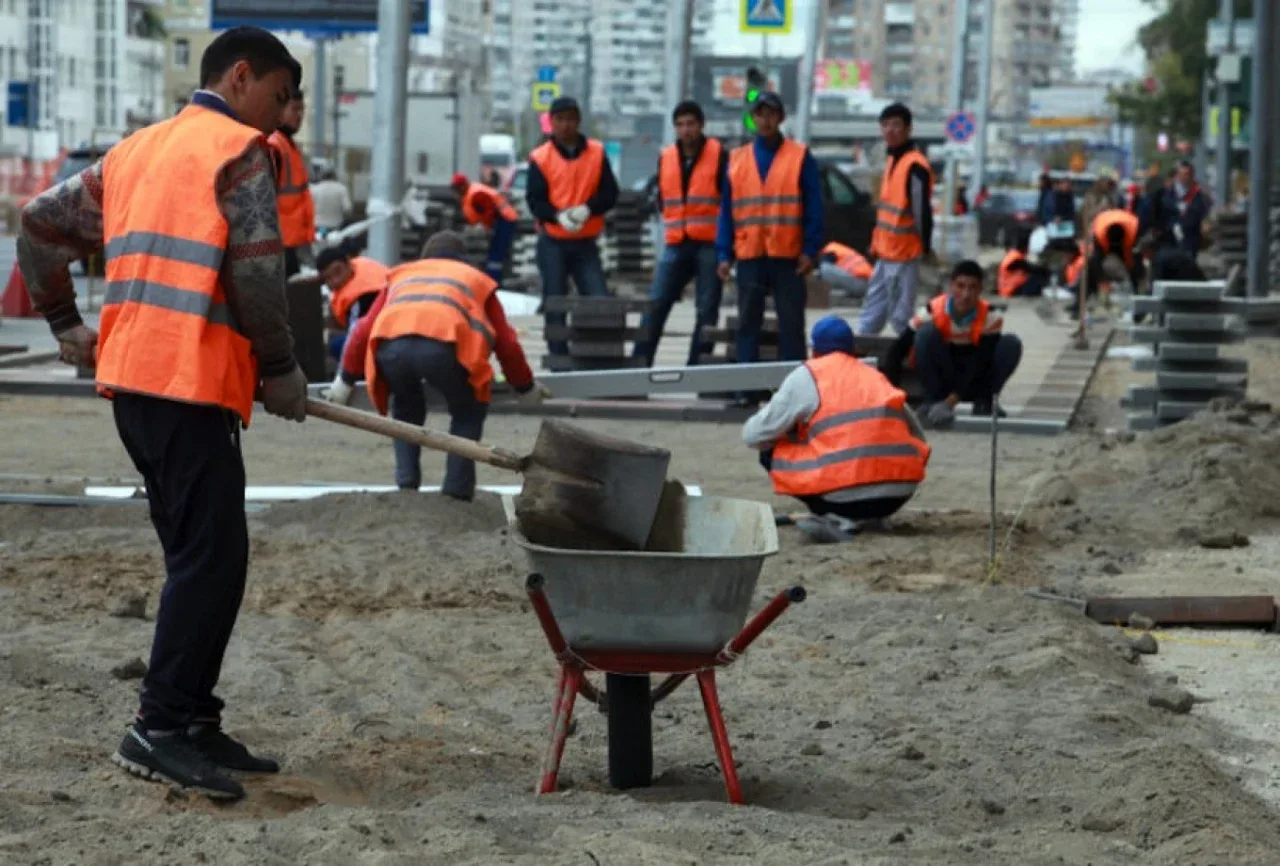
Nikita Mendkovich, head of the Eurasian Analytical Club, has published an analysis dedicated to Uzbekistan's demographic growth, the potential of its domestic labor market, and the prospects of external labor migration. In it, the specialist shared his views on the significance of economic and labor relations with the Russian Federation amid the growing workforce in Uzbekistan.
The figures cited in the article, particularly regarding limited Western quotas and difficulties in diversifying migration, are causing various debates among analysts.
Demographic pressure: Can the domestic market provide enough jobs?
The expert touched upon the ratio of annual demographic growth and new jobs in Uzbekistan:
Youth entering the market: Mendkovich notes that about 600,000 young people enter the country's labor market every year, and by 2030 this figure is expected to reach 1 million annually;
Internal capabilities: Relying on data from the Ministry of Investment and Foreign Trade, the expert notes that around 290,000 new jobs are created in the republic annually, while the rest face employment difficulties;
Water and climate factor: The author predicts that due to water resource shortages in the region, maintaining jobs in agriculture will also become increasingly complicated.
Why Western destinations are not becoming a solution
Recent efforts to shift migration flows to developed countries in Europe and Asia were mathematically analyzed by the expert:
European quotas are very small: While Great Britain's seasonal agricultural quota amounts to only 10–12 thousand seats per year, South Korea and Japan receive a total of 6–7 thousand workers annually;
Language barrier and skill requirements: Working in the markets of Germany and the European Union requires a B1/B2 language certificate and professional qualifications, which remains a serious obstacle for most young people coming from the regions;
5–7 percent coverage: According to the expert, new alternative destinations can cover only 5–7 percent of the annual labor flow, while the main flow is still forced to remain in the traditional market.
Russian market: Figures and the role of the parties
According to the report, the Russian direction still occupies the main share in current external labor migration indicators:
Financial flow: More than 70 percent of remittances sent to Uzbekistan by labor migrants come precisely from Russia;
Vacancies: Nearly 85 percent of available foreign job offers are provided by Russian enterprises;
Moscow's choice of alternatives: In the expert's opinion, the Russian market is also considering alternative ways through automation (robotics) and attracting labor from other countries (such as India), making the competitiveness of migrants an important factor.
Expert proposals and political demands
Nikita Mendkovich put forward that in order for Uzbekistan to maintain its position in the Russian market, it needs to deepen the teaching of the Russian language in schools, organize legislative courses, and accelerate integration processes (specifically, joining the EAEU).
However, such a one-sided and firm position of the expert is causing numerous discussions on social networks from the perspective of the country's national interests and economic independence. Economists emphasize that despite such threatening conclusions, Uzbekistan has the potential to independently solve its problems by developing domestic industry, modernizing vocational education, and diversifying the economy.



Comments 0
…