


30 foods that may help improve sleep
Dietary habits and the foods consumed throughout the day can affect the quality of nighttime sleep. Some products contain melatonin, tryptophan, magnesium, and other substances. These participate in the body's processes of regulating the sleep-wake cycle. Almonds, kiwis, milk, fish, walnuts, and cherries are among such products, reports the MSN website.
Melatonin plays an important role in sleep-related processes. This hormone, produced by the body itself, is involved in regulating sleep and wake times. Tryptophan is an amino acid that participates in the formation of serotonin and melatonin. Magnesium is also essential for muscle and nervous system function. Consuming foods containing these substances in moderation can support sleep quality. However, no single product is guaranteed to cure insomnia.
Among the foods that may be beneficial for sleep are the following:
• Almonds and pistachios. They contain magnesium, and pistachios also contain vitamin B6 and melatonin. Nuts can be consumed in small quantities as a light evening snack.
• Kiwi and cherries. Kiwi contains vitamins C and K. Some studies have linked eating kiwi before bed to improved sleep indicators. Cherries contain melatonin, but further research is needed regarding their effect on sleep.
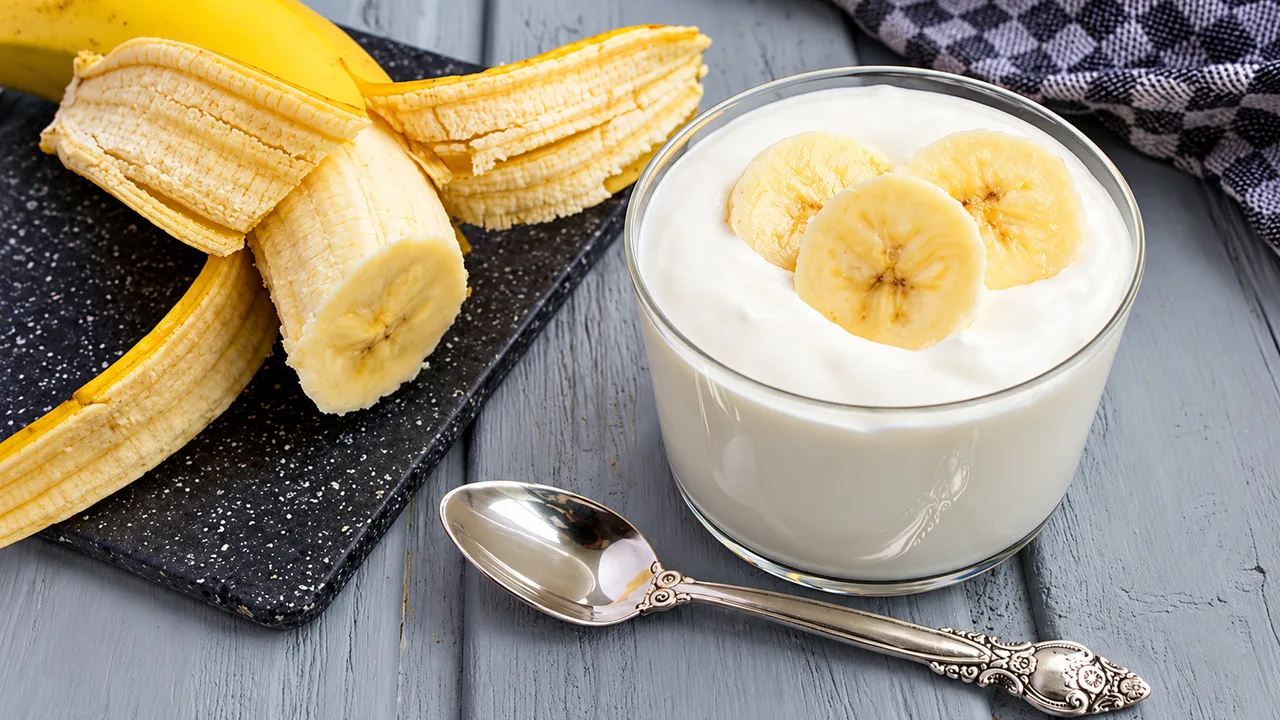
• Bananas and sweet potatoes. These products are sources of potassium and magnesium. These minerals are important for muscle function.
• Milk, yogurt, and cottage cheese. Dairy products contain protein, calcium, and tryptophan. Including them in your daily diet helps provide the body with essential nutrients.
• Fatty fish. Fish such as salmon, trout, tuna, and mackerel contain omega-3 fatty acids and vitamin D. They are beneficial for overall health and may also play a role in sleep-related processes.
• Cereals and grains. Oatmeal, whole-grain bread, and other grain products are sources of fiber and carbohydrates. They can be part of a balanced diet.
• Chickpeas and soy products. Hummus, tofu, and other legumes contain protein as well as various vitamins and minerals.
• Chamomile and passionflower tea. Some people choose these drinks to relax before bed. However, their effect on sleep is not the same for everyone.
• Figs, honey, watermelon, and pineapple. These products are also mentioned in sleep recommendations. However, scientific evidence that they directly improve sleep is limited.
• Nut butter and dark chocolate. Nut butter is a source of protein and healthy fats. Dark chocolate contains magnesium, but it may also contain caffeine. Therefore, consuming it in large quantities in the evening may make it difficult for some people to fall asleep.
• Greens and lettuce. Certain types of cabbage, spinach, and other green vegetables contain minerals and vitamins. They are an important part of a healthy diet.
• Turkey meat. It is a source of protein and tryptophan and, like other poultry, can be included in a balanced diet.
• White rice and pretzels. These products are rich in carbohydrates. However, because they may have a high glycemic index, it is not appropriate to consider them as a specific remedy for improving sleep.
• Barley grass powder and goji juice. They are also listed among sleep-related products. However, evidence regarding the effects of such products is limited, so they should not be considered a method for treating insomnia.
Along with the type of food, when it is consumed is also important. Eating too much, or consuming fatty or spicy foods before bed can cause digestive discomfort. Caffeine in coffee, strong tea, and energy drinks is also likely to interfere with sleep. Experts recommend finishing your main meal about two to three hours before bedtime.
Therefore, rather than relying on one specific product for a good night's sleep, it is better to maintain a balanced diet, eat dinner at the right time, and follow a regular sleep schedule. If sleep problems persist, one should consult a doctor instead of trying to solve them only by changing their diet.



Comments 0
…