


Serious warning from the UN: Fergana Valley among the "highly vulnerable" seismic regions
Earthquakes remain the leading cause of death among all natural disasters. In a new article published by the UN, Central Asia, and specifically certain regions of Uzbekistan, have been included in a very high seismic risk zone alongside South Caucasus countries.
Zamin.uz presents this alarming statement and the conclusions of international scientists.
The disaster causing the most deaths
Figures from the last quarter-century show how serious the situation is. According to UN data, in the period from 2000 to 2023, more than half of all deaths resulting from natural disasters were caused by earthquakes. Today, millions of people in Europe and neighboring regions continue to live in old or substandard buildings that cannot withstand strong tremors and continue to receive medical care in such facilities.
Central Asia and the Fergana Valley at risk
The Europe and Central Asia region is home to two of the world's largest seismic belts, and the level of risk is distributed geographically as follows:
Extremely high-risk areas: Almost the entire territory of Kyrgyzstan and Tajikistan.
High-risk districts: Certain regions of Kazakhstan, Turkmenistan, and Uzbekistan (alongside South Caucasus states).
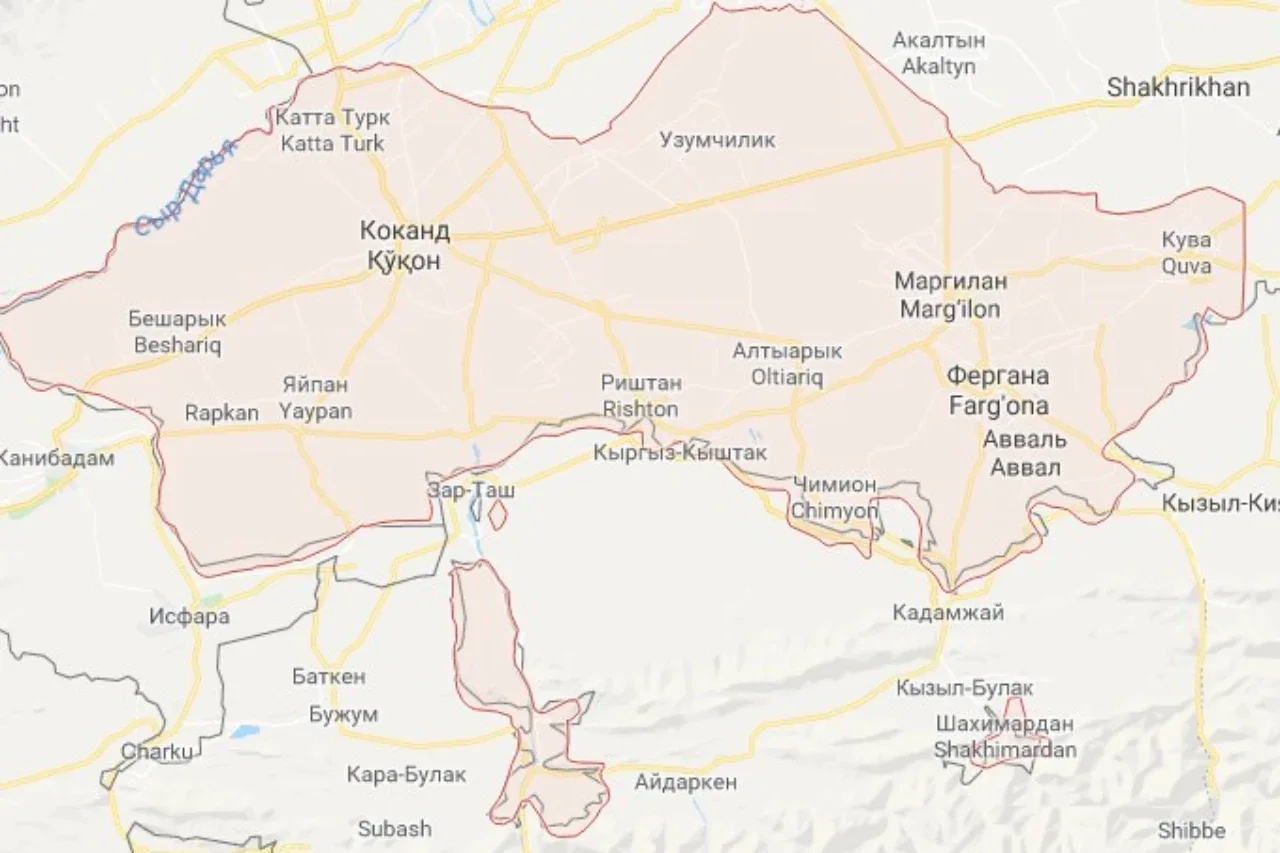
Fergana Valley — "highly vulnerable" zone: The Fergana Valley, which simultaneously covers the territory of three countries — Uzbekistan, Kyrgyzstan, and Tajikistan — and is home to nearly 11 million people, has been specifically identified as the most seismically vulnerable and dangerous point.
A 60 percent threat to Istanbul
Another point of major concern in the region is the city of Istanbul, Turkey. This metropolis, home to more than 15 million people, is located on the North Anatolian Fault, one of the most active in the world.
Scientists' forecast: According to 2025 studies, a section of the fault capable of triggering a destructive earthquake of approximately magnitude 7 has been identified under the Sea of Marmara. The probability of such a catastrophic event occurring in the Istanbul area in the coming decades is estimated at 40 to 60 percent.
Saving hospitals: Preparation is cheaper than restoration
The devastating earthquakes in Turkey and Syria in 2023 provided a key lesson: if hospitals do not collapse and continue to operate in the first minutes after a disaster, they save thousands of lives. If medical facilities fail, victims are left without vital assistance.
WHO experts have calculated that making medical infrastructure earthquake-resistant is much cheaper than dealing with the aftermath of a disaster:
When building a new hospital: Considering seismic resistance requirements increases the total project cost by less than 4 percent.
Modernizing existing buildings: Strengthening old medical facility buildings requires only about 1 percent of their total value. This significantly increases the likelihood of them remaining intact after an earthquake.
UN experts emphasize that instead of waiting for the next natural disaster to occur, it is necessary to strengthen medical infrastructure, keep emergency medical teams in a state of constant readiness, conduct regular training exercises, and create a system to protect the most vulnerable segments of the population — the elderly and persons with disabilities — starting now.



Comments 0
…