The Coldest Classroom on Earth: Why Javokhirbek Azizov Believes Antarctica Can Shape Better Leaders
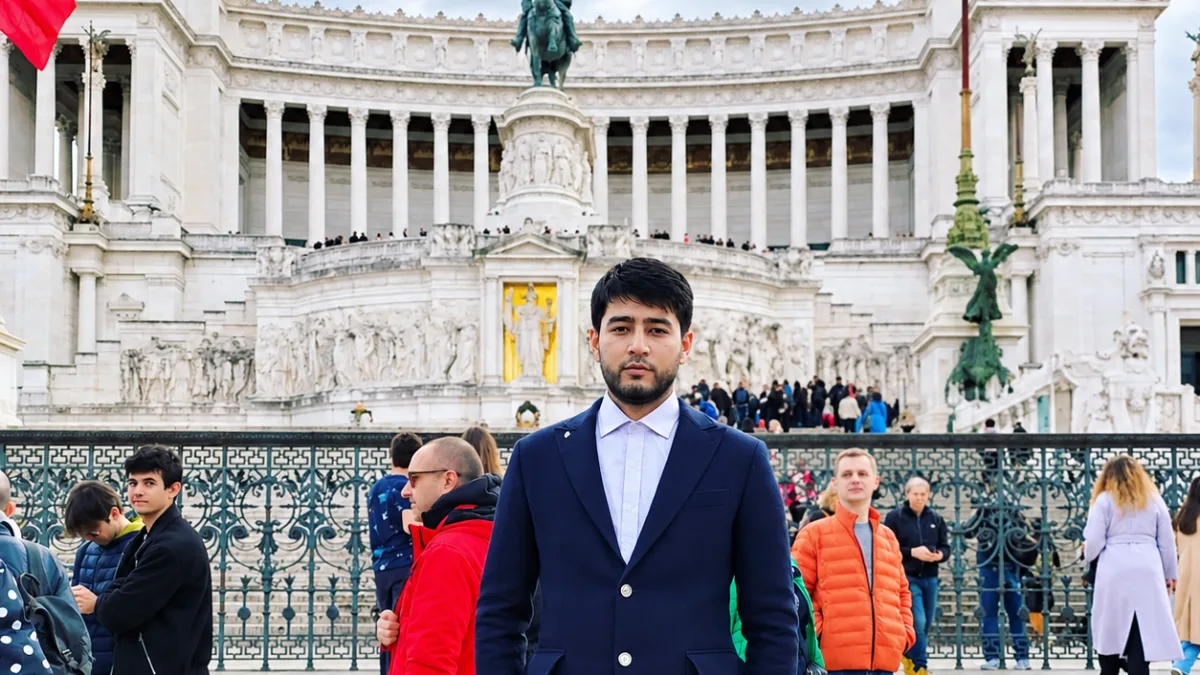
In 1915, the pack ice of the Weddell Sea slowly crushed Ernest Shackleton's ship, Endurance. Twenty-eight men were left stranded on the ice, thousands of kilometers from help, with no way to call for rescue. Almost two years later, every one of them came home alive.
More than a century on, the Endurance story is still told in business schools as a lesson in leadership under pressure: how to keep a team together when every plan has failed and every decision matters.
Javokhirbek Azizov, Founder and CEO of the New York travel company MAF Travel Services LLC, takes that lesson a step further. What if leaders could learn in the same environment, in a safe and structured way, without needing a shipwreck to do it?
The Most Demanding Destination on Earth
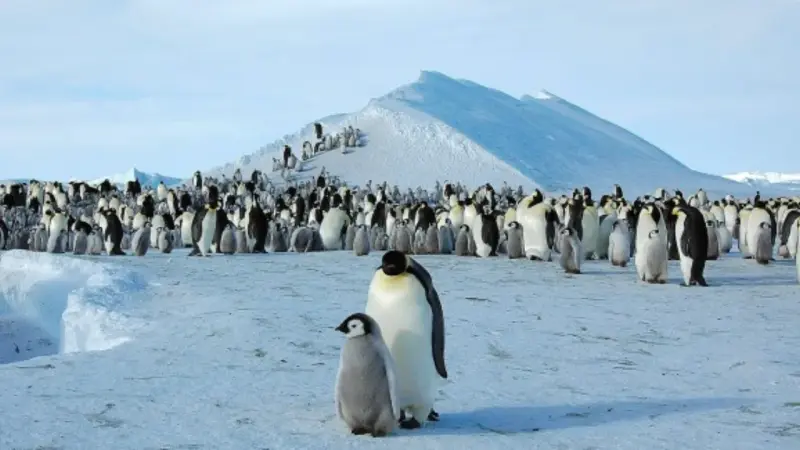
Antarctica has no permanent population, no cities and no airports for regular flights. It is also the coldest, windiest and driest continent on the planet. Yet it is no longer reserved for scientists. Each season now brings more than 100,000 visitors, most of them arriving by ship on the Antarctic Peninsula after setting out from southern Argentina or Chile.
The season runs through the southern summer, which means that as this article goes to press, expedition ships are once again heading south. Every visit follows strict rules set under the Antarctic Treaty System and by the International Association of Antarctica Tour Operators, from how many people may go ashore at one time to how close they may approach wildlife.
For most travelers, Antarctica is the trip of a lifetime. For Azizov, it is also a classroom.
An Idea Born from Everyday Business
Azizov did not arrive at this idea as a polar explorer. He arrived at it as an entrepreneur who has spent fifteen years making decisions with incomplete information.
He started his first business in Bukhara, Uzbekistan, at the age of 16, then went on to co-found a restaurant and a hotel. In the United States, besides MAFTRAVEL, he runs MAF EXPRESSS INC, an interstate freight company in Philadelphia, where a single delay can reshuffle an entire week of deliveries. Each of these businesses taught the same lesson: plans rarely survive contact with reality, and the quality of a leader shows in how they respond.
That question became the starting point for his research.
Inside ALEF: Five Building Blocks
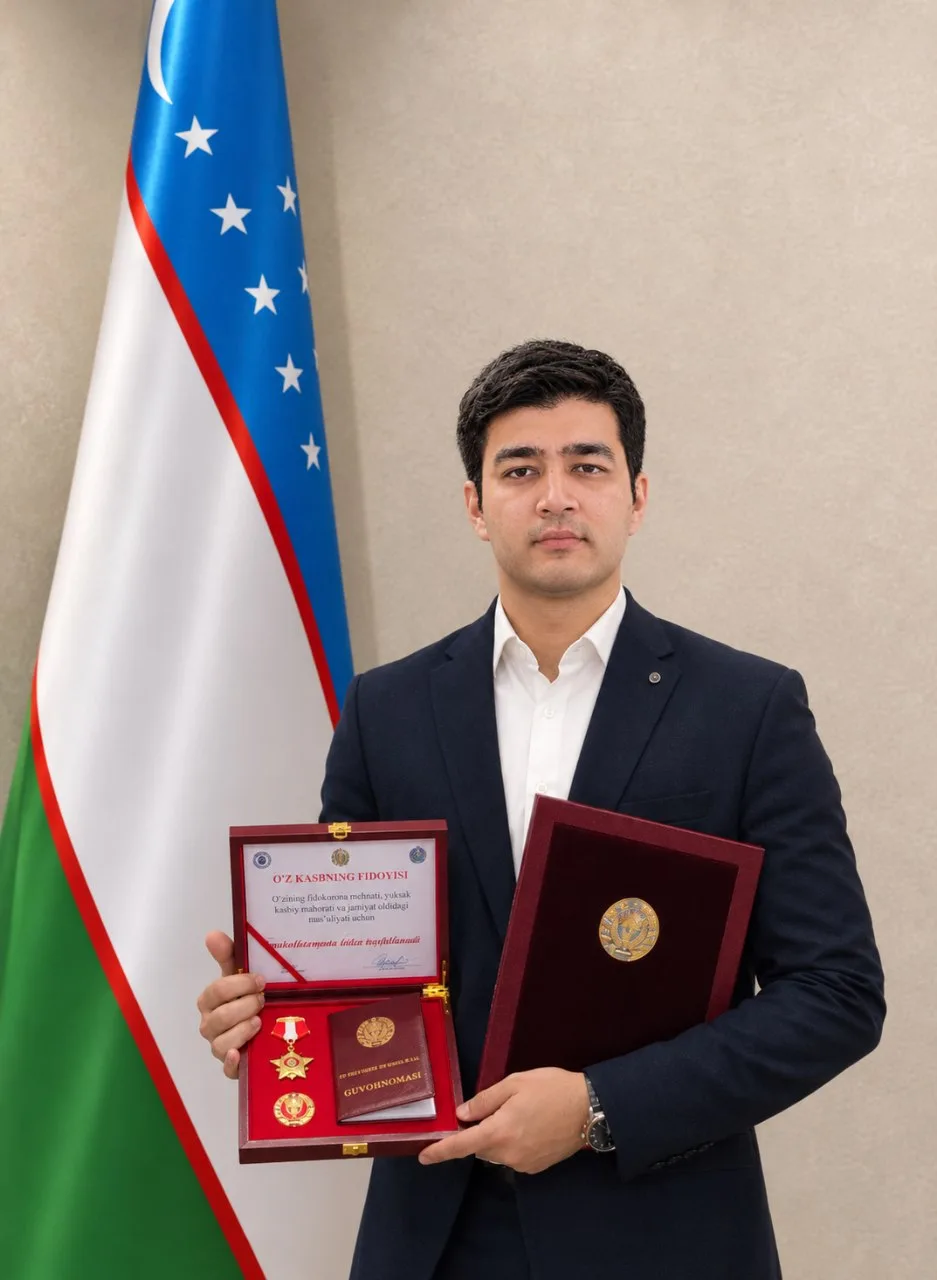
Azizov set out his thinking in the Antarctic Leadership Expedition Framework (ALEF), a 45-page conceptual paper written in October 2025 and posted on the SSRN research platform on April 10, 2026.
ALEF proposes using expedition conditions as a setting for executive development. It is built around five components:
- Experiential leadership training: learning by doing in a real, demanding environment rather than in a seminar room.
- Uncertainty-based operational planning: making plans that expect change, in a place where weather can rewrite a schedule in an hour.
- Cognitive response to environmental variability: understanding how leaders think when conditions keep shifting.
- Operational stress adaptation: learning to stay clear-headed under cold, fatigue and pressure.
- Performance-based executive coordination: measuring how well a team works together when the stakes are real.
Together, these components connect leadership psychology, executive decision-making, entrepreneurial resilience, teamwork and strategic thinking with the experience of the journey itself.
A Concept on the Drawing Board
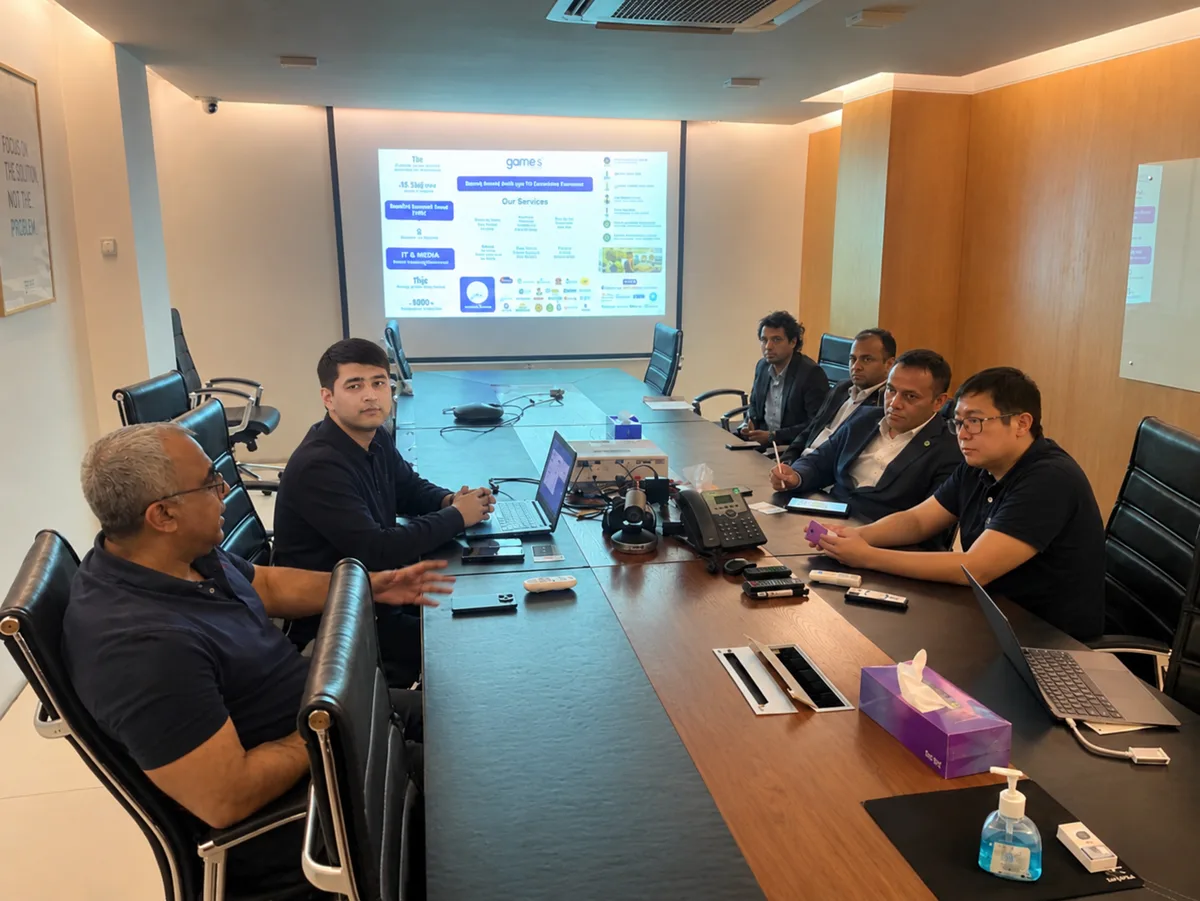
ALEF is a research concept, not yet a training program. The paper describes what such a program could look like; turning it into practice would require pilot programs, careful evaluation and independent validation.
Azizov is continuing this work through the Azizov Extreme Leadership Lab, a developing research initiative focused on leadership behavior and decision-making in complex operational environments.
What It Could Mean for Travelers
Antarctica is also one of MAFTRAVEL's most distinctive directions. Through its platform at maftravel.com, the company is exploring Antarctic expedition planning as a specialized service.
The ideas under development range from premium expedition cruises and polar wildlife observation to educational journeys and leadership-focused programs for executives. The company intends to work with experienced expedition operators and relevant international organizations, with responsible polar tourism as a guiding principle. These are future directions rather than services already on sale.
Two Research Paths, One Vision
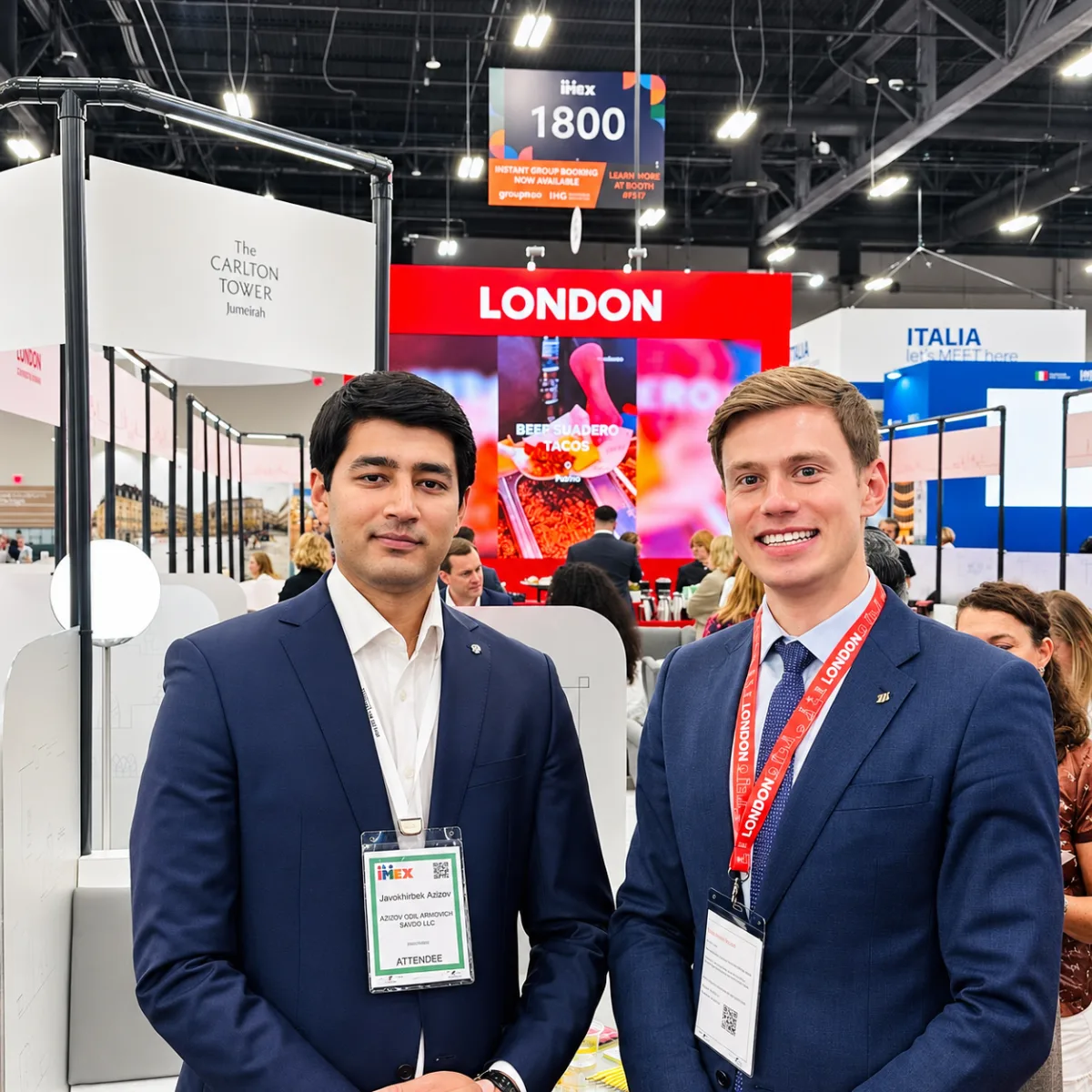
ALEF is the second pillar of Azizov's research. The first, published in April 2026, examines how artificial intelligence can automate travel planning and build personalized itineraries.
At first glance, AI and Antarctica seem worlds apart. In Azizov's vision, they work together: technology makes a journey easier to plan, while the journey itself can become deeper and more meaningful.
Shackleton's men survived because their leader kept making good decisions long after the plan had run out. Azizov's bet is that tomorrow's leaders can learn that lesson at the edge of the map, without losing a ship to do it.
Next story

No ads with a subscription
Zamin Premium — 4 900 UZS a month


Related news


Comments0
…