


NASA and Microchip are developing a high-performance processor for space missions
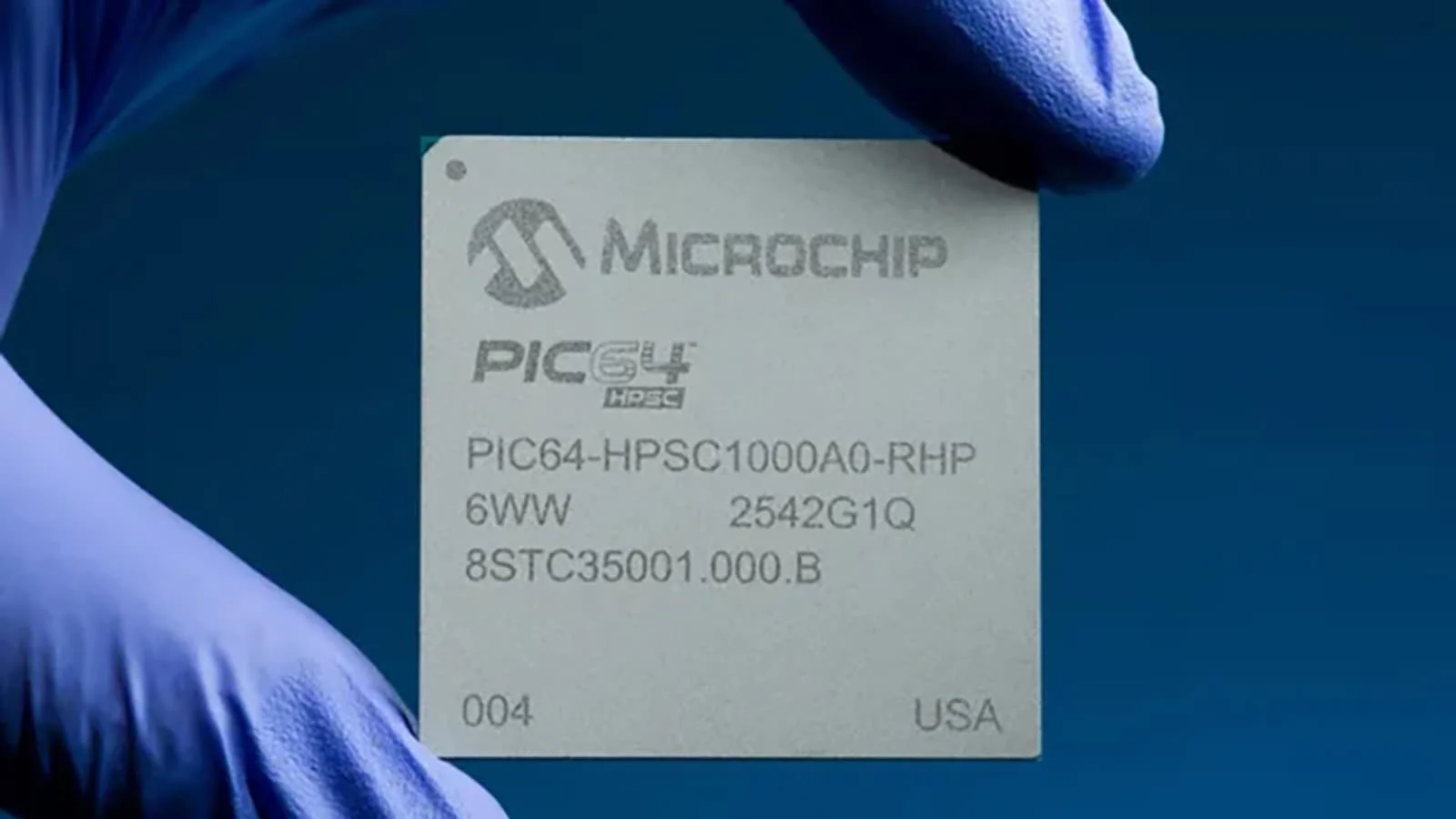
NASA and Microchip Technology have launched a project to develop a next-generation space processor called High-Performance Spaceflight Computing (HPSC). This technology will become the primary computing platform for future satellites, interplanetary stations, and missions to the Moon and Mars. The project's main goal is to create a system-on-a-chip with 100 times the performance of systems currently used in spacecraft. This is reported by Ixbt.com reports .
The new platform is being developed in two variants. The first is radiation-hardened, designed for deep space, lunar programs, and Mars flights. The second modification is intended for commercial satellites in low Earth orbit, where energy efficiency and cost are priorities. The HPSC architecture integrates computing and networking functions onto a single chip, simplifying spacecraft design.
Thanks to the modular architecture, it is possible to power down certain blocks of the device to save energy. This is crucial for long-term autonomous missions. Additionally, multiple HPSC chips can be connected via Advanced Ethernet to create a true onboard supercomputer. This allows spacecraft to make independent decisions and analyze data without constant communication with Earth.
NASA expects these technologies to be widely used not only in space but also in terrestrial sectors. HPSC processors could eventually find their place in unmanned aerial vehicles, energy, telecommunications, medical equipment, and artificial intelligence systems. Thus, the project becomes a dual-use technological platform transitioning from the space industry to consumer electronics.



Comments 0
…