


NASA has launched an effort to save the telescope falling toward Earth
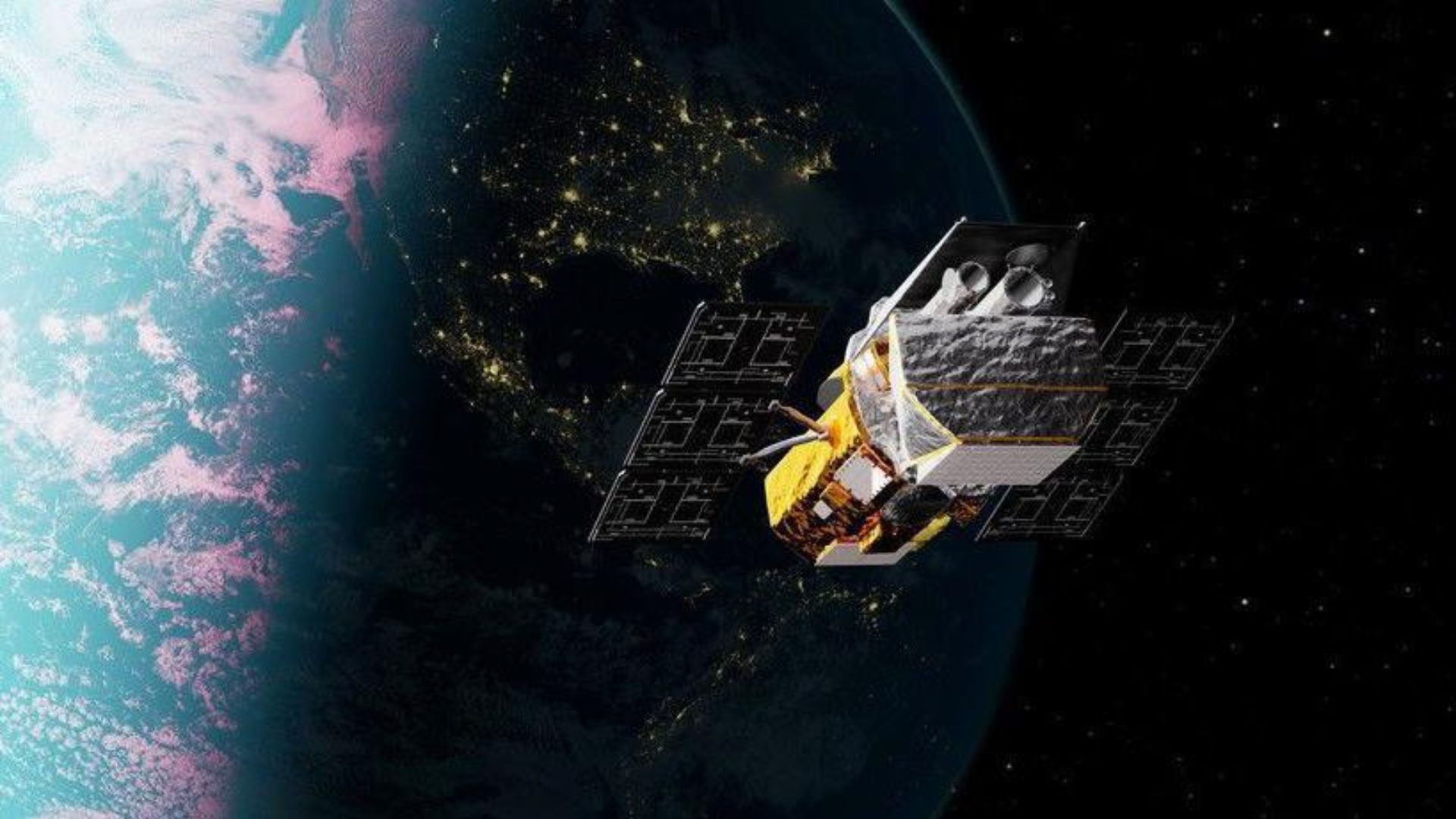
A special spacecraft funded by NASA has been launched into space to rescue the Swift space telescope, which is gradually approaching Earth. This mission is being carried out for the first time in space history, and experts describe it as a high-risk but critically important operation.
The Swift telescope was launched in 2004 to observe the most powerful explosions in the universe — gamma-ray bursts and other high-energy cosmic phenomena. However, in recent years, increased solar activity has caused Earth's atmosphere to expand, affecting the telescope's orbit. As a result, it has slowed down and descended from its previous altitude of 600 kilometers to approximately 360 kilometers.
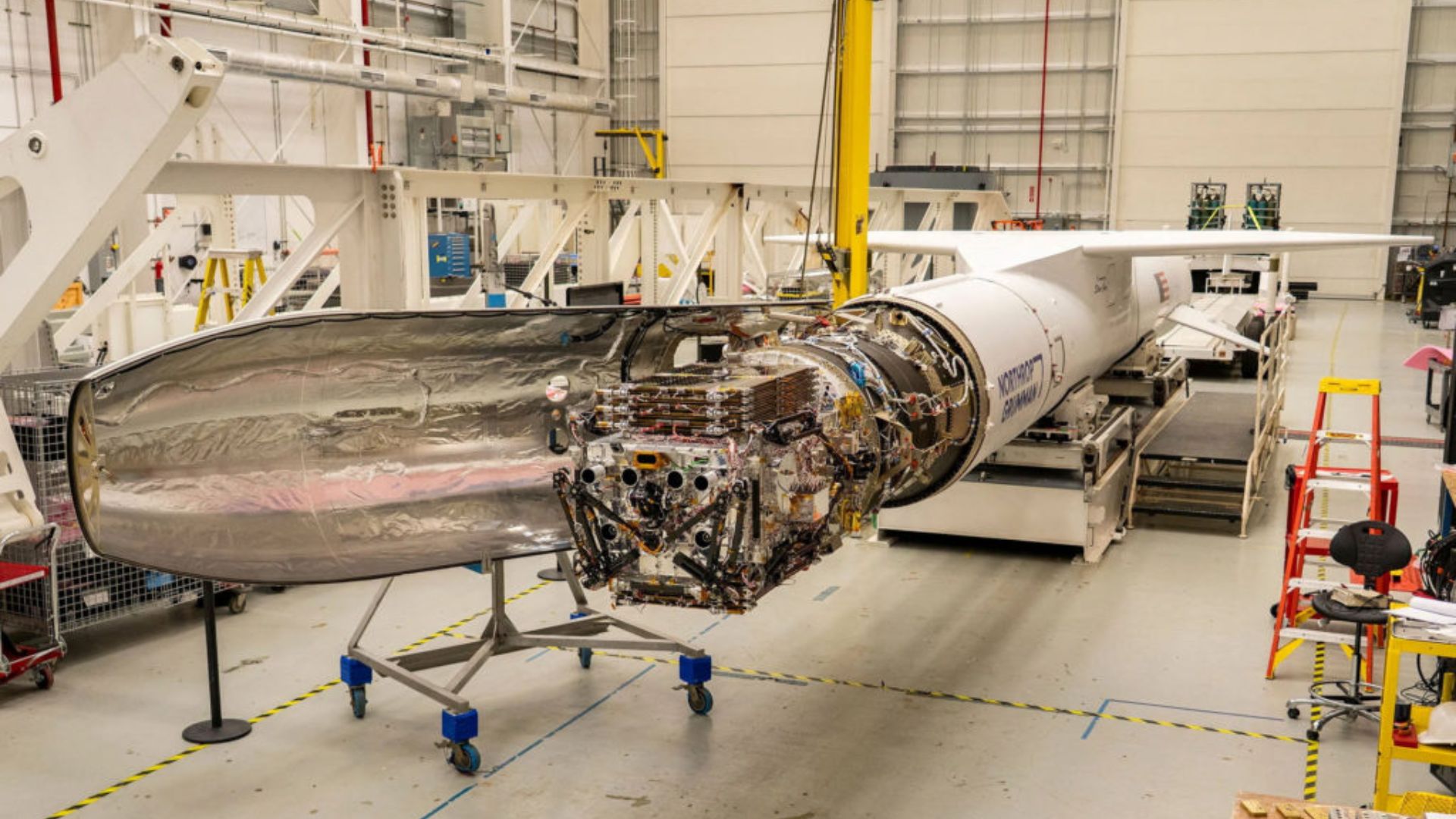
Experts emphasize that if the telescope's orbit drops below 300 kilometers, saving it will be nearly impossible. For this reason, NASA has launched an urgent rescue operation.
The mission will be carried out by a robotic spacecraft named LINK, developed by the U.S. company Katalyst Space Technologies. Equipped with three robotic arms, this device will carefully approach the telescope, firmly grasp it, and then use its thrusters to raise it to a safer, higher orbit.
Experts stress that the operation is extremely complex. Since Swift is a moving object and its orbit is constantly changing, LINK will first take comprehensive images of the telescope, identify the safest grasping point, and only then attempt to capture it with its robotic arms.
According to Dr. Simeon Barber, a scientist at the Open University, although this mission involves significant risk, Swift provides unique scientific data for humanity, making it worth saving.
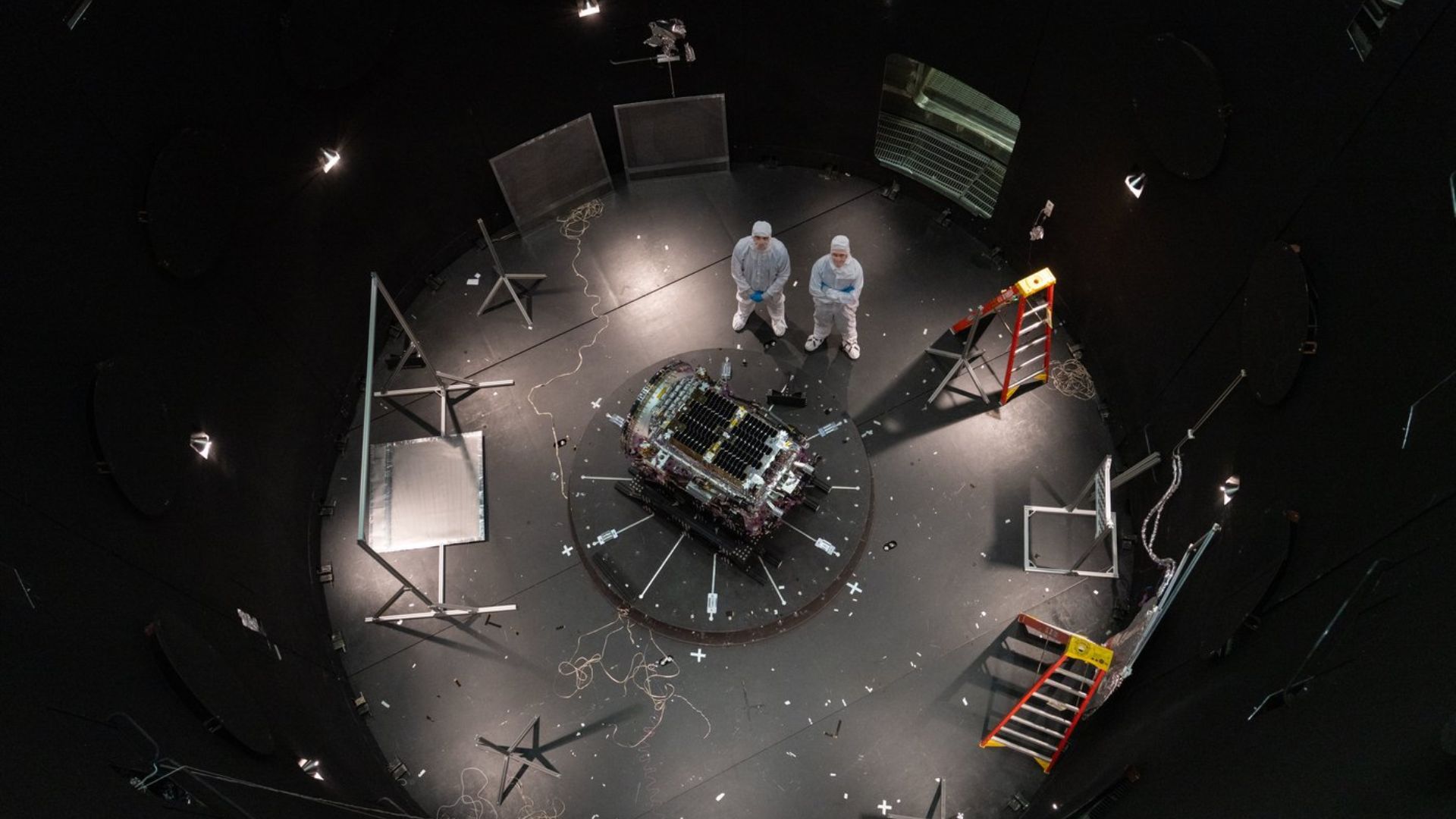
If all stages proceed according to plan, LINK will gradually move the telescope back to a stable orbit of around 600 kilometers over the next two to three months, and it will continue its scientific operations.
Experts believe that if this mission is successfully completed, it could pave the way for rescuing other famous spacecraft in the future, including the Hubble telescope, using a similar method.


Comments 0
…