


A New Chapter in Aviation History: DARPA Successfully Tests F-16 Fighter Jet with AI
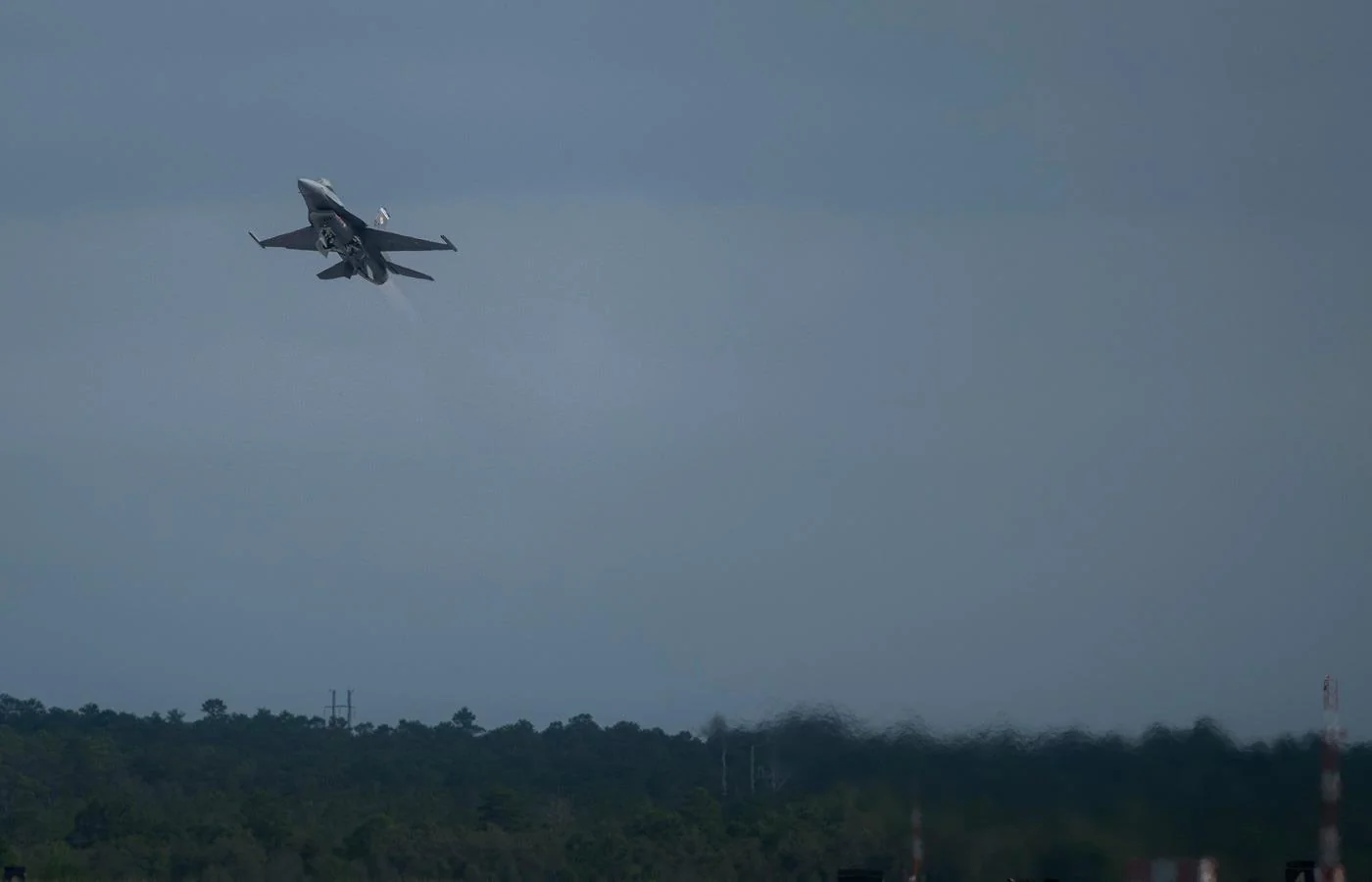
The U.S. Defense Advanced Research Projects Agency (DARPA) and the U.S. Air Force have taken a significant step in modern aviation history. A modernized F-16 fighter jet has successfully completed its first flight under the control of Artificial Intelligence (AI). This test is considered one of the biggest breakthroughs in integrating autonomous control systems into legacy aircraft. This is reported by Ixbt.com reports .
The test process utilized a special technological suite called the Viper Experimentation and Next-generation Operations Model (VENOM). The uniqueness of this system lies in its ability to install AI on board without completely rewriting the F-16's base software. VENOM is capable of not only controlling the flight but also managing various sensors and other onboard systems.
Human-in-the-loop autonomy
During the flight, special attention was paid to safety measures. An experienced pilot performed the takeoff, after which control was fully handed over to the AI. The "human-on-the-loop" principle was applied. Under this scheme, the pilot remains in the cockpit to monitor the system's performance and can intervene if necessary, but is not required to approve every decision made by the AI.DARPA experts note that using a serial F-16 model instead of a specialized experimental aircraft makes it easier to implement the technology on a large scale in the future. This method allows for testing different AI agents, new tactics, and methods of cooperation with unmanned aerial vehicles on multiple fighter jets simultaneously.
The future of combat aviation
The VENOM project is closely linked to DARPA's Artificial Intelligence Reinforcements (AIR) program. In the future, such systems are expected to assist military pilots in remotely controlling entire groups of unmanned aerial vehicles and executing complex combat missions. This will reduce the burden on humans in the highly complex and rapid scenarios of modern air combat.According to ixbt.com, reliability and the system's behavior in unexpected situations remain key issues in integrating AI into aviation. The conducted tests serve to collect essential data needed to transition these technologies from computer simulations to real-world flights. While currently viewed as an AI assistant, it could evolve into a fully autonomous combat unit in the future.


Comments 0
…