


OpenAI concerned about open-source AI models: New debates in the US
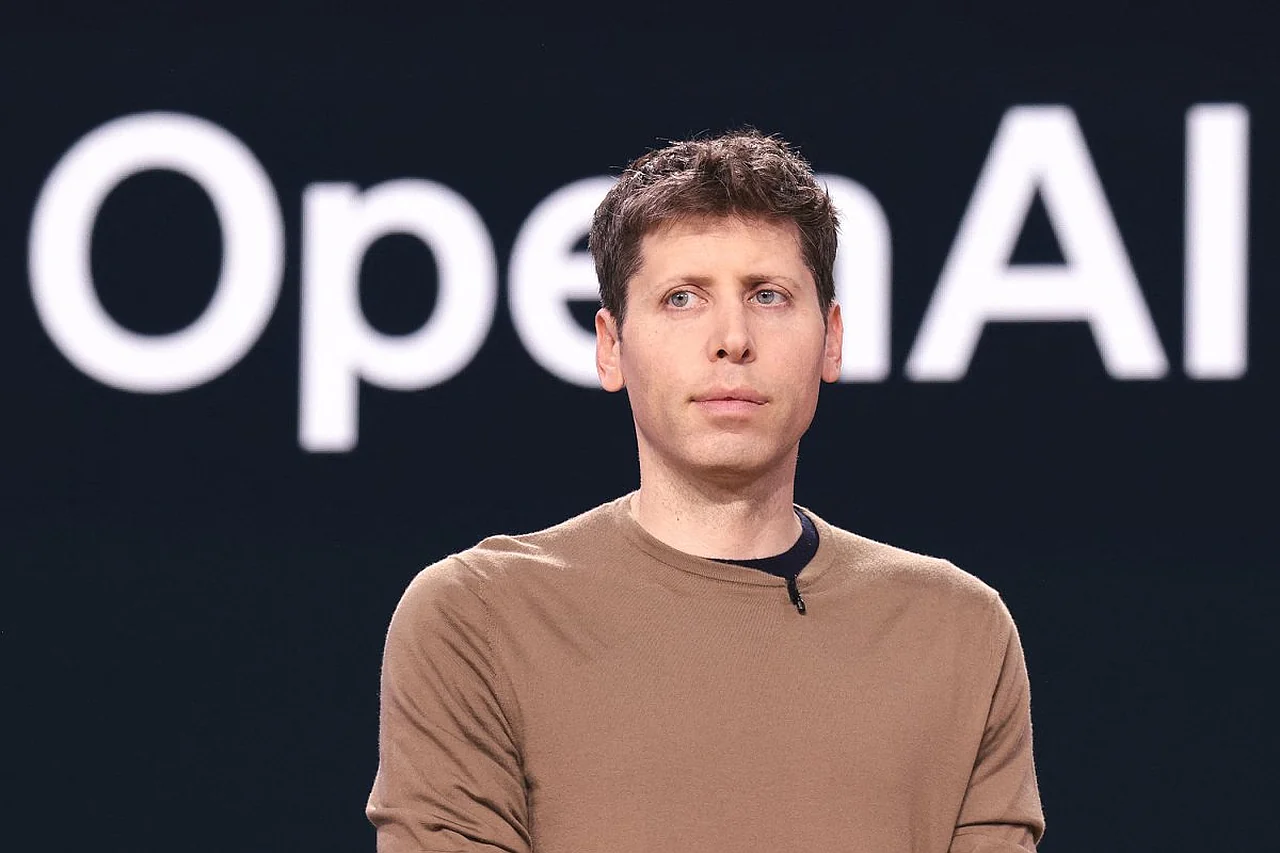
OpenAI, a leader in the world of Artificial Intelligence (AI), is growing increasingly concerned about the rapid development of open-weight models. Following the introduction of the Kimi K3 model by China's Moonshot AI, which is recognized as one of the largest among open-source systems, intense debates have erupted in the US regarding the economic and security implications of these technologies. This is reported by Techcrunch.com reports .
Dean W. Ball, a research fellow focused on strategic futures at OpenAI, noted that open-weight models could diminish the investment appeal of large laboratories. He even called on the US government to strengthen regulatory measures for new models and cast doubt on their safety. However, this stance has faced opposition from tech figures like Yann LeCun and Martin Casado, who argue that open-source software accelerates innovation and can evolve in parallel with proprietary projects.
Economic interests and market competition
According to an analysis by TechCrunch, open-weight models offer cheaper solutions for enterprises and independent infrastructures compared to services from giants like OpenAI or Anthropic. If users start spending more outside of closed laboratories, it could lead to the billions of dollars invested by large companies in model training failing to yield expected returns.Braden Hancock, co-founder of Snorkel AI, stated that powerful open-source models will drive down market prices. While beneficial for users, this significantly reduces the profit margins of companies like OpenAI. Nevertheless, the adoption of AI will not stop; instead, it will become even more widespread.
Security and political pressure
Axios reports that the new US administration is considering a ban on Kimi K3 and other advanced Chinese models at the request of major laboratories. The primary reasons cited include:- Protecting US user data from the Chinese government;
- The possibility of models being aligned with Chinese ideology and interests;
- The absence of safety guardrails in Chinese models that are mandated by the US government.
For now, the US Department of Commerce has stated it will not take immediate action to ban Chinese models. However, the struggle of OpenAI and other major players against open-source systems could disrupt the balance between freedom and commercial interests in the tech world. This process is also important for users in Uzbekistan, as open-weight models allow for the localization and more affordable implementation of AI.


Comments 0
…