


Kreios Space unveils its first air-breathing satellite for very low Earth orbit
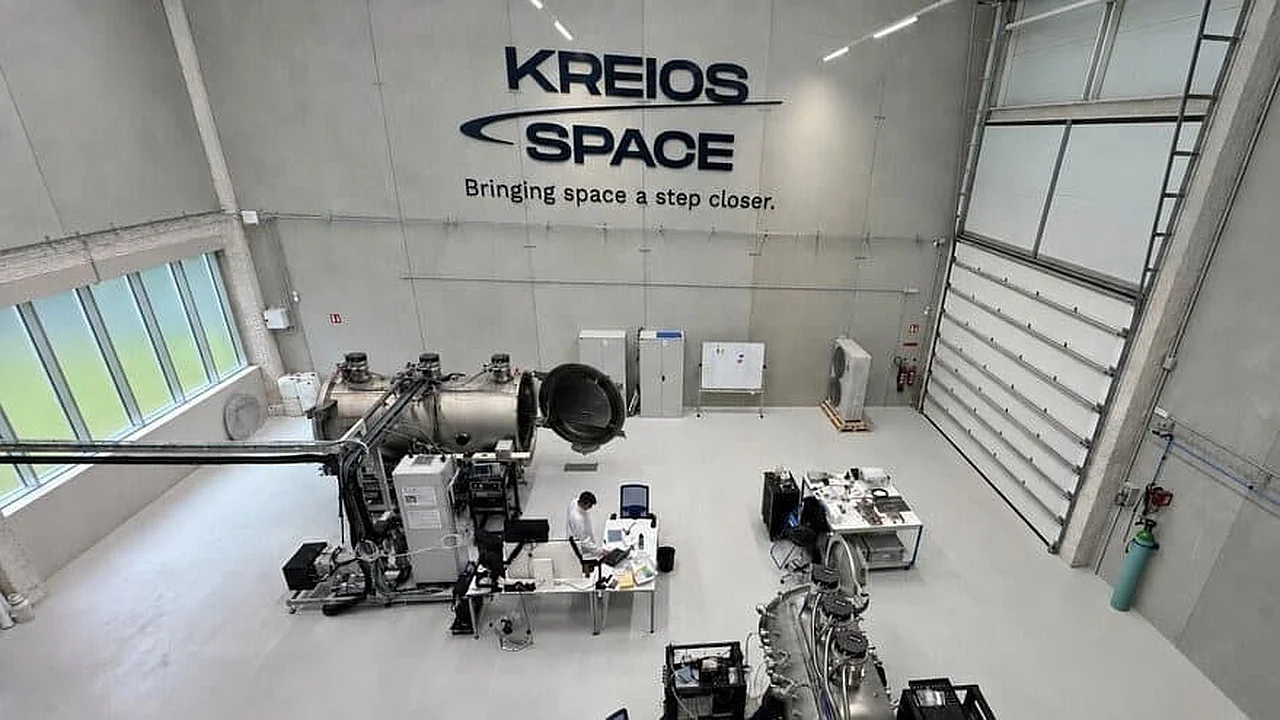
Spanish startup Kreios Space is preparing to test the first satellite powered by an air-breathing electric engine for very low Earth orbit, marking a major step in space technology. According to ixbt.com, the innovative spacecraft is scheduled for launch in 2027 and could transform environmental monitoring and high-resolution imaging. Ixbt.com reports .
The project centers on testing an air-breathing electric propulsion system known as ABEP. This technology will allow spacecraft to operate in very low Earth orbit at an altitude of approximately 200 kilometers. The spacecraft will collect rarefied gases from the upper atmosphere and use them as propellant for its electric engines.
Technical solutions and partnership details
Conventional satellites quickly lose altitude in such low orbits because of atmospheric drag. Their operational lifespan is limited, requiring large fuel reserves or increasing the spacecraft’s weight. The ABEP system developed by Kreios Space is designed to overcome this challenge.The first satellite, launched as a test mission, will be built on Kongsberg NanoAvionics’ NanoAvionics MP42 microsatellite platform. NanoAvionics specialists will adapt the platform to the mission requirements, install the necessary payload, conduct system tests and fully prepare the spacecraft before handing control directly to Kreios Space experts.
Orbital research and future prospects
Several important tasks are planned during the space mission. The satellite will test the ABEP engine’s performance in very low Earth orbit, measure environmental parameters and capture images with a resolution of less than one meter in optical and near-infrared wavelengths.Interest in such very low orbits is growing significantly. This is driven by the ability to obtain more detailed images of Earth’s surface and reduce communication latency. However, the field still requires complex engineering solutions. Alongside Kreios Space, Viridian Space, the European Space Agency’s propulsion laboratories and India’s Orbitt Space are also actively developing these technologies.


Comments 0
…