


Starship rocket system could be launched on a weekly basis starting in 2027
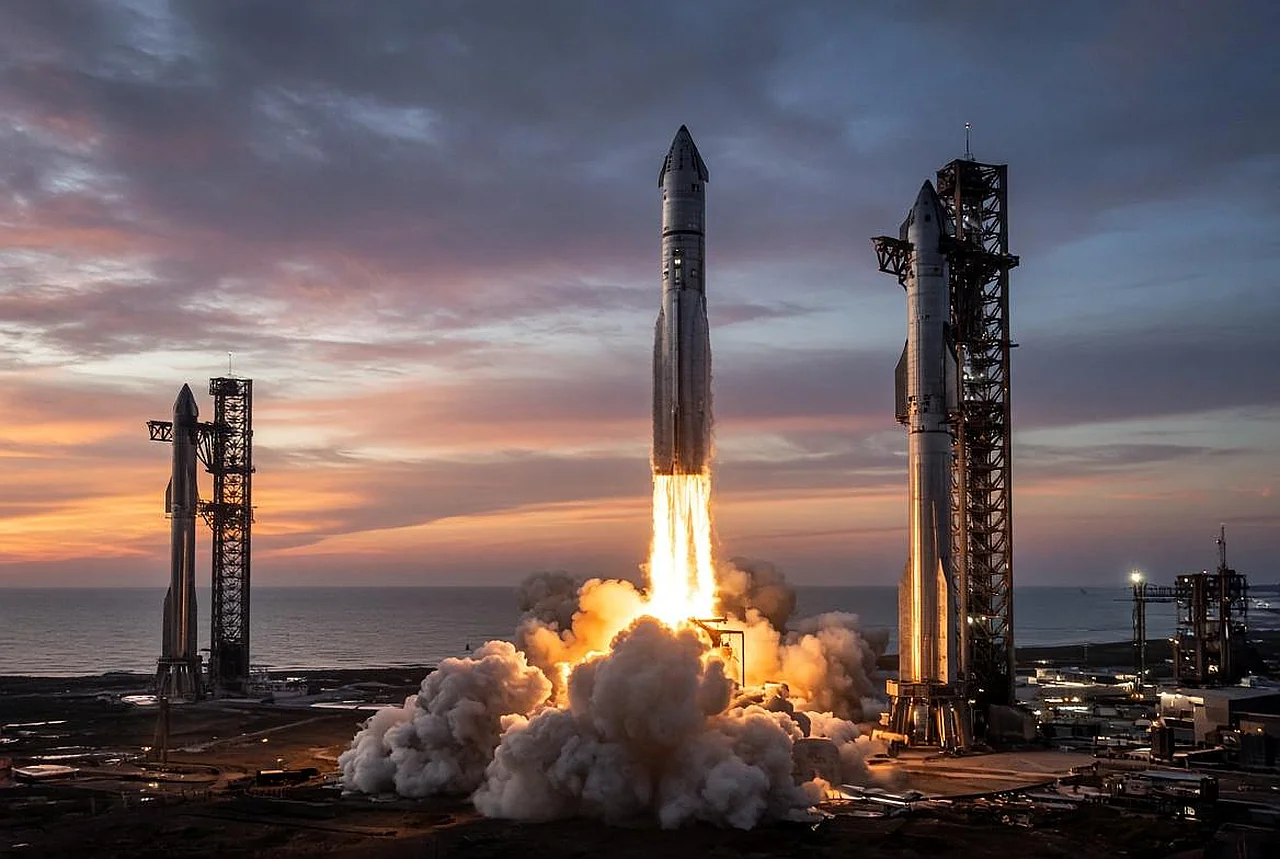
A new era of massive changes is beginning in the aerospace sector. According to ixbt.com, NASA official Jared Isaacman recently stated that test flights of the giant Starship system are expected to take place almost weekly starting in 2027. This rapid pace will open a new chapter in the history of space exploration, allowing the rocket to be used in a true conveyor-belt fashion. This is reported by Ixbt.com reports .
Currently, SpaceX is working tirelessly to improve this massive system. In particular, specialists are actively preparing a special lunar version of the Starship spacecraft intended for missions under future Artemis space programs. If the leadership's forecasts prove accurate, the frequency of flights will increase dramatically compared to today's figures.
Full reusability and technical tasks
Such an approach is important for SpaceX not only for testing the rocket itself but also for solving a number of complex tasks. Plans include launching heavy satellites into orbit, refueling spacecraft in orbit, and preparing thoroughly for future lunar missions. Starship is designed as a fully reusable system, consisting of the Super Heavy booster and the upper-stage Starship spacecraft.According to the project terms, both main elements of the system must return to Earth successfully and be reused in the future. This allows for a significant reduction in the cost of space flights and ensures their sustainability. Experts emphasize that this approach will play a decisive role in organizing expeditions to other planets in the future.
Artemis program and recent test results
This program is of particular strategic importance for NASA as well. The agency considers the lunar-adapted modification of the Starship spacecraft to be one of the key components of future Artemis missions to land humans back on the Moon. Specifically, an important mission is planned for 2027 aimed at testing technologies that will ensure humanity's next step onto the Moon.As a reminder, to lay the groundwork for these large-scale plans, SpaceX recently successfully conducted a full-duration static fire test of the Super Heavy booster. During this process, all 33 Raptor engines were ignited simultaneously, fully verifying the system's power and durability in practice. These tests serve as a foundation for establishing safe and efficient weekly flights in the future.


Comments 0
…