


Scientists warn of declining oxygen levels in oceans
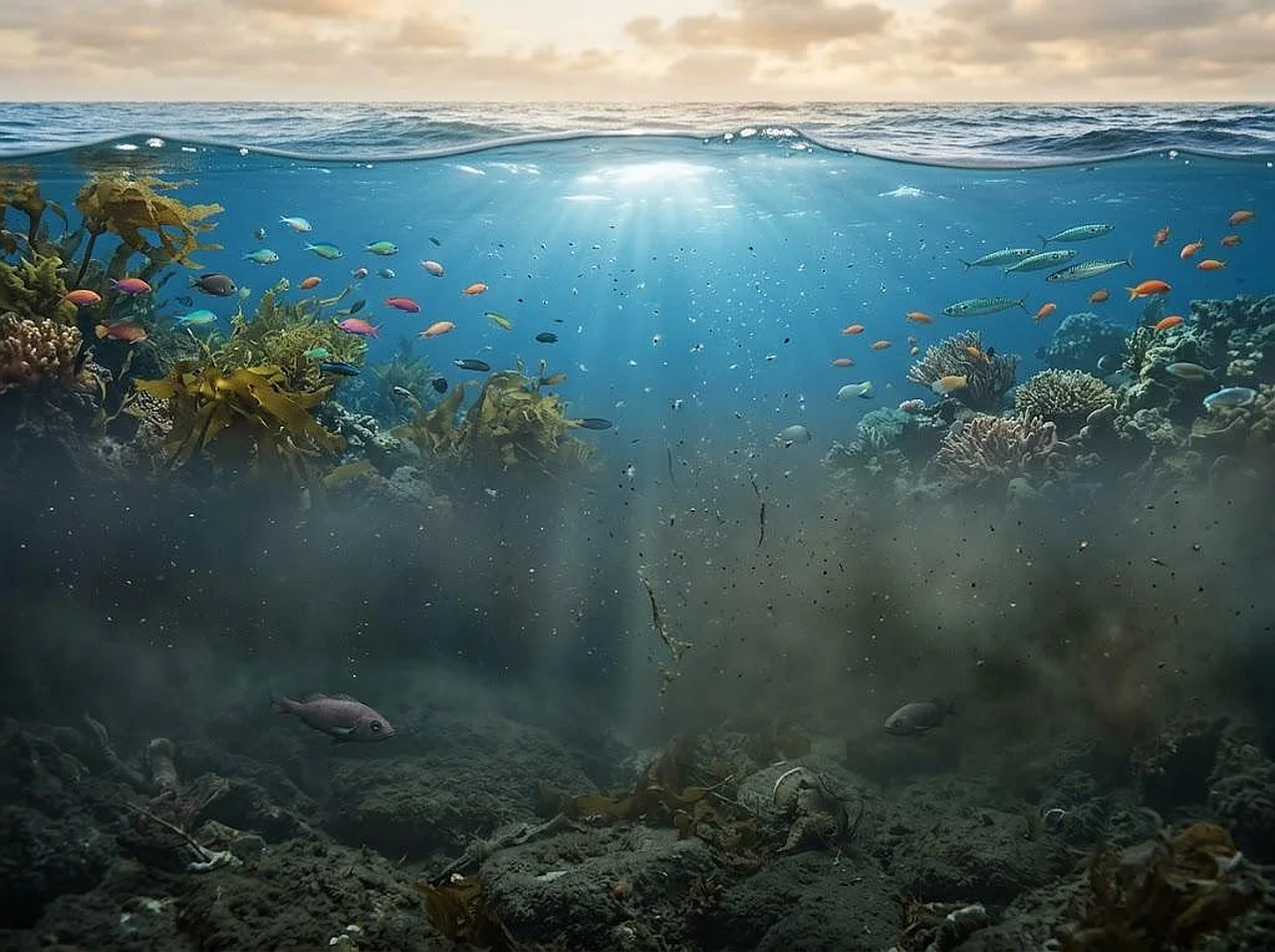
According to a scientific review published in the journal Limnology and Oceanography, the decrease in dissolved oxygen in the world's oceans, lakes, and rivers—a process known as deoxygenation—is approaching dangerous levels. Experts propose adding this environmental issue as a tenth global boundary to the planet's nine existing planetary boundaries. If current trends continue, the consequences could become irreversible within the lifetime of the current generation. This is reported by Ixbt.com reports.
The authors examined the link between oxygen loss and other global processes. Specifically, climate change, biosphere degradation, nutrient cycling, and ocean acidification are exacerbating the problem. Since the industrial era, oceans have absorbed more than 90 percent of the excess heat generated by anthropogenic greenhouse gas emissions, which has drastically reduced oxygen solubility in water.
Oxygen deficiency and its consequences
The study states that the decline in dissolved oxygen is caused not only by rising temperatures but also by pollution from nitrogen and phosphorus originating from agriculture and industry. Excessive nutrients stimulate rapid algal growth, and their decomposition leads to high consumption of dissolved oxygen by microorganisms. This process, in turn, intensifies the formation of toxic compounds and environmental pollutants that act as potent greenhouse gases.Oxygen deficiency in aquatic ecosystems is having a serious impact on living organisms. The growth, reproduction, and survival of marine life at all levels—from zooplankton and mollusks to fish and corals—are at risk. Experts emphasize that the reduction in oxygen alters the functioning of the biological carbon pump, which negatively affects the entire marine ecosystem.
Long-term risks and future plans
Scientists believe that water systems have a very long "memory." Even if carbon dioxide emissions were halted, oxygen loss in the ocean could continue for hundreds of years due to accumulated heat and slow water circulation. If high levels of greenhouse gas emissions persist, the rate of deoxygenation in deeper layers is expected to triple by the end of the century.Scientists demand that deoxygenation be viewed not merely as a local water quality issue, but as a global process affecting the functioning of the entire Earth system. Future priorities include expanding oxygen monitoring in marine and freshwater environments, improving predictive models, and conducting in-depth studies on the physiological resilience of organisms.


Comments 0
…