


First low-cost spacecraft mission to Alpha Centauri may be launched
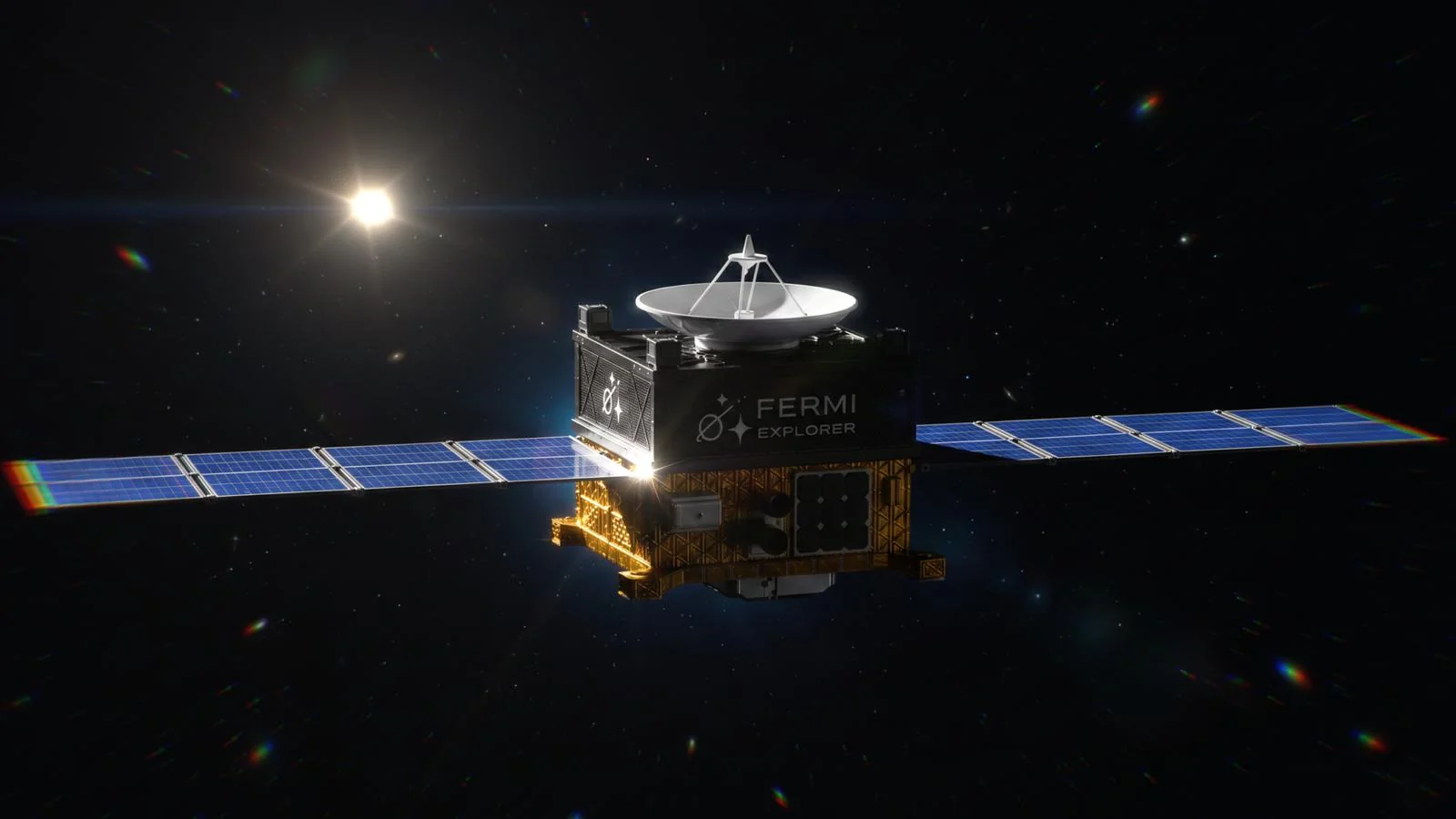
The founders of the Starcloud startup have established a non-profit organization planning to send a small unmanned spacecraft to the Alpha Centauri star system. According to ixbt.com, the project authors aim to raise $15 million and launch the device into space by the end of 2029 using a secondary payload rocket. This initiative could open a new chapter in human history and demonstrate a completely new economic model for interstellar travel. This is reported by news from Ixbt.com.
The device, named Fermi Explorer, will be built as simply as possible. It will contain approximately one kilogram of scientific equipment, a xenon reservoir, and solar panels designed for the propulsion system. The project authors consciously decided against developing new types of engine technologies. Their main goal is to practically test whether interstellar flight is possible using existing solutions and minimal funding.
Flight mechanics and main challenges
One of the project's primary difficulties is accelerating the craft to the required velocity. After successfully reaching Earth's low orbit, Fermi Explorer must gradually adjust its trajectory. This will allow the device to approach the Sun at a distance of approximately 0.42 astronomical units.During such an approach, the solar-electric unit will utilize a high flux of energy. It will also leverage the Oberth effect, where engine efficiency increases when firing near a gravitational body. According to the technical assessment prepared by the team, this scheme will help put the craft on a trajectory moving away from the Sun at a speed of 25 km/s within approximately 12 years.
A 77,000-year journey and philosophical foundations
After that, Fermi Explorer will continue its flight along a ballistic trajectory, reaching the Alpha Centauri system in approximately 77,000 years. The project's concept is closely linked to the Fermi paradox, which questions why humanity has not yet found reliable evidence of other civilizations if life is widespread in the universe.According to Philip Johnston, one of the project initiators, this mission will allow for testing two potential explanations for the paradox. Specifically, it will test whether advanced civilizations dare not send craft outside their star system or if interstellar flight is too complex even for them.
Communication with the device will not last long, and the team plans to manage Fermi Explorer for about 18 months. After that, the craft will continue its autonomous flight, and it will be very difficult to track from Earth after it passes Jupiter. If the project secures the necessary funding, its creators intend to launch the mission as early as 2029.


Comments 0
…