


Wireless Power in Space: Star Catcher to Conduct Unique Orbital Test
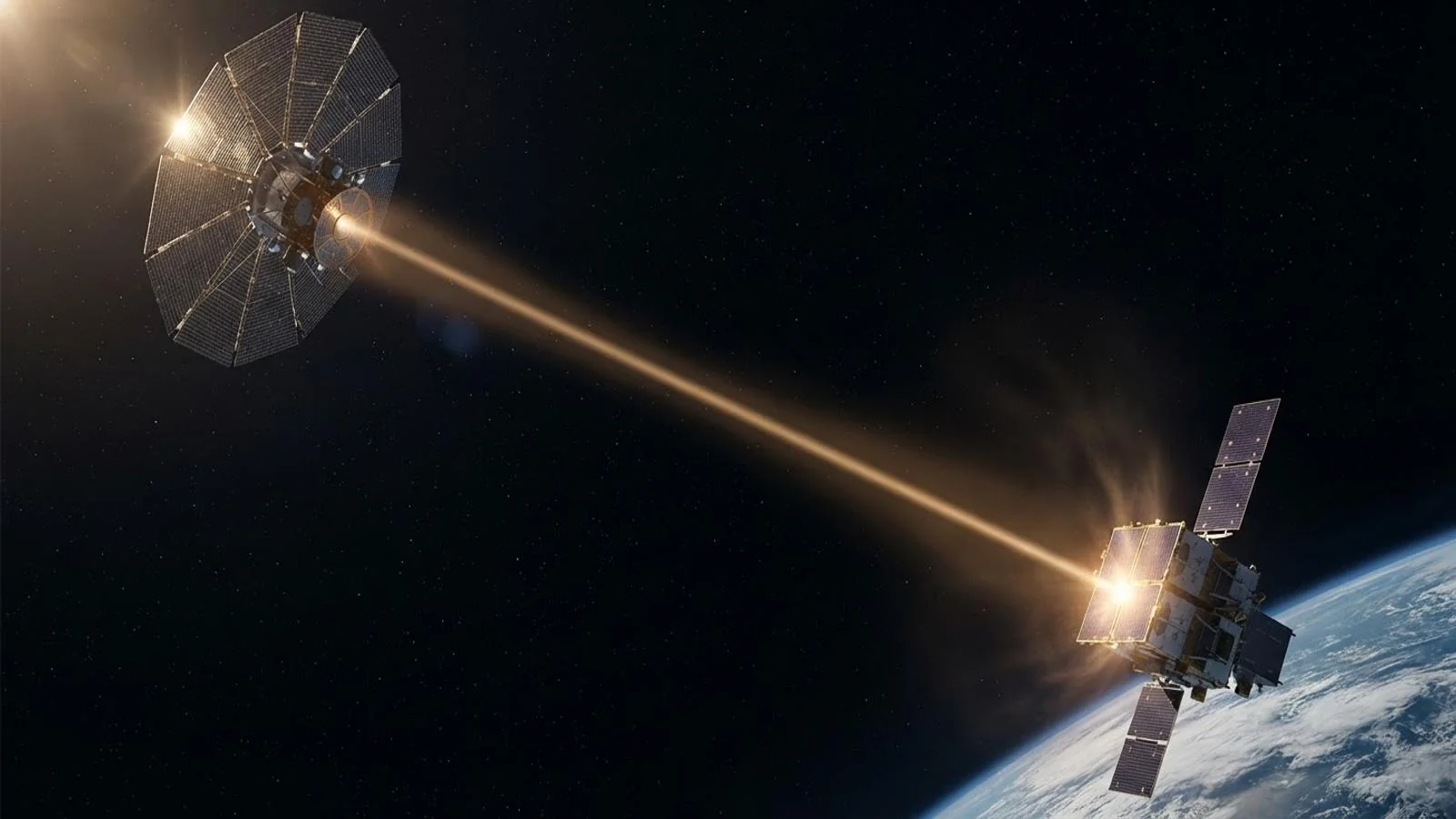
U.S.-based Star Catcher Industries is preparing to conduct the first-ever test of wireless energy transmission technology between two independently maneuvering spacecraft in orbit. According to ixbt.com, the experimental satellite, named Protostar, is scheduled to launch in October 2026 from Vandenberg Space Force Base as part of the SpaceX Transporter-18 mission. If successful, this project will mark a significant step toward creating unique energy networks in space. This is reported by Ixbt.com reports that.
According to the plan, once in orbit, Protostar will deploy a small CubeSat equipped with standard solar panels. The main spacecraft will then independently locate the satellite, track its movement, and direct an optical energy beam toward its solar cells. Engineers will measure how much energy the CubeSat receives and how efficient the transmission is.
During this unique experiment, the company aims to test several critical technologies simultaneously. These include detecting another spacecraft, tracking it, and transmitting energy remotely. Star Catcher has previously tested individual components of this system.
Evolution of Space Technologies
Specifically, the optical energy transmission technology was demonstrated on Earth at NASA's Kennedy Space Center. Additionally, in late 2025, software for detecting and tracking spacecraft was successfully tested in orbit as part of the Sextant Alpha mission. The Protostar satellite is intended to integrate these developments into a single system.If the tests yield positive results, Star Catcher will prove that measurable amounts of energy can be transmitted between two physically unconnected devices in real orbital conditions. In the long term, the company intends to build an integrated energy network in orbit. As a result, satellites will no longer be limited by the capacity of their own solar panels and will be able to receive additional power from external sources.
Potential beneficiaries of the capabilities offered by Star Catcher include Earth observation satellites, military hardware, and energy-intensive orbital computing centers. Industry representatives are already showing significant interest in this technology.
Funding and Future Plans
The company has already signed ten energy purchase agreements, including with firms such as Starcloud, Loft Orbital, Astro Digital, and Aethero. Furthermore, over 40 letters of intent have been received from potential customers. Financially, things are also progressing well: the startup has raised $88 million in venture capital and secured a $60 million STRATFI contract from the U.S. Space Force.In parallel, Star Catcher is not only demonstrating the technology but is also developing a larger next-generation apparatus designed to provide practical energy to customers. The upcoming Protostar flight will clearly demonstrate the viability of wireless power transmission between satellites and the possibility of creating a full-fledged energy infrastructure directly in orbit.


Comments 0
…