


Artificial Intelligence and Nuclear Energy: New Microreactor Tested in Partnership with NVIDIA
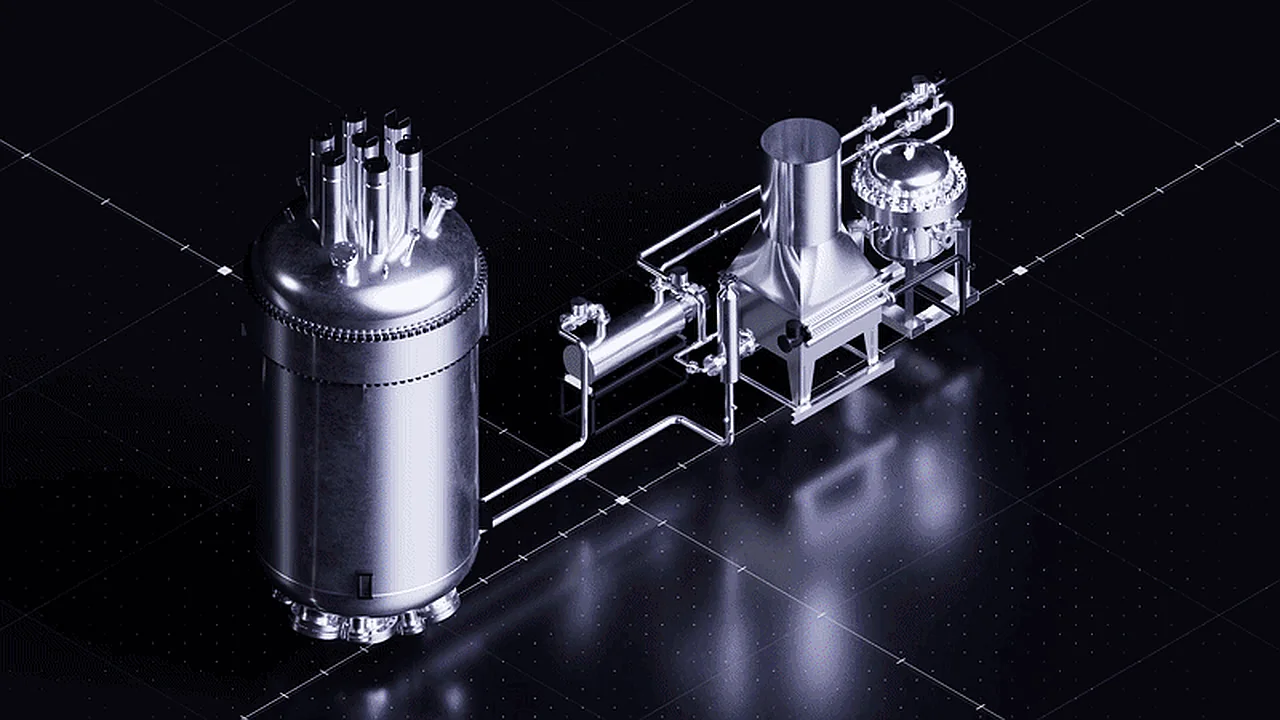
In Utah, USA, an important event for the tech world took place: Valar Atomics powered an NVIDIA DGX Spark AI computer using its Ward-250 microreactor. This demonstration is expected to usher in a new era at the intersection of energy and high technology. This process is not merely an experiment, but the first serious step toward creating independent energy sources for future "AI factories." Ixbt.com reports this.
According to Reuters, the partnership between Valar Atomics and NVIDIA is aimed at building compact computing centers powered directly by nuclear generation. The main technical achievement of the demonstration is that the reactor not only entered a controlled chain reaction, but was also connected to a real electrical load. Earlier, on June 18, the US Department of Energy (DOE) confirmed that the nuclear reaction at this facility had reached a self-sustaining level.
Technical capabilities and energy consumption
The Ward-250 reactor belongs to the high-temperature gas-cooled reactor (HTGR) category. It uses TRISO fuel, a graphite moderator, and helium as a heat transfer medium. During the test, the reactor operated at approximately 37% of its capacity, generating 100 kW of thermal energy. This heat was converted into electricity through a special converter and directed to power the NVIDIA DGX Spark device.It should be noted that the NVIDIA DGX Spark model is based on the GB10 Grace Blackwell chip and consumes approximately 240 W of energy. This is a much smaller figure compared to industrial-scale data centers. For example, operating a large center with 30 MW of capacity would require over a hundred thousand such devices. Nevertheless, the transition from laboratory conditions to real load is a major achievement from an engineering standpoint.
Cooling system and environmental efficiency
NVIDIA is currently actively developing liquid-based cooling systems for data centers. These systems are designed to operate at inlet temperatures up to 45 °C, which allows water consumption to be reduced to nearly zero using dry cooling towers. This is a particularly important technological solution for areas with limited water resources.Valar Atomics plans to implement a large 30 MW project in Utah in the future. However, Tom's Hardware notes that many questions remain open regarding the commercial licensing and industrial-scale expansion of the project. Obtaining full authorization from the US Nuclear Regulatory Commission (NRC) is considered a key condition for the popularization of such projects.
In conclusion, nuclear startups are offering small reactors as a direct energy source for AI centers. Giants like NVIDIA see nuclear generation as a stable and independent energy source. While this technology is currently at the laboratory stage, it is highly likely to become an integral part of AI infrastructure in the near future.


Comments 0
…