


Preparations for pig-to-human kidney transplantation begin in Japan
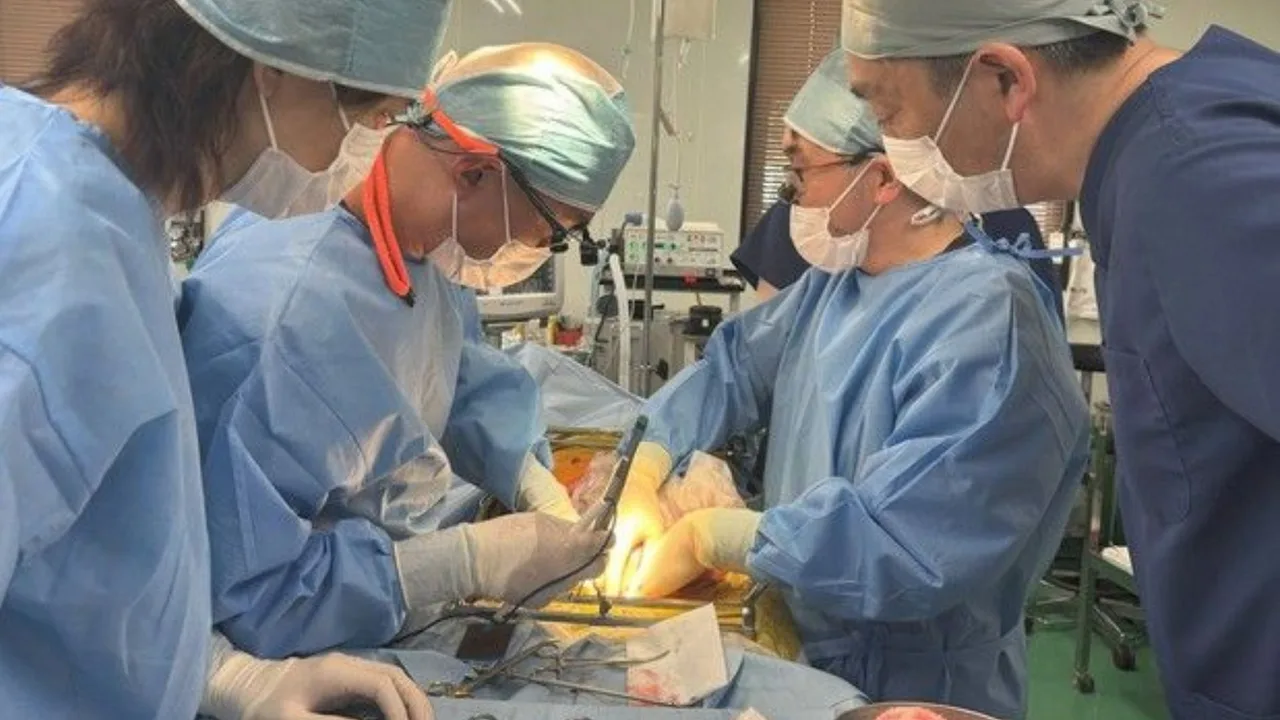
A scientific project that could have major significance for the medical field is set to launch in Japan. Scientists in the country aim to begin clinical trials for transplanting genetically modified pig kidneys into humans starting in 2028. This was reported by The Japan Times publication.
It is reported that this project is being carried out by the biotechnology startup PorMedTec established at Meiji University. The company is collaborating with the US biotechnology firm eGenesis and is using specially genetically modified pigs.
According to the plan, kidneys harvested from pigs will be transplanted into selected patients at Hokkaido University Hospital in Sapporo and Shonan Kamakura General Hospitallocated in Kanagawa Prefecture. Experts emphasize that these clinical trials will be closely monitored for safety and efficacy.
Scientists believe that xenotransplantation—the transplantation of organs from animals to humans—is one of the most promising ways to solve the problem of donor organ shortages. If this technology proves successful, it could potentially save the lives of thousands of patients in the future.
According to the data, eGenesis has performed a total of 69 genetic modifications on the pigs being raised by the company to reduce the likelihood of the human body rejecting the new organ and to lower the risk of animal viruses being transmitted to humans.
So far, four clinical trials based on this technology have been conducted in the US. It has been noted that some patients did not require dialysis for several months after the surgery. This is considered one of the important results indicating the potential of the new technology.
Currently in Japan, over 300,000 people are receiving regular dialysis due to kidney failure. At the same time, nearly 15,000 patients are on the waiting list for a kidney transplant. Therefore, scientists hope that this technology will partially resolve the issue of donor organ shortages in the future.
PorMedTec leader and Meiji University professor Hiroshi Nagashimastated that scientific research on implementing interspecies transplantation will continue consistently. In his view, this field could become one of the most effective and important technologies in modern medicine in the future.


Comments 0
…