


Scientists Propose Halving Earth’s Population
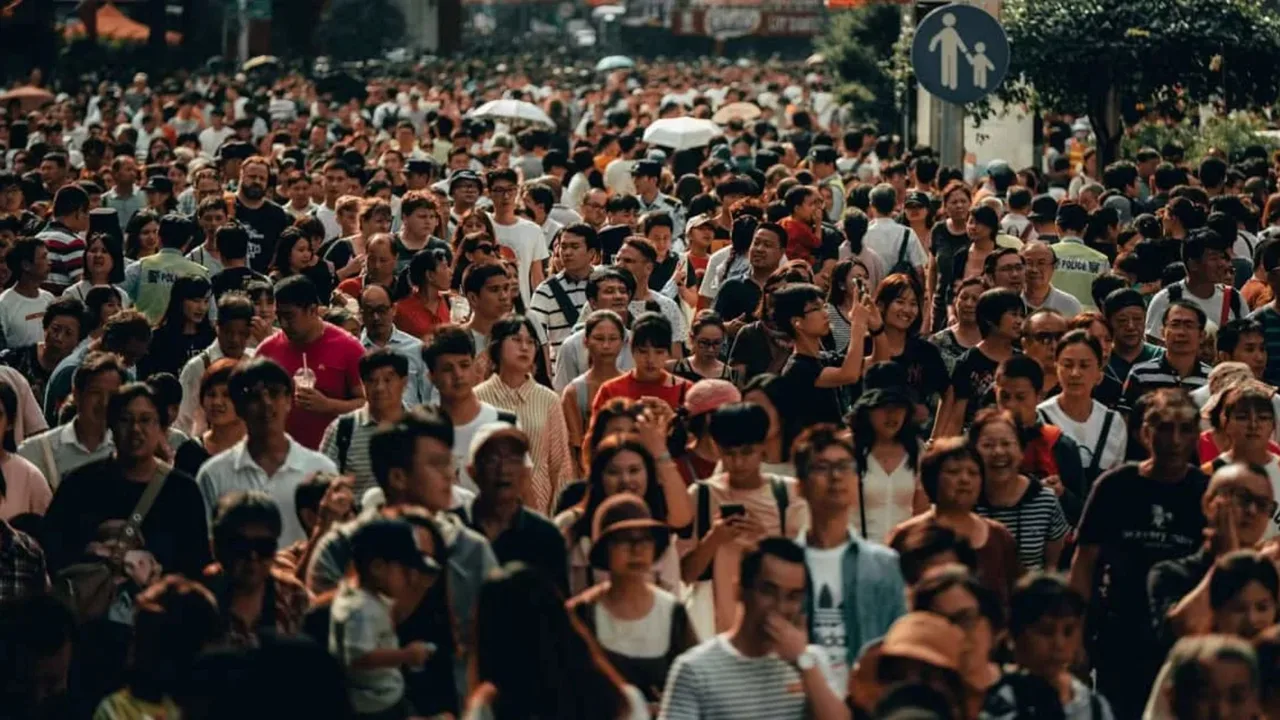
More than 8 billion people currently live on Earth. To reduce pressure on the environment and use natural resources more sustainably, scientists have proposed gradually reducing the world’s population to 4 billion by 2200. This was reported by Sustainable Development citing a study published in the journal Naked Science reported.
The study’s authors state that a natural decline in population would reduce pressure on land resources, food, water and energy. At the same time, it could help lower pollution levels, reduce factors contributing to climate change and alleviate poverty in regions with high birth rates. According to the scientists, this could also help reduce conflicts over resources and forced migration. Quality of life could improve in densely populated areas.
The authors specifically emphasized that compulsory or violent measures are not necessary to reduce the population. Instead, they identified expanding access to education, healthcare and social development in impoverished regions with high birth rates as the most effective solution. Ensuring access to quality education, particularly for girls, was highlighted as one of the key factors.
According to the researchers, birth rates naturally stabilize in societies where women can make independent decisions about education, employment and having children. They cited the experiences of Iran, South Korea and Costa Rica as examples. In these countries, the average number of children per woman nearly halved within 10–20 years.
The study notes that over the past 25 years, the global total fertility rate has fallen from 2.75 to 2.25 children per woman. Scientists say that if this trend continues for another 25 years, the global average could decline to 1.75 children per woman.
At the same time, some experts do not support this idea. In their view, the main problem facing humanity is not population size, but the unequal distribution and inefficient use of resources. However, the study’s authors emphasize that achieving sustainable development requires not only slowing population growth but also reducing each person’s environmental impact.
For reference, as of January 15, 2026, Uzbekistan’s population exceeded 39.047 million. Men account for 19.76 million people, while women account for 19.3 million. In addition, 21.3 million people live in cities and 17.8 million reside in rural areas.


Comments 0
…