


Remains of two giant statues depicting Ramesses II found in Egypt
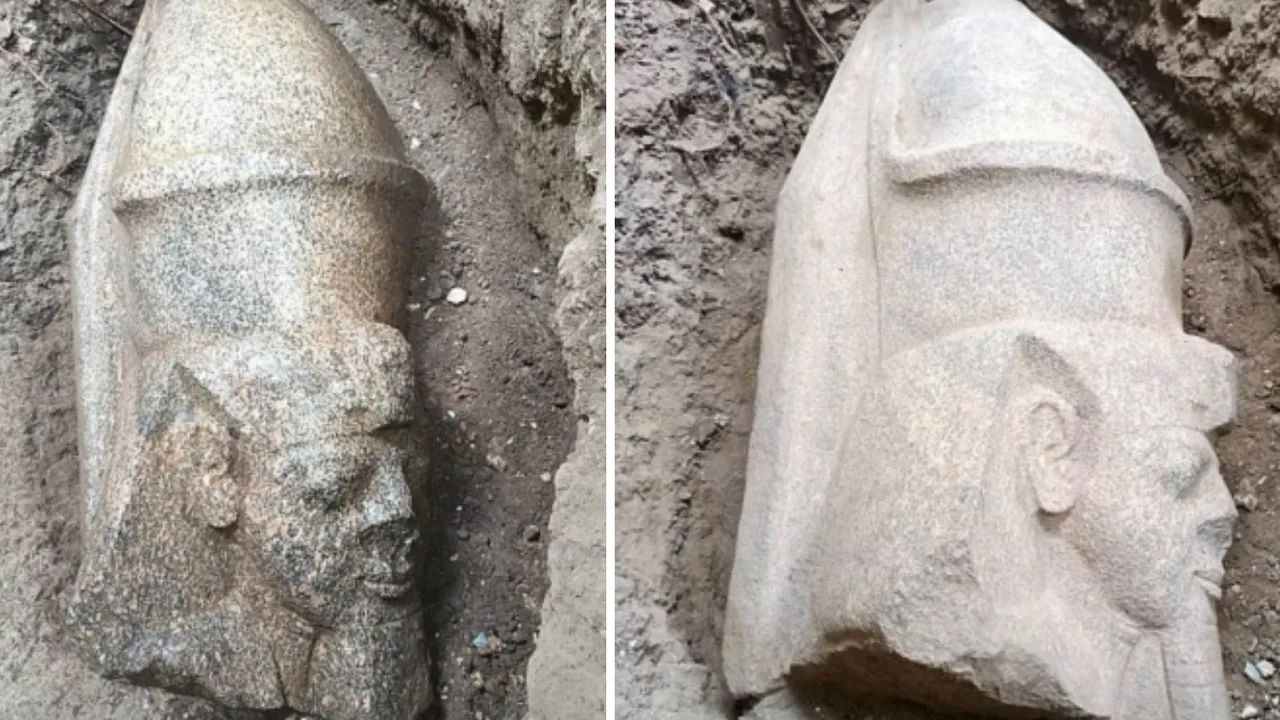
The remains of two giant royal statues with a history of nearly 3,000 years have been discovered in a village in Egypt's Nile Delta region. It has been confirmed that one of them is a statue depicting the famous Ancient Egyptian ruler Ramesses II. The second statue may also belong to this pharaoh. This was reported by Ahram Online and other international publications.
The find was discovered in the village of Behbeyt el-Hagar, located about 100 kilometers north of Cairo. While working on his land, a local resident noticed a piece of stone with inscriptions and reported it to the antiquities authorities. After specialists determined the antiquity of the stone, rescue excavation works began in the area.
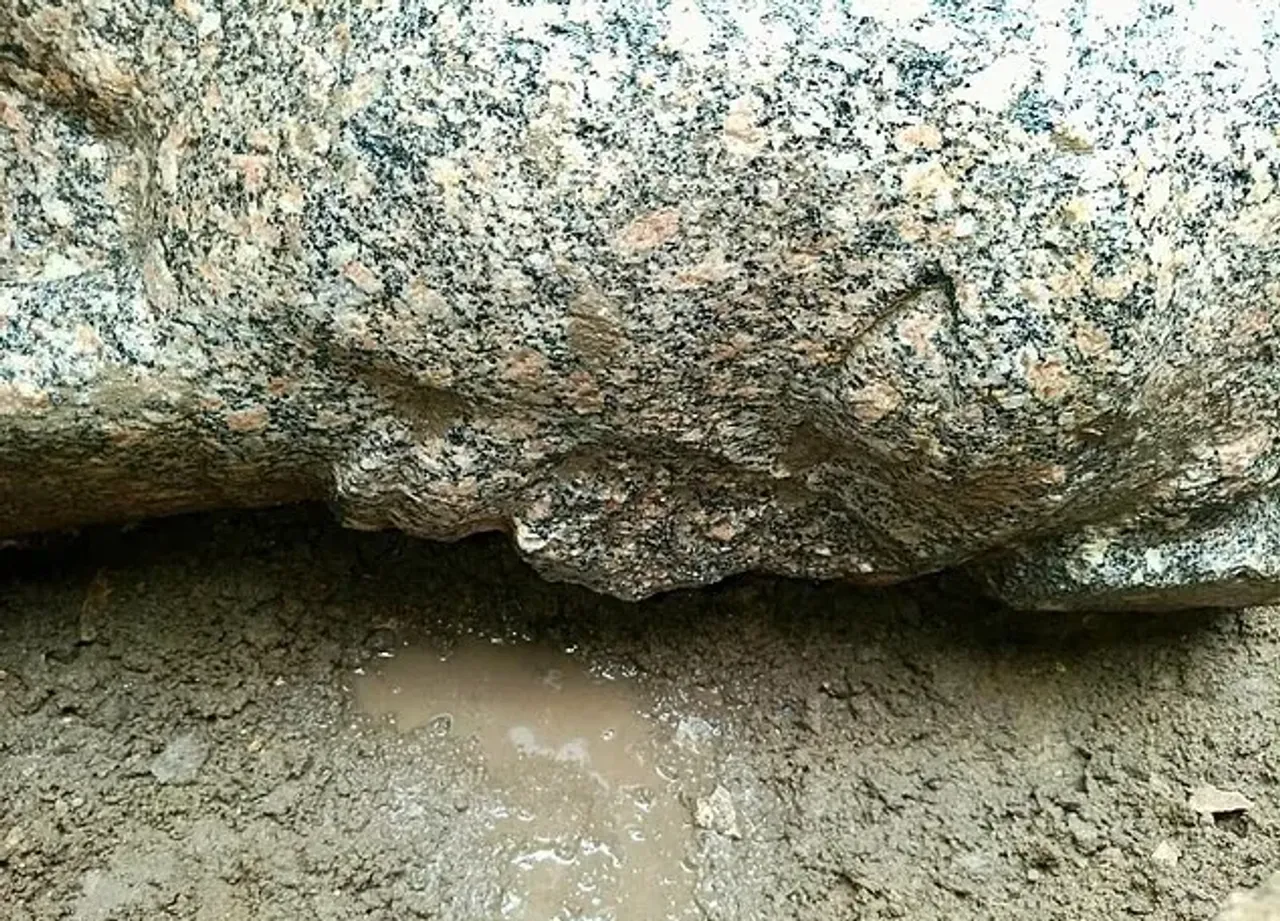
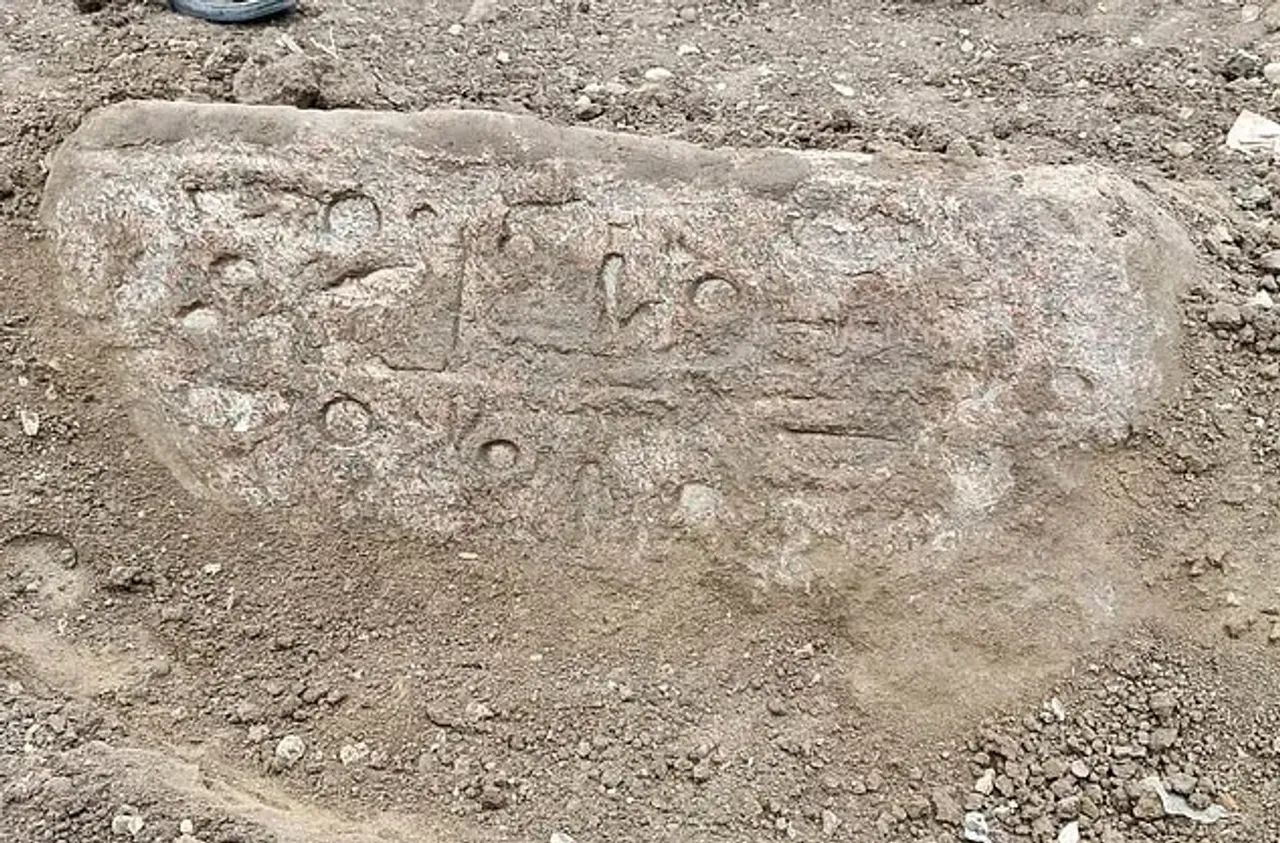
During the excavations, remains of the statues and a piece of pink granite with hieroglyphic inscriptions were found. One of the most notable finds is the head of the statue of Ramesses II, approximately 1.6 meters high. It depicts the pharaoh wearing the double crown, symbolizing the unification of Upper and Lower Egypt.
According to experts' calculations, the statue in its complete state, along with its base, was approximately 8.5 meters high.
The preserved part of the second statue is nearly 2.4 meters. Some of its parts, including the legs and the lower section, are missing. Despite this, it is noted that the facial part of the statue is well preserved.
The hieroglyphs on the pink granite piece contain the royal titles of Ramesses II. These inscriptions played an important role in determining the connection of the finds to the pharaoh.
Egyptian authorities praised the actions of the local resident who identified the ancient stone and notified the relevant agencies. Excavations in the area are currently ongoing. Archaeologists hope to further clarify the historical significance of this site through new finds.
Behbeyt el-Hagar is also famous for the ruins of the ancient Temple of Isis. Built mainly from massive granite blocks, this complex was one of the important religious centers in later periods of Egyptian history. However, a direct connection between the newly discovered statues and the temple has not yet been established.
For reference, Ramesses II was a representative of the 19th Dynasty of Ancient Egypt, ruling from 1279 to 1213 BC. He is considered one of the most famous pharaohs in the country's history. During his reign, numerous temples, colossal statues, and architectural monuments were erected. Ramesses II is also known in history as Ramesses the Great.


Comments 0
…