


British scientists discover a new species of crocodile that lived 170 million years ago
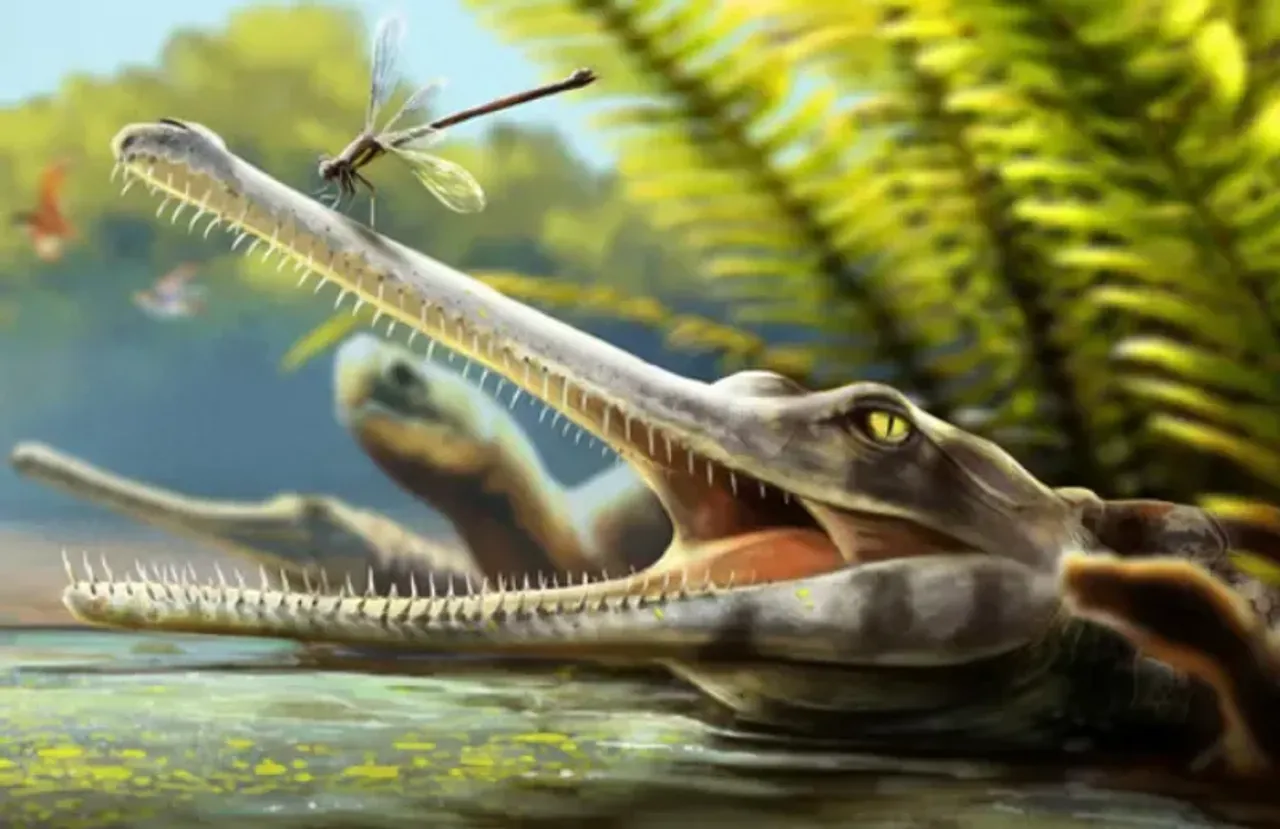
British scientists have identified a new species of crocodile that lived on Earth 170 million years ago. Its teeth were so thin that they resembled toothpicks. Because of this, it fed mainly on small fish and other small aquatic creatures, The Independent reports.
The new species has been named Ctenosuchus tenuidens. The discovery was made by researchers from the University of Portsmouth in Great Britain and Hassan II University in Morocco.
Fossilized remains of the ancient reptile were found in the Atlas Mountains in southeastern modern-day Morocco. Using a microscope, scientists studied the teeth and identified special closely spaced ridges on them. This structure indicates that the animal had a unique feeding method.
According to researchers, it fed on small fish, crustaceans, and other aquatic organisms. Its jaw and tooth structure were also similar to those of certain pterosaurs that lived during the Jurassic period. These animals may have fed by filtering small organisms out of the water.
The study shows that different groups of prehistoric animals adapted to similar feeding habits independently of each other. The find also helps us understand that ancient crocodile relatives lived in a wider range of habitats and possessed more diverse feeding strategies than previously thought.


Comments 0
…