


Scientist who promised to transplant human head performs surgery in Russia
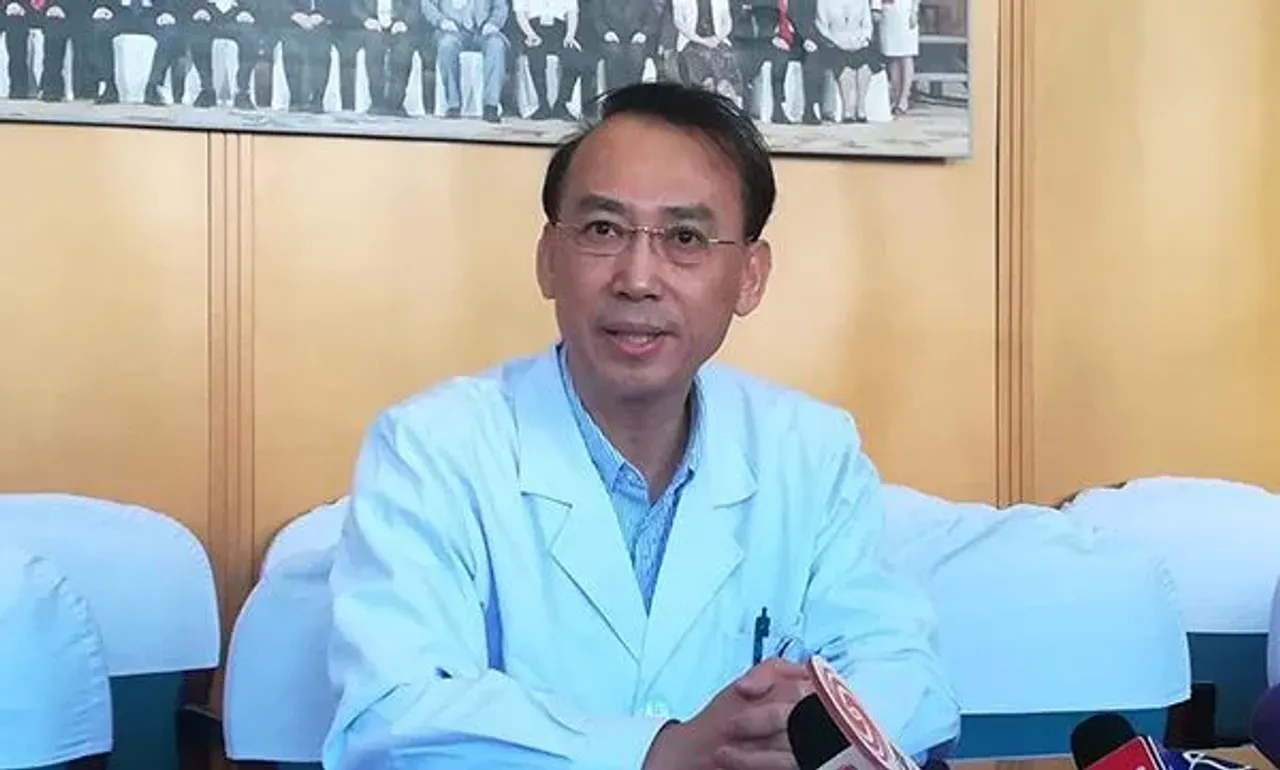
Chinese neurosurgeon Ren Xiaoping, known for his plans to transplant a human head onto another body, has appeared in Moscow. He participated in a 12-hour spinal cord surgery at the Sklifosovsky Research Institute. This was reported by the «South China Morning Post».
According to the scientist's information cited in the «New Scientist» magazine, the damaged section of the spinal cord severed due to an injury was removed and replaced with a piece of nerve tissue taken from a brain-dead donor. Ren Xiaoping called this procedure the world's first spinal cord transplantation. Russian authorities also confirmed that such an operation was performed in Moscow. However, there are no detailed data on its long-term outcomes yet.
Ren Xiaoping gained international recognition in the 2010s when, alongside Italian surgeon Sergio Canavero, he put forward a plan to transplant a human head onto another body. However, there is no reliable confirmation that such an operation has been successfully performed on a human. This idea has caused serious ethical and scientific objections in the medical community.
The scientist's activity in Moscow coincides with a period of intensified research in Russia on longevity and slowing down aging. «The Wall Street Journal» wrote that Vladimir Putin's daughter Maria Vorontsova and Kurchatov Institute head Mikhail Kovalchuk are connected to the state program in this direction. Within the framework of the program, areas such as gene therapy, tissue bioprinting, and growing human-compatible organs in animals are being explored.
According to open budget data, the Russian government plans to allocate a total of 17.954 billion rubles for the national project «New Healthcare Technologies» in 2027–2029. However, it is not entirely accurate to interpret this funding solely as money spent on extending Putin's life: the project covers broader research related to medicine and longevity technologies.


Comments 0
…