


Presidential elections in Brazil conclude: 80-year-old Lula da Silva snatches victory
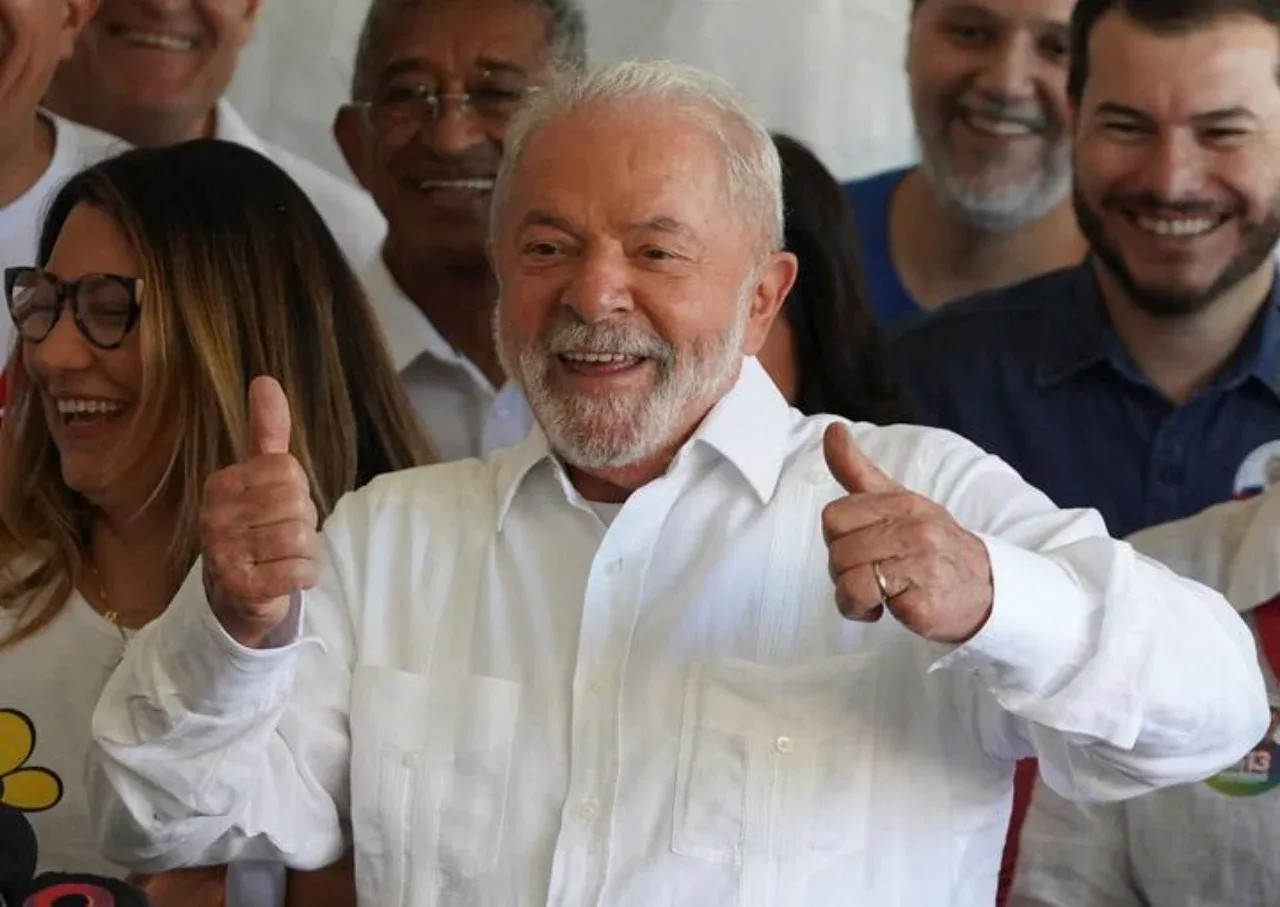
In the second round of the presidential election in Brazil, incumbent head of state Luiz Inácio Lula da Silva defeated his rival, conservative senator Flávio Bolsonaro (son of former president Jair Bolsonaro), securing re-election for a record fourth term in the country's history.
According to the Superior Electoral Court (TSE) and international agencies, following an unexpected defeat in the first round, the incumbent leader turned the tide in his favor during a fiercely contested decisive round, securing victory with a margin of nearly 4.4 million votes.
The decisive round and distribution of votes
Amid intense political competition across the country, the final figures shape up as follows:
Lula da Silva's lead: The leader of the center-left Workers' Party (PT) won the support of 51.79% of voters (51.76% in preliminary counts) with over 64 million votes;
Flávio Bolsonaro's result: The representative of the Liberal Party (PL) and son of Jair Bolsonaro, Flávio Bolsonaro, gathered 48.21% of the vote (48.24% in preliminary data);
Controversies during the electoral process: Voting hours were extended by two hours by a Supreme Court decision due to public transport and weather issues in certain regions, which caused additional disputes between the headquarters of both sides during the day.
Historical record and regional balance
The latest victory of Luiz Inácio Lula da Silva is of great significance not only for Brazil but for the entire Latin American regional politics:
An unprecedented result in Brazilian history: Lula became the first leader in modern Brazilian history to finish second in the first round, win the final round, and be elected president a total of four times;
Age record: Lula da Silva, who will soon turn 81, updated his record as the oldest head of state to govern the country in the era of Brazilian democracy;
Geopolitical consequences: Brazil, the largest economy in Latin America (with a GDP of $2.6 trillion), together with Mexico, will remain under the influence of the center-left bloc, maintaining its independent political course in the balance of global power.
This victory was achieved amid strong polarization in Brazilian society, and the renewed administration faces complex tasks such as ensuring the country's economic stability and reaching compromises with the forces in parliament.



Comments 0
…