3400-year-old curse texts discovered in Egypt: how did the ancient Egyptians punish their enemies?
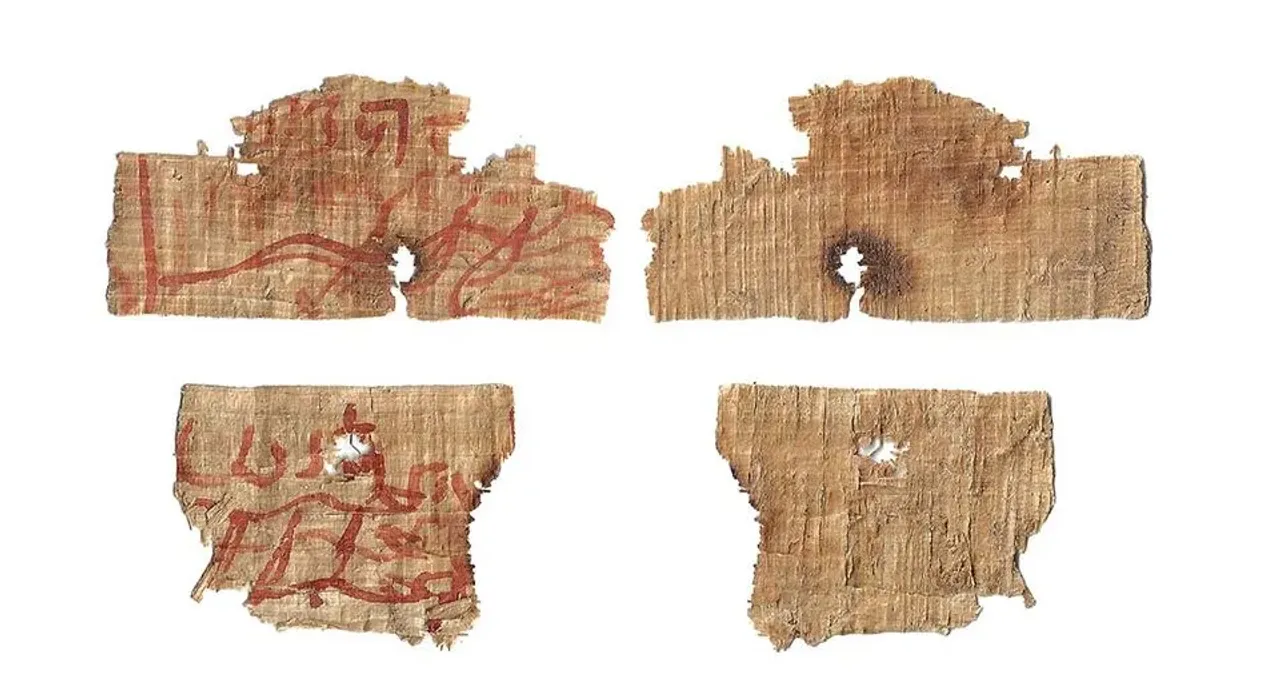
In Egypt, archaeologists have discovered papyrus fragments dating back nearly 3,400 years related to unusual rituals. They contain traces of curse rituals that ancient Egyptians used against Apophis, the giant serpent considered the arch-enemy of the sun god Ra. Interestingly, the papyri were not just written; they were pierced with sharp objects and burned. This was reported by researchers from the University of Copenhagen.
The findings were identified near the mortuary temple of Pharaoh Thutmose III in the ancient city of Thebes, modern-day Luxor. Archaeologists studied an ancient refuse heap outside the northern wall of the temple, measuring approximately 75 meters long and 10–20 meters wide. About 40 small papyrus fragments were found there.
By studying their appearance, inscriptions, and signs of damage, researchers determined that the fragments belonged to the "Defeating Apophis" ritual performed in ancient Egypt.
Why did the ancient Egyptians curse the serpent?
According to ancient Egyptian mythology, Apophis was a giant serpent who was the embodiment of chaos and destruction. Legends say that every night, he would attack the sun god Ra as he passed through the underworld, attempting to block his path. The Egyptians believed that Ra's victory ensured the sun would rise again every morning.
For this reason, priests performed special rituals aimed at symbolically destroying Apophis. To do this, the image and name of the serpent were inscribed on papyrus, then pierced with a sharp object and the paper was burned. In some rituals, the images were trampled or wax figures were destroyed.
How were the papyri prepared?
One of the aspects that caught the scientists' attention is that the discovered fragments were prepared in the same way. The images and inscriptions on them were made in red ink on only one side of the papyrus. Some samples also show rectangular shapes separated by red lines.
Researchers believe these marks indicate that a large sheet of papyrus was initially divided into several equal parts, with a separate image and inscription placed on each part. Later, the sheet was cut into small pieces. This means that the items needed for the ritual may have been prepared in large quantities at once.
The puncture and burn marks on the discovered samples show that the papyri were not kept merely as writings or drawings, but were actually used in the ritual.
Curse rituals were not only against the serpent
The researchers note that the rituals against Apophis were later used for other purposes as well. These symbolic acts were performed against the pharaoh's enemies, rivals of specific individuals, diseases, and dangerous natural phenomena.
The significance of this discovery for scientists lies in the fact that previously, rituals against Apophis were known mainly from ancient written sources. The new papyri are among the oldest direct material evidence confirming that such rituals were indeed performed. They provide new information about the religious views of the ancient Egyptians and the magical rituals in their daily lives.
Next story
No ads with a subscription
Zamin Premium — 4 900 UZS a month


Related news


Comments0
…