


Number of road accidents in Tashkent decreased by 9.5%: Over 3 million violations in 6 months
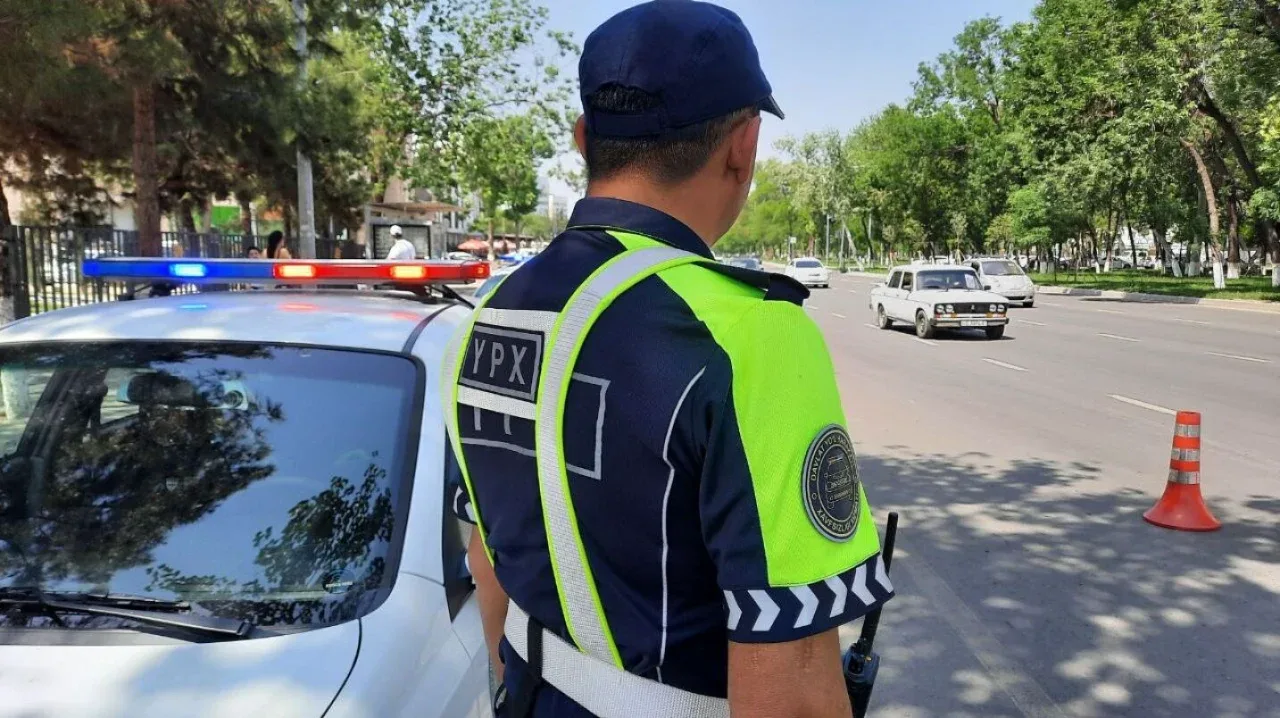
The Tashkent City Council of People's Deputies thoroughly reviewed the report on the work carried out within the framework of the "Safe and Smooth Road" program in the capital during the first half of 2026. According to official data, during the reporting period, the number of road traffic accidents (RTAs) across the city decreased by 9.5%, dropping from 464 to 420.
In particular, accidents related to driving into the oncoming lane and overtaking violations decreased significantly by 55.2%, accidents caused by failure to obey traffic lights and driving while intoxicated dropped by 50%, and accidents resulting from speeding decreased by 47.8%. A total of over 3 million 11 thousand violations were recorded within six months by USDB (Traffic Safety Department) inspectors and digital video surveillance cameras. Despite this, accidents on the city's roads resulted in the deaths of 26 citizens, while 394 people sustained injuries of varying degrees.
"420 road accidents, 3 million violations, and 20 new traffic lights": 5 key points of the 6-month report
The most important official indicators recorded regarding road safety in the capital:
Total number of road accidents decreased: In the first 6 months of 2026, the number of car accidents decreased by 9.5%, dropping from 464 to 420;
Entering the oncoming lane dropped sharply: The number of accidents related to overtaking and crossing into the oncoming lane decreased by 55.2% (from 29 to 13);
Over 3 million official fines: 3,011,466 traffic violations were detected through inspectors and special automated cameras;
Infrastructure renewal: 1,703 new road signs were installed in the capital, 3,743 were replaced, 20 new traffic lights were built, and 492,000 sq. meters of road markings were painted;
Statistics of fatalities and injured: According to USDB materials, 26 people lost their lives and 394 citizens sustained injuries as a result of the accidents.
Classification of RTA statistics and dynamics in Tashkent city for the 1st half of 2026
Comparative table by road safety indicators and causes:
Causes of RTAs and violations | Previous period status | 1st half of 2026 | Change dynamics (%) |
Total recorded RTAs | 464 | 420 | Decreased by -9.5% |
Entering oncoming lane and improper overtaking | 29 | 13 | Decreased by -55.2% |
Disregarding red traffic light | 24 | 12 | Decreased by -50.0% |
Driving a vehicle while intoxicated | 6 | 3 | Decreased by -50.0% |
Exceeding the established speed limit | 23 | 12 | Decreased by -47.8% |
Total scale of detected violations | — | 3,011,466 | Result of digital control |
Fatalities and injured persons | — | 26 victims / 394 injured | Official USDB data |
Urban planning and road safety expertise: Are digital cameras and infrastructure really helping?
Conclusions of traffic specialists, urban planners, and safety experts:
"Digitization and the factor of inevitable punishment": The detection of over 3 million violations in 6 months shows that the surveillance camera system in the capital is operating strictly; the inevitability of punishment has disciplined drivers, leading to a sharp decrease in gross violations that cause the most severe consequences, such as entering the oncoming lane (-55.2%) and running red lights (-50%);
Infrastructure shortcomings and pedestrian risks: Despite the installation of over 1,700 new signs and 20 traffic light facilities, the death of 26 people and the injury of 394 people indicate that an environment not fully adapted to the human factor still exists in the city center; according to experts, city streets should be transitioned to a safe design ("Vision Zero" concept) not just for cars, but for pedestrians and active mobility participants;
The issue of victims not being reflected in the Council report: The failure to directly and openly analyze deaths and injuries resulting from RTAs in the program report makes it difficult to deeply assess the problem; the public and local councils should evaluate not just the numbers, but every lost human life, and demand the reconstruction of dangerous intersections.
In your opinion, to reduce road accidents in Tashkent, is it more effective to increase the number of radars and cameras that further restrict speed, or is it fundamentally necessary to improve road infrastructure (pedestrian crossings, safety islands)? Can over 3 million fines serve to improve driving culture? Leave your personal thoughts in the comments and share this important analysis on capital road safety with your loved ones!



Comments 0
…