


A historic reform for students: 185 thousand young men and women to receive a salary while studying
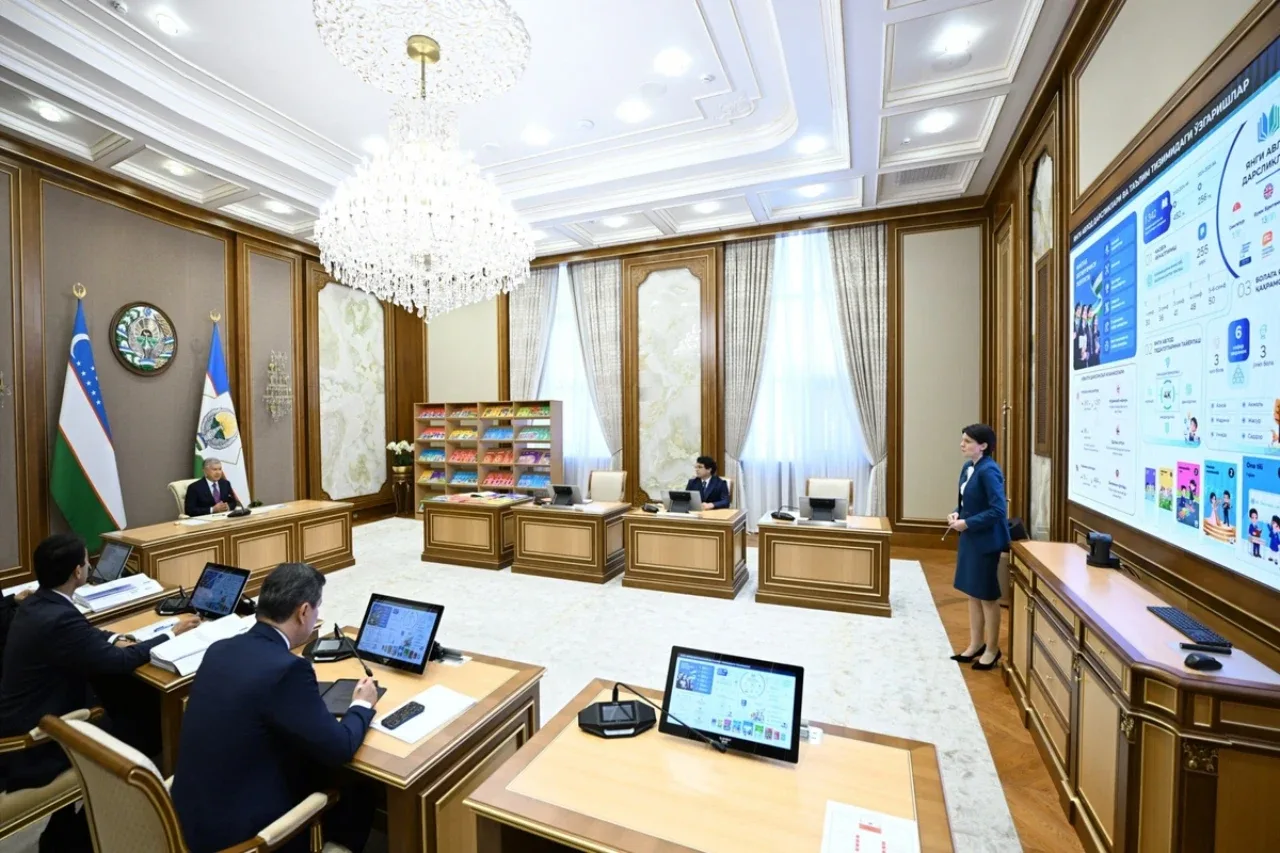
An unprecedented revolutionary step is being taken in Uzbekistan's higher education system to employ students and directly connect theory with practice. President Shavkat Mirziyoyev got acquainted with the presentation of measures to expand dual education and introduce modern teaching methods. In accordance with the new state initiative, the task was set to cover at least 80 percent of students studying in the 3rd and 4th years of higher education institutions — exactly 185 thousand young people — with the dual education system.
The main priority in the project will be given to engineering, manufacturing, construction, and agriculture sectors. Already in the 2027/2028 academic year, the integration of 75 higher education institutions and 3.5 thousand large enterprises will be launched to combine study and practice for the initial 12.5 thousand students. Most importantly, enterprises that hire students will be reimbursed 50 percent of their wages by the state in the form of subsidies, and extensive customs and tax privileges will be provided.
"185 thousand students, 50 percent subsidy, and the German model": 5 key points of dual education
The most important facts regarding the new initiative in higher education and set strategic goals:
Coverage of 80 percent of senior students: 185 thousand young people studying in the 3rd and 4th years of higher education institutions will study and work directly at enterprises;
50% wage subsidy for enterprises: Exactly half of the monthly salary paid to students will be covered by the state;
Customs and procurement preferences for employers: Enterprises that accept more than 25 students will be granted priority in public procurement, customs duties, and depreciation privileges;
German experience and the Andijan model: In Germany, 70–75 percent of dual education graduates get employed at their internship locations; whereas in Andijan, 11 thousand students are currently gaining experience in 2 thousand enterprises;
Tripartite official contract and mentorship system: A legal contract is signed between the higher education institution, the enterprise, and the student, and an experienced mentor is assigned to each young specialist.
Uzbekistan indicators of dual education development and classification of privileges
Schedule of planned coverage and enterprise support mechanisms within the new system:
Direction and analysis criteria | Set target indicator | Expected socio-economic impact |
Total student coverage | 80 percent of 3rd and 4th-year students (185 thousand youth) | Having at least 1–2 years of real work experience upon graduation from the university |
First stage plan (2027/28) | 75 HEIs and 3.5 thousand enterprises (12.5 thousand students) | Ready practical specialists for industrial and agricultural sectors |
State wage subsidization | 50 percent of the salary paid to the student | Halving employer costs and incentivizing youth |
Large employer bonus | For those accepting more than 25 students | Relief from customs duties, depreciation, and privileges in public procurement |
Integration and management system | Online through a single digital platform | Transparent control excluding corruption and red tape |
Legal and practical status | «HEI — enterprise — student» contract and mentorship | Mandatory guaranteed job placement and enhancement of personal skills |
Education and labor market expertise: Why will dual education put an end to the problem of "unemployed graduates with diplomas"?
Conclusions of higher education experts, economists, and large employers:
Ending the "has a diploma, but no experience" syndrome: In Uzbekistan, the main obstacle for young people with higher education in finding a job for years has been the employers' requirement of "at least 2 years of work experience"; through dual education, the student will have 2 years of official work record in their labor book and real practical knowledge on the very day they graduate from the university;
The proven power of the German model: It is no coincidence that 10 Uzbek rectors were sent to Germany 3 months ago; the global leadership of German industry relies precisely on this dual system, because 75 percent of graduates there are retained as permanent employees at the enterprise where they completed their internship; the attachment of 11 thousand students to 2 thousand enterprises in the Andijan region has shown that this system works successfully in our country as well;
Favorable economic incentives for business: Until now, enterprises did not want to spend time and money training students; now, the state taking responsibility for 50 percent of the salary, providing advantages in customs and tenders will turn hiring students into an extremely profitable and beneficial partnership for manufacturing industries.
In your opinion, how will 3rd and 4th-year students working at enterprises a few days a week and receiving a salary affect the quality of their theoretical education? Which other professions and fields do you think dual education should be introduced in first? Leave your personal thoughts in the comments and share this important analysis regarding the future of Uzbek youth with all students and parents!



Comments 0
…