


“Cyberbunker” uncovered in Tashkent: group that deceived citizens with a “promotion” detained
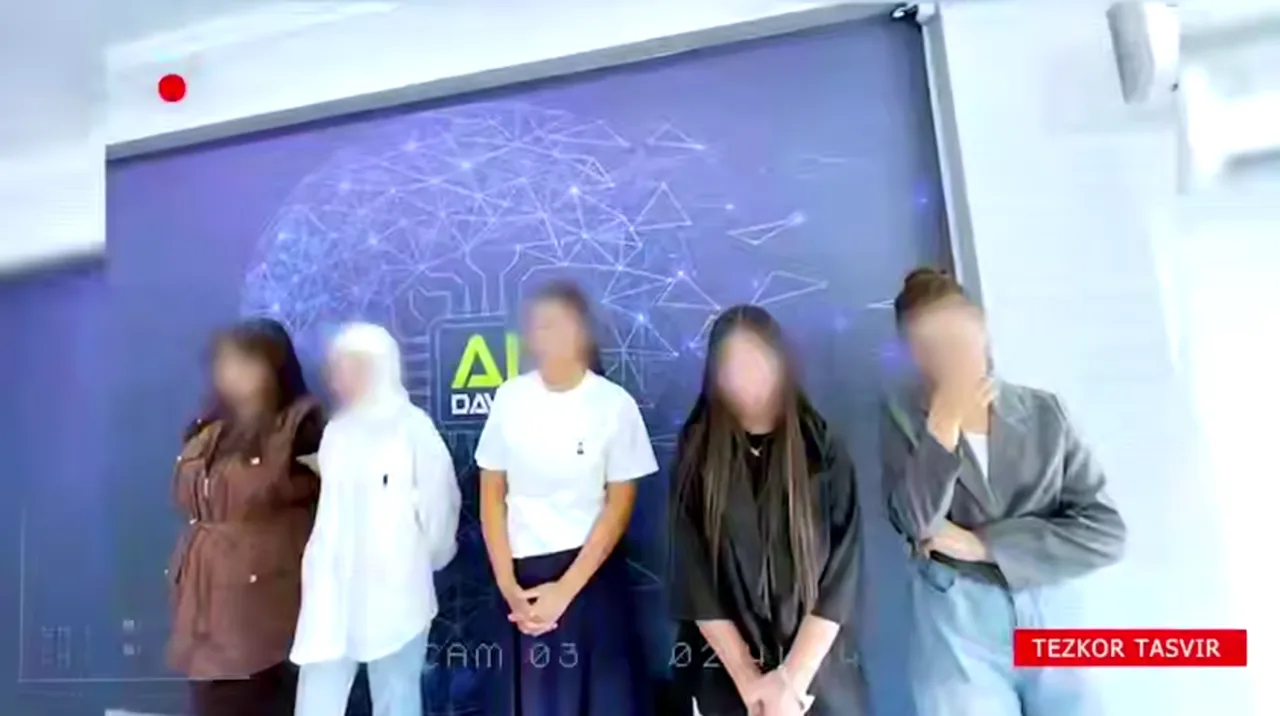
An organized network of fraudsters who gained the trust of hundreds of citizens and scammed them over the phone in Tashkent has been exposed and detained by internal affairs and cybersecurity officers. Investigations revealed that the criminal group operated secretly in a specially equipped "cyberbunker," where 5 female operators made non-stop calls.
Using the names of fake online stores on social networks, the fraudsters called citizens telling them, "you have won a promotion," and embezzled their money under various pretexts. According to official data, so far more than 110 naive citizens have fallen victim to these false promises and suffered serious financial damage. Operational footage shows that the detained individuals have been brought in for investigation and a criminal case has been opened regarding the incident.
“Secret bunker, 5 operators, and the fake promotion trap”: 5 key points of the operational raid
The most important official evidence regarding the exposure of the cyber fraud network in the capital:
Special secret "cyberbunker": The fraudsters operated by setting up an illegal call center in a remote and closed apartment;
5 operators detained: During the operational measure, 5 female operators engaged in deceiving citizens were caught red-handed;
“You won the promotion” trap: Criminals scammed people through false news about fake prizes and winnings;
Over 110 victims: Official investigations confirmed that at least 110 citizens suffered losses from this fraud scheme;
Disguise of fake online stores: Network members operated under the names of fake internet stores opened on social networks.
Description of the “Cyberbunker” fraud scheme and law enforcement agencies' operational measures
Analysis of the criminal group's modus operandi, victim coverage, and investigative status:
Analysis criteria and stages | Criminal scheme of the fraudsters' group | Official measures of law enforcement agencies |
Recruitment and deception method | Making phone calls with the message "You have won a valuable promotion!" | Officially warning citizens against fake winnings and calls |
Location of the crime | Specially disguised "cyberbunker" (illegal call center) | Locating the bunker address through operational search and raiding it |
Composition and number of perpetrators | 5 female operators (call managers) | Detaining all 5 members of the group with physical evidence |
Disguise used | Fake online store accounts on social networks | Blocking fake pages and conducting expert examinations of digital traces |
Scale of victims | Over 110 deceived citizens who suffered financial damage | Accepting applications, calculating damage amounts, and compensation measures |
Legal consequence and measure | Misappropriating citizens' plastic cards and cash | Initiating a criminal case, court proceedings, and imposing long-term punishment |
Criminological and cybersecurity expertise: Why do citizens believe such fake “promotions”?
Conclusions from cybersecurity specialists, investigators, and psychologists:
“Euphoria of unexpected winnings and manipulation”: Fraudsters skillfully exploit human interest in free gifts and haste; when a person is told "you have won a big prize," their logical analysis weakens; then, by extracting "delivery fees," "taxes," or "bank verification codes," all of the person's money is drained;
Secret of bank data is absolutely inviolable: No legal promotion or real store requires a card number, its expiration date, or an SMS code received on the phone to award a prize; telling these secrets to a stranger is tantamount to handing your money to a thief with your own hands;
Exposure of “bunkers” is a serious result: The destruction of this secret center in Tashkent shows that a new stage has been reached in the fight against cybercrime; now, mechanisms for operational detection of phone fraudsters who hide in apartments while disguised online are working effectively.
Have you or your family members ever received suspicious calls from unknown numbers saying "you won in a promotion" or "you have a gift"? In your opinion, what other strict measures need to be taken to prevent such phone fraudsters and warn naive people? Leave your personal experience and feedback in the comments and share this warning analysis with your loved ones so they don't fall into the fraudsters' trap!



Comments 0
…