


Russian scientists develop plan to study Apophis asteroid
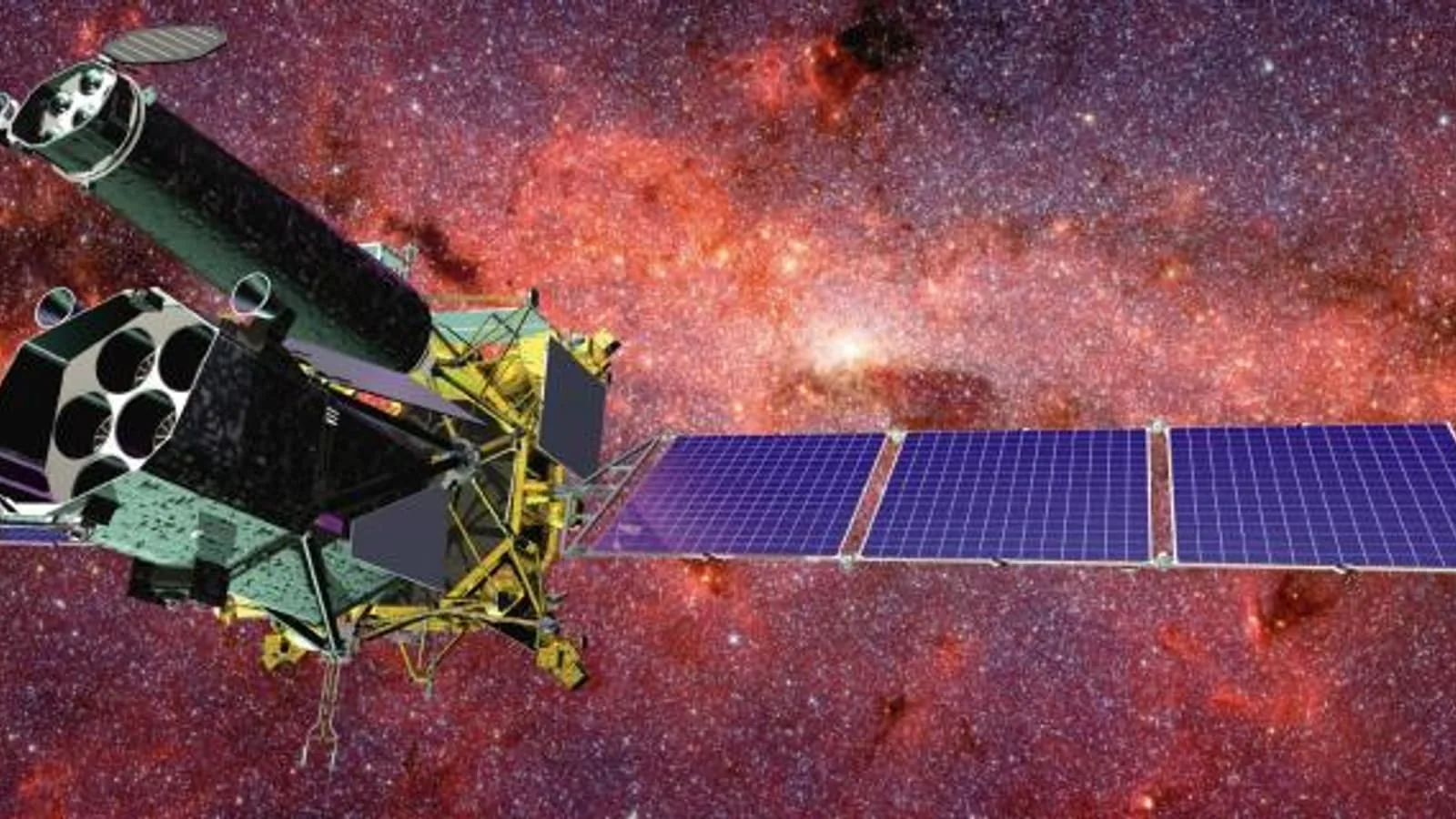
Russian scientists have proposed using the Spektr-RG space observatory to study the asteroid Apophis, which will fly past Earth at a close distance in April 2029. The project, prepared by specialists from Samara University and the Space Research Institute of the Russian Academy of Sciences, allows the mission to be carried out with minimal costs without creating a new interplanetary spacecraft. Ixbt.com reports on this.
The asteroid Apophis is expected to pass approximately 30,000 kilometers from the Earth's surface in 2029. According to the scenario modeled by scientists, the most optimal variant in terms of fuel consumption is to direct the Spektr-RG device for flight on September 13, 2028.
After a series of maneuvers, the spacecraft could fly past the asteroid at a distance of 18,000 kilometers from its center on April 13, 2029.
The authors of the project emphasize that this approach serves to effectively utilize existing technology. After the observatory completes its task and transmits the data to Earth, it can return to its primary operations if necessary.
This would be significantly cheaper than launching a specialized new spacecraft. Additionally, scientists have calculated an option to approach the asteroid within several hundred kilometers, but this would require more trajectory corrections.



Comments 0
…