


“Berlin format” in Munich: new decisions for Ukraine are ripe
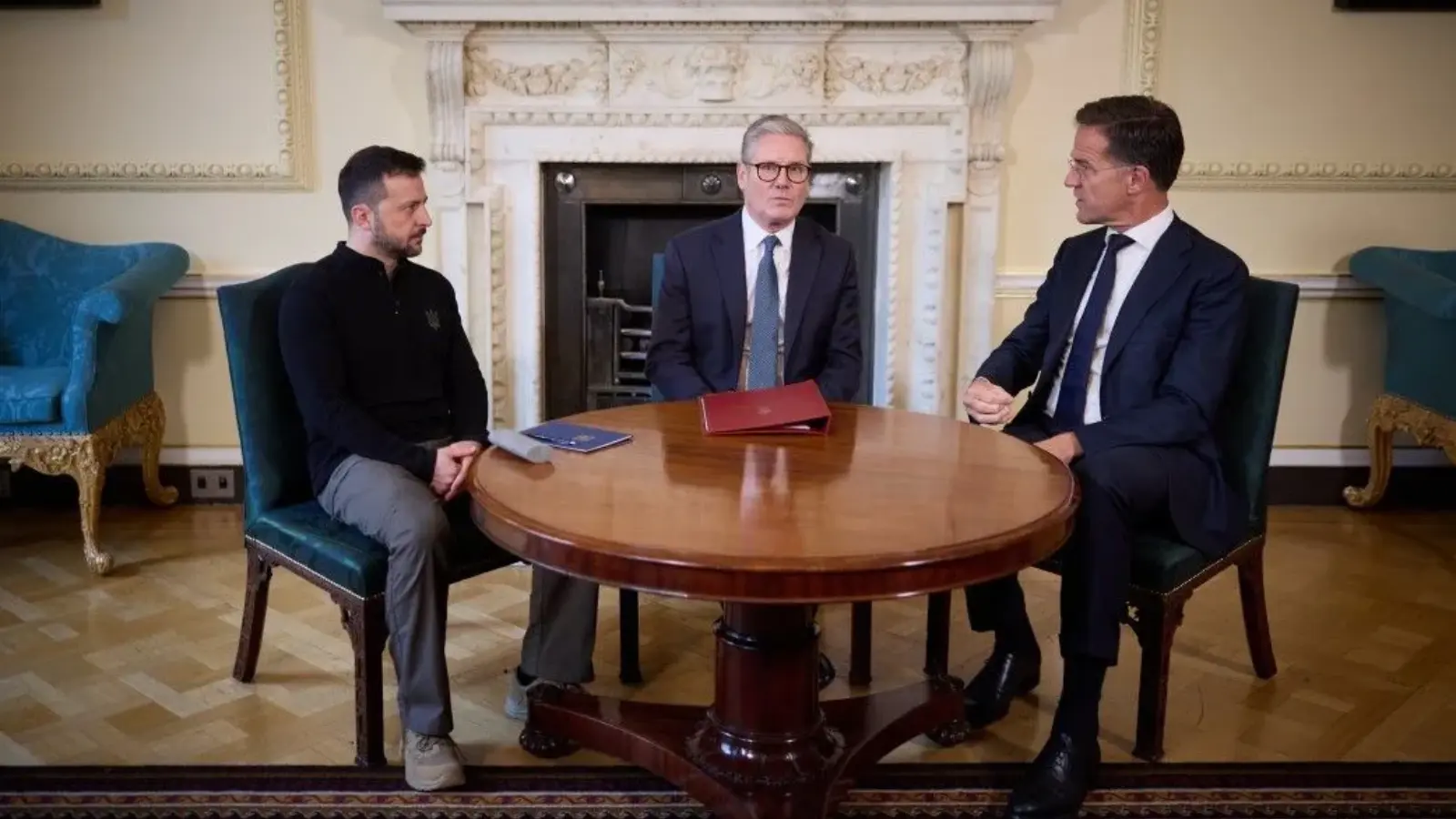
On February 13, the Munich Security Conference in Munich hosted another important political meeting: Volodymyr Zelensky discussed the current situation with European leaders and NATO leadership within the framework of the so-called "Berlin format" dialogue. It was noted that Friedrich Merz, Keir Starmer and Mark Rutte, among others, participated in the meeting.
The spirit of the meeting is understandable: against the backdrop of the war started by Russia, European security is living with the question "what will happen tomorrow?" That is why the parties focused on security guarantees, continued assistance to Ukraine, and coordination of further steps.
Drone cooperation moves from “words” to “actions”
Ahead of the Berlin format discussions, Zelensky, together with Boris Pistorius, took a concrete step forward on the joint German-Ukrainian drone production project: Zelensky received the first manufactured attack drone, which was said to be a sign that the cooperation line in Europe is “working.”
The signal here is clear: assistance to Ukraine is not just a “package” or a “statement” - it is also production, technology and speed. So, in the coming months, such joint projects in Europe may increase.
A new round is planned in Geneva
According to the Kremlin, the next round of talks is planned in Geneva on February 17-18 with the participation of representatives of Ukraine, Russia and the United States. The Ukrainian side also said that it is ready for this round.
An important point: it is worth noting that the two rounds in Abu Dhabi before these meetings did not give a major “turning point.” There is no major agreement after the talks in Abu Dhabi - so it is too early to expect a scenario in Geneva that says "everything is resolved" soon.
"If it makes sense..." - Europe's cautious position
Against the backdrop of the speeches in Munich, Merz also gave a cautious signal about the possibility of dialogue with Russia: the content was - "if there is real benefit from talking, we are ready for negotiations", but the view remains that Moscow is not showing a serious approach yet.
At this point, there is the most difficult balance for Europe: on the one hand - the desire to stop the war, and on the other - the risk of losing time behind the word "negotiation".
Macron is also preparing "communication channels"
According to informed sources, Emmanuel Macron sent his diplomatic adviser to Moscow last week and began "preparatory work" for the possible resumption of dialogue.
This is another sign: different scenarios are being prepared for the “next stage” within Europe, and not everyone has fully agreed on one path.
Why is the conference so important
The 62nd Munich Security Conference is taking place on February 13-15. According to official data, it will be attended by 1,000+ participants from more than 115 countries, about 60 heads of state and government - so everything said here can turn into real decisions the next day.
Conclusion: The Berlin format in Munich is not a “meeting for a protocol”, but a stage where positions are being gathered ahead of the Geneva talks, where security guarantees and military-industrial cooperation are moving from “paper” to “action”. If something moves in Geneva next week, the talks here may become part of its preparation.



Comments 0
…