


A 5,000-year-old mystery: How did the stones of Stonehenge get there?
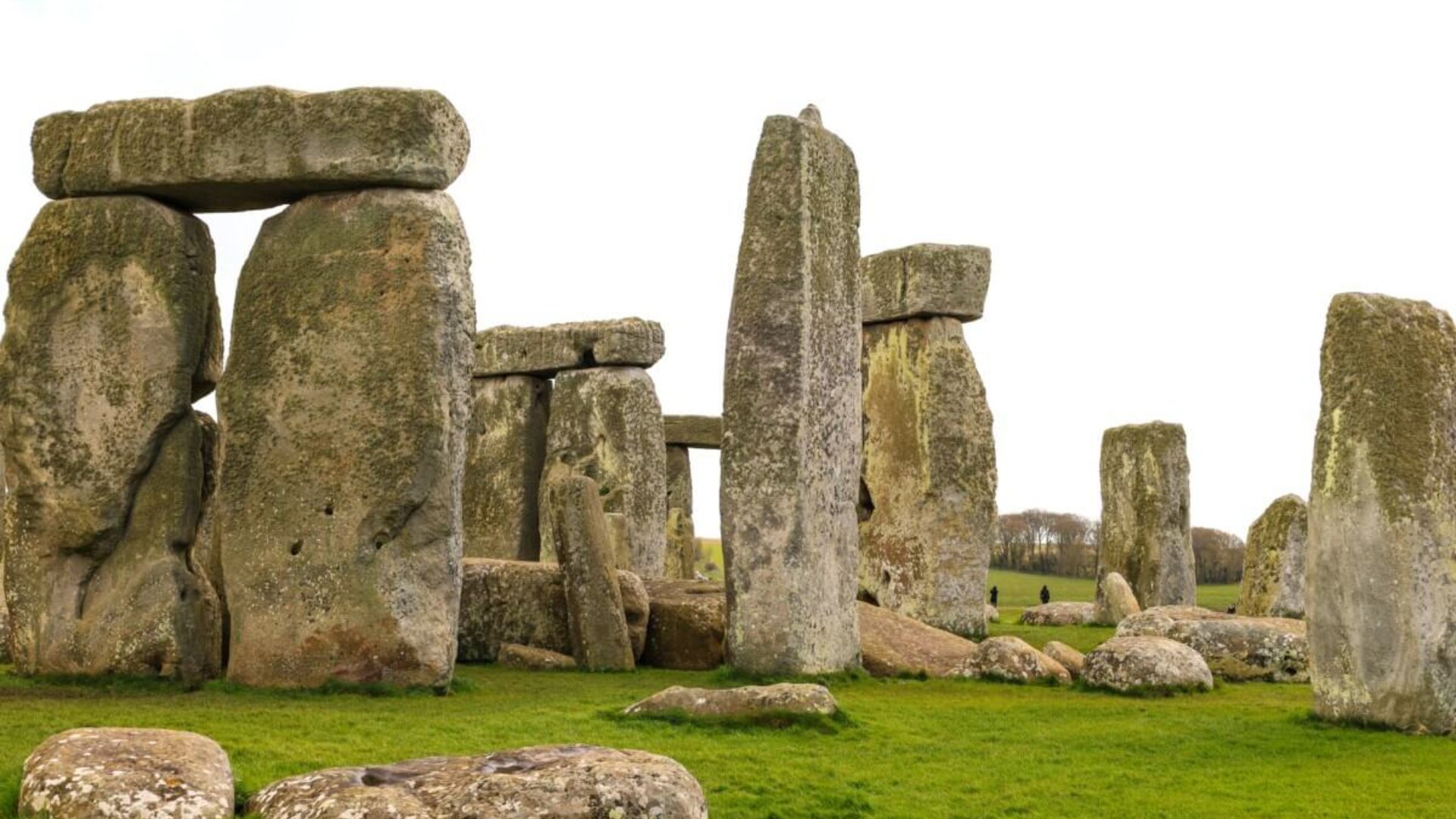
British University of Exeter researcher Dr. Susan Greaney has put forward a new scientific theory about how the massive stones used in the construction of Stonehenge were transported. This was reported by The Independent publication.
The study English Heritage was conducted in collaboration with the organization. Scientists state that Stonehenge, built approximately 5,000 years ago, was initially constructed from bluestones brought from Wales. Several centuries later, they were replaced by heavy sarsen stones.
It turns out that each of these stones, weighing nearly 25 tons was brought from the Marlborough Downs area, located approximately 24 kilometers away from the monument. By analyzing historical photographs taken in Indonesia about a century ago, scientists concluded that the megaliths may have been transported using special wooden tracks—a type of rail system.
Dr. Susan Greaney says that previously, the prevailing view was that the giant stones were moved using wheeled sledges. However, new evidence casts doubt on this theory. She believes it is highly probable that the builders of Stonehenge used wooden rails in swampy and difficult terrain.
Researchers estimate that Neolithic people possessed sufficient woodworking skills to build such structures. The length of these tracks is estimated to have been approximately 4.8 kilometers.
Experts also emphasize that many men and women participated in the stone-moving efforts. This idea is supported by traces of large feasts found in the Durrington Walls area, where the builders lived. Today, English Heritage manages Stonehenge, one of the world's most famous historical monuments, which is visited annually by more than 1 million tourists.


Comments 0
…