


Working 3 days and resting 4 days a week: German Chancellor proposed a new work schedule
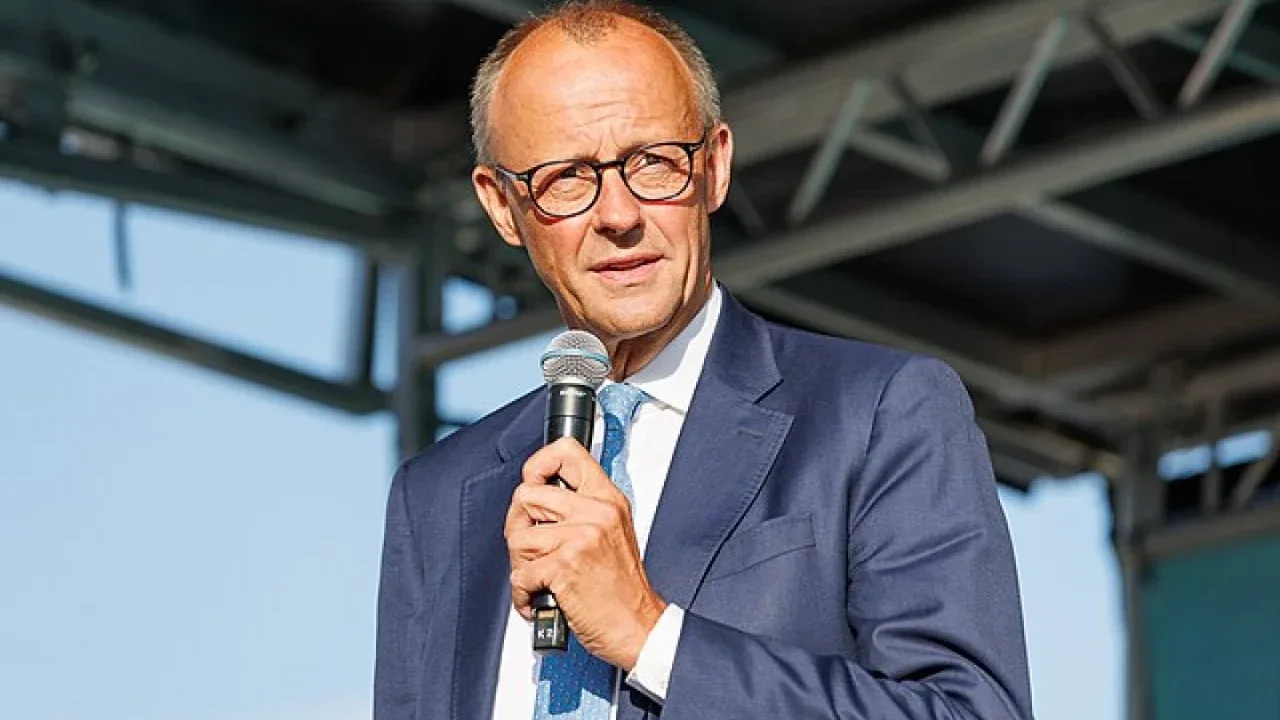
German Chancellor Friedrich Merz expressed his support for a model of working 12 hours a day for 3 days a week, leaving the remaining 4 days completely free for rest, in order to increase flexibility in the labor system and create new opportunities for employees. The chancellor stated that he is in favor of the swift adoption of a new bill that envisions setting the maximum limit of working hours on a weekly rather than daily basis.
According to a report by DW, speaking on October 13 in Berlin at the "Employers' Day" conference organized by the Confederation of German Employers' Associations (BDA), Merz emphasized the need to adapt labor relations to the demands of the times.
"Working 12 hours straight for 3 days means more time for family"
In his speech, the chancellor drew attention to international practices and called for a revision of outdated views on long working hours:
Experience of international companies: "There are international enterprises where people work 12 hours in a row. You work three times a week like that, and then — that's enough, the remaining days are allocated for rest," said the German leader;
Convenience, not exploitation: Merz noted that automatically assessing working more than 8 hours a day as exploitation is wrong, and that such a flexible schedule allows employees to conveniently distribute their time and spend more time with their families;
Transition from daily limits to weekly ones: According to the draft law being prepared, the daily limit on working hours will be abolished, and a maximum weekly limit will be introduced. This will pave the way for each enterprise and employee to create an individual schedule suited to them.
Freedom of contracts and the dismissal system for executives
The chancellor initiated not only changes to working hours, but also the easing of other bureaucratic restrictions in labor legislation:
Fixed-term contracts: It is proposed to grant employers broader rights and freedom in concluding fixed-term employment contracts with employees;
The issue of top managers: It is envisaged to significantly simplify the process and procedure for dismissing top-level executives (managers).
Reforms under the responsibility of the new minister
This important labor legislation and the expected pension reform will be finalized by the newly appointed leadership of Germany:
New minister appointed: On October 13, German President Frank-Walter Steinmeier officially appointed Alexander Schweitzer, who previously headed the government of the state of Rhineland-Palatinate, as the Minister of Labor and Social Affairs;
Resignation of the former minister: Former minister Bebel Bas had announced that she was unable to fully perform her duties due to severe personal circumstances, and left her ministerial post and the co-chairmanship of the Social Democratic Party starting October 12.
If this bill is approved by parliament, Germany is expected to become one of the countries in the European Union with the most flexible and free-flowing workweek.



Comments 0
…