


Japan officially prepares to establish an army and hold a referendum
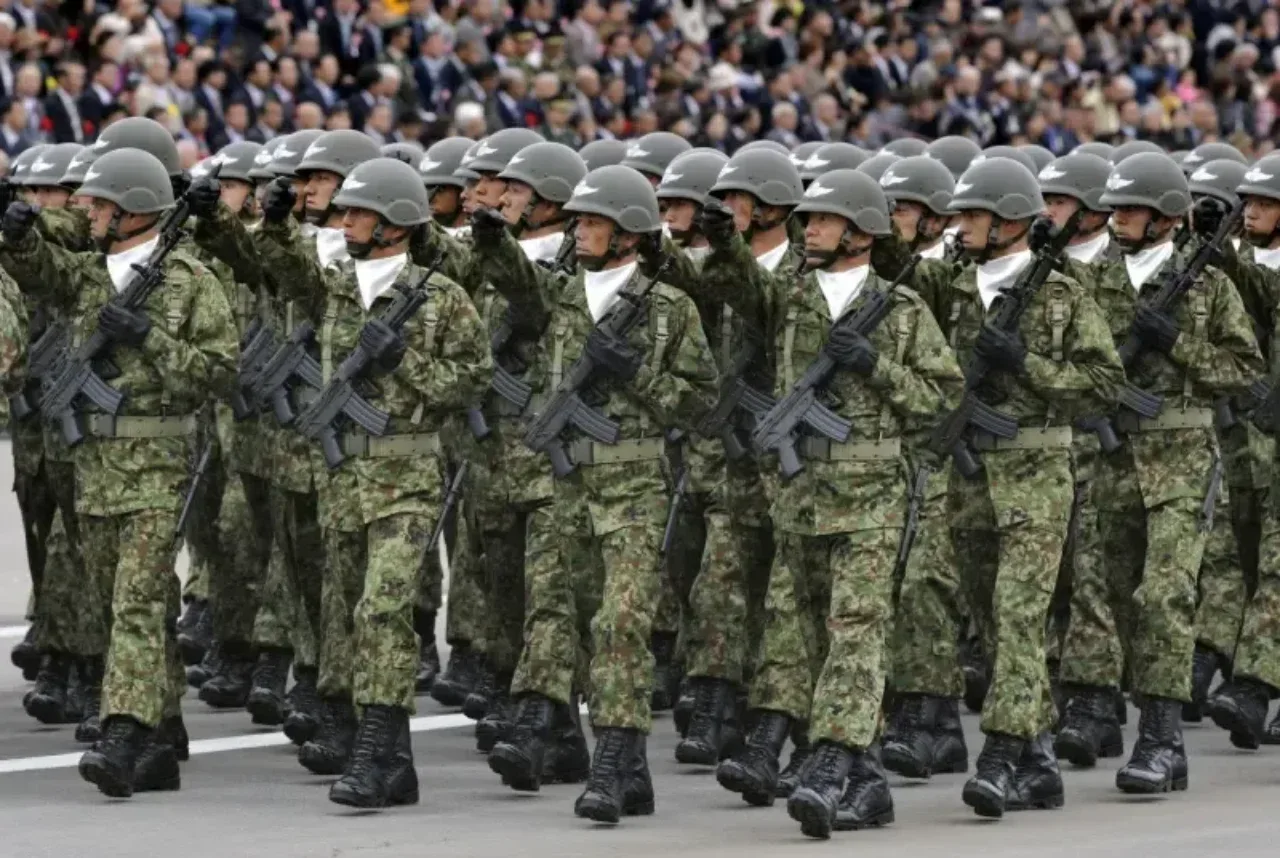
For the first time in history, the Constitution of Japan, which has remained unchanged since the end of World War II, is on the threshold of serious reforms. The ruling coalition in Tokyo has begun formal consultations to resolve differences and reach a single consensus on revising the country's pacifist Article 9.
According to Kyodo News, Japanese Prime Minister Sanae Takaichi intends to fully formalize this important parliamentary initiative by February 2027.
Debate in the ruling coalition: How will Article 9 change?
Parties within the government are putting forward two different approaches regarding the status of the army:
Liberal Democratic Party (LDP) proposal: The main force led by Prime Minister Takaichi proposes to keep Article 9 in general terms, but add a separate clause giving official legal status to the de facto operating "Self-Defense Forces";
"Japan Innovation Party" demand: The junior partner in the Cabinet is choosing a more radical path — they favor completely deleting paragraph 2, which prohibits having land, sea, and air forces, and introducing the concept of the "National Defense Army" into the constitution;
Current ban: According to the current Article 9, the Japanese people forever renounce war and the settlement of international disputes by armed force, and the state's right to wage war is not officially recognized.
"Police on paper, powerful army in practice"
Although official legislation states that Japan cannot have an army, the reality has already reached the level of a global military power:
Modern fleet and aircraft carriers: Although Tokyo's "Self-Defense Forces" are theoretically considered a type of police, they possess a powerful military fleet that will soon be supplemented by two light aircraft carriers;
5th generation fighters and long-range missiles: The modern air force is armed with fifth-generation aircraft, and mobile ground-to-ground missiles with a flight range of 1,000 kilometers were recently added to the arsenal of the ground forces.
The referendum hurdle: Will changing the constitution be easy?
The process of implementing the changes consists of extremely complex legal stages:
The 2/3 parliamentary vote barrier: According to the legislation, the consent of at least two-thirds (2/3) of the deputies of both houses of parliament is required to amend the constitution;
Political balance: As a result of the elections in February 2026, the LDP won more than two-thirds of the seats in the key lower house, but the party does not even have a simple majority in the upper house;
Historical referendum: Following parliamentary approval, this fateful issue must be submitted to a nationwide referendum — such a referendum has never been held in the history of Japan.



Comments 0
…