


New step taken to increase media openness in the judicial system
Quick readAI-generatedShow
- A new initiative has been launched to enhance media transparency within the judicial system of Uzbekistan, aimed at fostering public trust.
- In collaboration with the Academy of Justice, a two-day training course titled "Media Communication and Crisis Management" has commenced for court staff and judges.
- The program focuses on improving communication between the judiciary and media, teaching participants how to effectively convey court activities, collaborate with bloggers, and manage information accurately.
- Additionally, the course addresses the balance between transparency and the presumption of innocence, while also exploring the use of artificial intelligence technologies in media communication.
Reforms aimed at ensuring openness and transparency in the judicial system and strengthening public trust are consistently continuing in our country. To this end, an important educational initiative has been launched at the Academy of Justice in cooperation with the Center for Content Preparation for Mass Media.
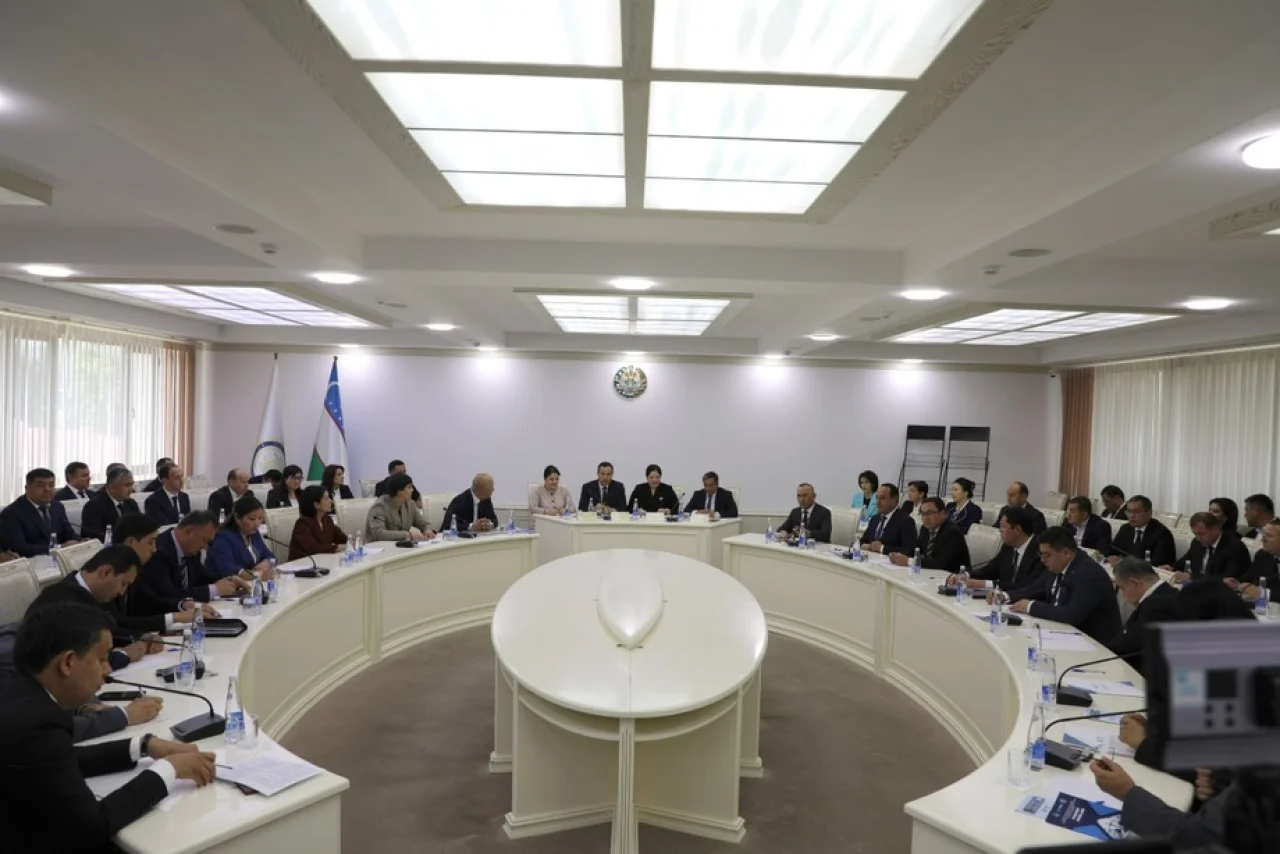
It is reported that a special two-day training course titled "Media Communication and Working in Crisis Situations" has commenced for information service employees of judicial bodies and judges. This program aims to bring the dialogue between the judicial system and the media to a new level.
Within the framework of the training and practical sessions, participants are being taught essential skills such as the correct and objective coverage of judicial activities in the mass media, establishing effective cooperation with bloggers, and delivering information promptly and accurately. At the same time, special attention is being paid to maintaining the balance between openness and the presumption of innocence, as well as the sense of media responsibility.
During the program, practical exercises are being organized on analyzing critical materials, effectively managing official information channels, and conducting correct and rapid communication in crisis situations. This will serve to help judicial personnel work effectively in the modern information environment.
Additionally, participants are mastering skills such as creating modern media texts, communicating court decisions to the public in simple and understandable language, delivering impactful speeches during live broadcasts and interviews, and managing reputational risks. Notably, the possibilities of using artificial intelligence technologies have also been included in the course program.
According to experts, this training course serves as an important practical platform for forming an open, reliable, and effective dialogue between the judicial system and the public.
It is worth noting that this training program will continue tomorrow, providing participants with further new knowledge and experience.



Comments 0
…