


Why do the personalities of the eldest, middle, and youngest children differ completely?
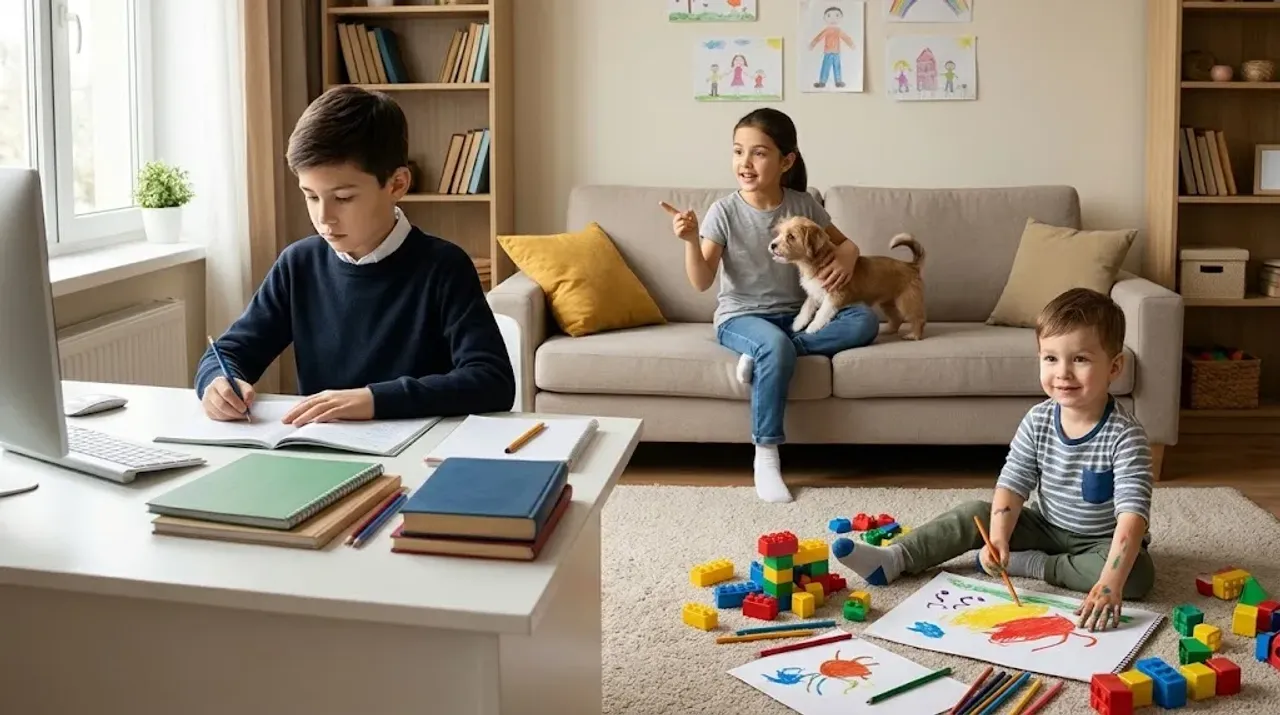
The temperament, worldview, and attitude toward life of children raised in the same household by the same parents sometimes turn out to be completely opposite.
Psychological research shows that one of the main reasons for this difference is the birth order of the child in the family and the parents' psychological attitude toward them. Birth order determines the childhood environment, the level of responsibility carried, and the formation of the personality.
The Eldest Child: Perfectionist and Demanding Leader
The firstborn of the family usually grows up under the parents' greatest attention and high expectations:
Strict control and discipline: Since parents are still inexperienced in raising their first child, they apply all rules and demands to them to the maximum extent;
Perfectionism and responsibility: As a result, the eldest child grows up to be a perfectionist, extremely demanding of themselves and others, and disciplined;
Professional inclination: For this reason, experts recommend choosing eldest children precisely for military fields, precise calculations, thoroughness, and positions requiring high responsibility.
The Middle Child: Adaptable Manager and Skillful Diplomat
Children who find themselves in the middle between the oldest and the youngest stand out for their unique adaptability:
Balance keeper: The middle child constantly interacts with both older siblings and younger brothers and sisters, always playing the role of a compromiser (diplomat) in the family environment;
Managerial ability: They grow up learning to find common ground with both sides and harmonize relationships. According to experts' observations, it is this environment that develops the strongest sense of management, negotiation, and compromise in complex situations among middle children.
The Youngest Child: Unlimited Freedom and Creative Innovation
The psychological climate in which the youngest member of the family grows up takes on a completely different character:
Absence of pressure: By the time of the youngest child, parents become much more relaxed in upbringing, and the level of strict control and demands decreases significantly;
Free thinking: Growing up in freedom without excessive pressure, younger children tend to think outside the box (creativity). They can put forward unimaginable ideas and speak out surprisingly freely;
Creativity: Due to fewer restrictions, brilliant personalities who are creative, innovative, and unafraid of risk emerge more often among the youngest children.
In conclusion, the natural hierarchy in the family is an invisible force that builds the foundation for children's future professional direction and personality.



Comments 0
…