


Airbus is changing the future of aviation: A new 'nervous system' for aircraft is being created
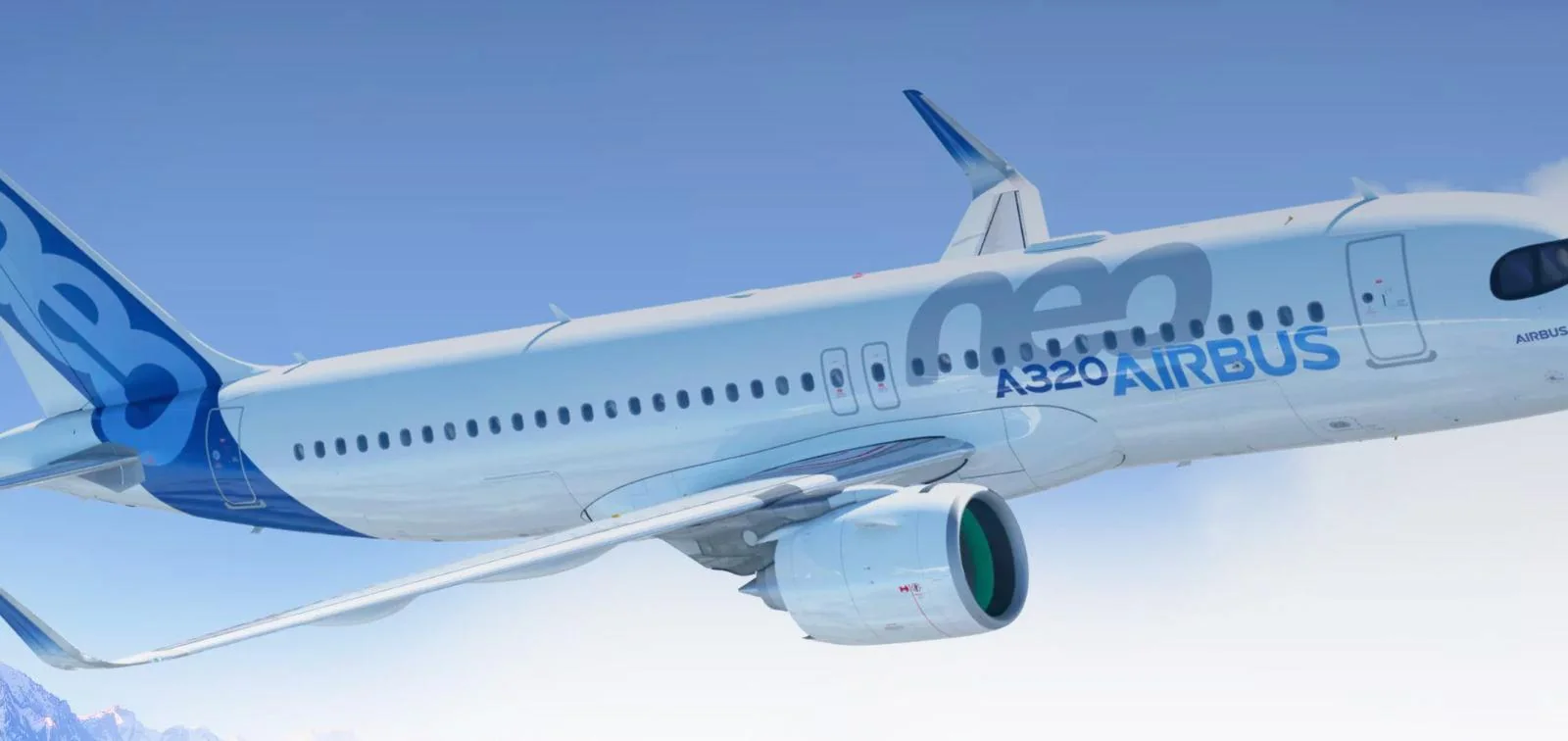
Airbus, one of the leaders in the aviation industry, has announced a new phase of the LEIA (Large Scale Integration Demonstrator of Hybrid Electrical Architecture) program, aimed at fundamentally redesigning passenger aircraft. Within the framework of this project, a hybrid-electric power architecture for future-generation aircraft will be developed and tested. This is reported by Ixbt.com reports .
While most similar projects focus solely on creating new engines, Airbus engineers are placing primary emphasis on creating an 'electrical nervous system' for the aircraft. This system integrates generators, batteries, power electronics, and intelligent control mechanisms into a single high-voltage network. This technology is expected to dramatically increase the efficiency of future regional and medium-haul airliners.
A new phase of hybrid technologies
The new phase is a logical continuation of the previously implemented SWITCH program. In it, giants such as Pratt & Whitney, Collins Aerospace, and MTU Aero Engines successfully tested individual components of hybrid power units. Now, Airbus is taking on the task of integrating these disparate technologies into a single complex.The main testing work will take place at the STEP research center in Ottobrunn, Germany. Engineers will verify the harmonious operation of batteries and generators, as well as how effectively energy distribution communicates with other onboard systems. The main goal is to ensure that all elements function flawlessly as a single high-voltage energy system.
According to Airbus, the first large-scale ground demonstration of the new architecture is scheduled for 2027. Although the LEIA project does not aim to create a fully electric aircraft, it is considered one of the most important steps toward the transition to hybrid aviation. This approach will allow for reduced fuel consumption and a significant decrease in harmful atmospheric emissions.
International cooperation and environmental goals
The project's scope is vast, involving over a dozen European and US companies, including Safran, Liebherr Aerospace, SAFT, and the Fraunhofer Institute. Such large-scale cooperation will accelerate the introduction of eco-friendly and cost-effective technologies in the aviation sector.- Intelligent management of energy distribution;
- Ensuring the safety of high-voltage systems;
- Reducing weight and increasing power;
- Minimizing negative environmental impact.


Comments 0
…