


Strict Restriction on State Institutions' Activities: Establishment of New Institutions Prohibited
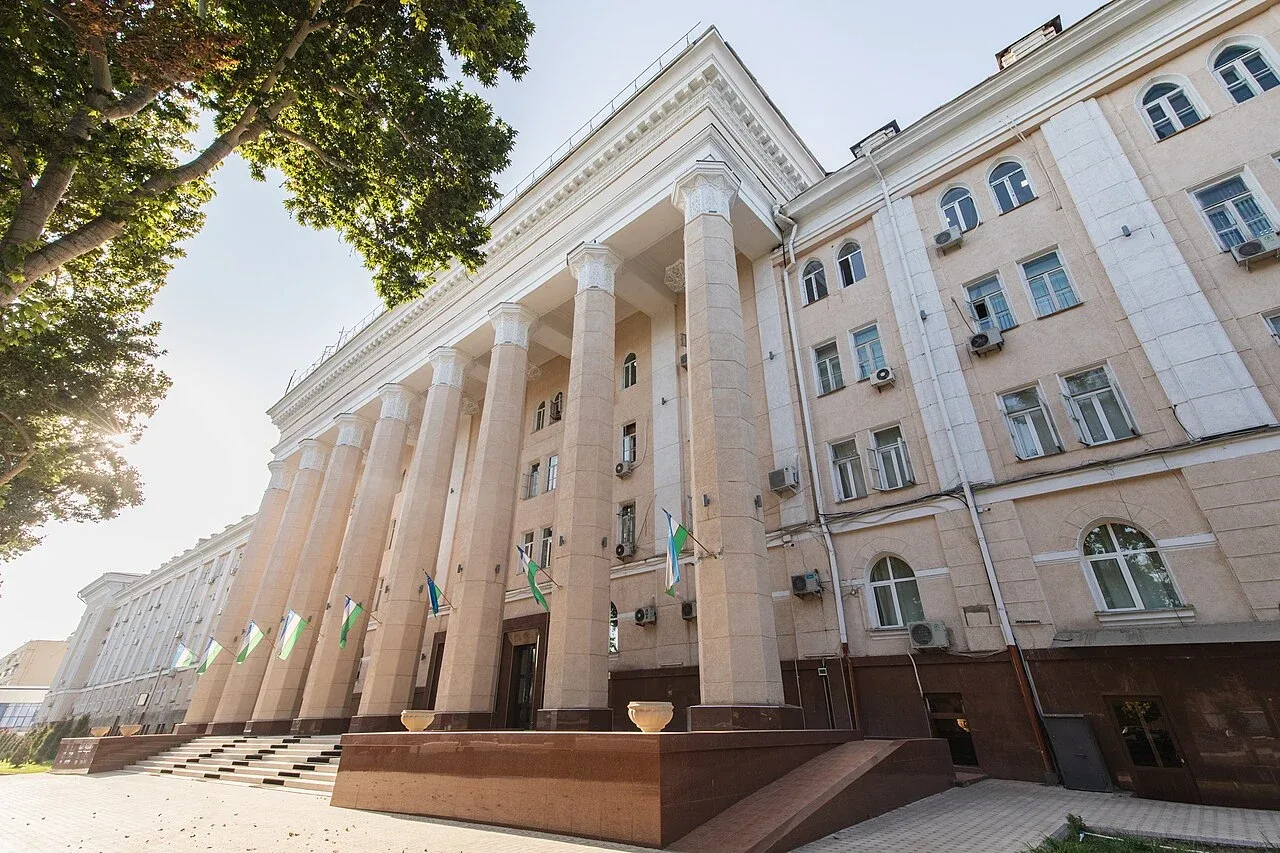
In Uzbekistan, a new period of large-scale reforms has begun aimed at reducing state participation in the economy, strengthening a healthy competitive environment, and ensuring the free operation of the private sector. Under a newly approved presidential decree, it was determined to fundamentally reorganize state institutions operating in commercial directions and place a strict restriction on the opening of new institutions in sectors where competition already exists. At the same time, non-core assets within state enterprises will be put up for public auction, and ready-made investment projects will be developed for entrepreneurs using artificial intelligence. So, which state organizations will be converted into joint-stock companies or limited liability companies, who are the restrictions not applicable to, and what new relief is being introduced in privatization? At the end of the article, we will reveal the main intrigue — the new requirements for securities coming into force from October 1 and all the details of the document.
Conclusion and New Bans for Commercial Institutions
In order to streamline state administration and prevent monopolies in the market, a number of mandatory requirements are being introduced:
Deadline until December 1, 2026: All state institutions engaged in commercial activities must be fully converted into business partnerships and companies (LLCs or JSCs) by the specified deadline;
Exceptional categories: State organizations performing tasks consisting exclusively of public administration, socio-cultural spheres, or non-commercial functions will remain in their previous status;
Ban on opening new institutions: The establishment of new state institutions that do not receive funds from the State Budget in any sphere where a competitive environment exists is officially prohibited (except for defense, state security, and cases specified in Presidential decrees);
Non-core institutions to auction: All non-core organizations operating in the form of institutions within the system of large enterprises with state participation will be removed from the system, converted into business companies, and put up for public auctions.
"The state should not compete with business. Opening a wide path for the private sector in competitive fields is the only guarantee of economic efficiency," economic analysts emphasize.
Lands in Protection Zones and AI Projects
As part of the reforms, favorable conditions are envisaged for investors and local entrepreneurs:
Privatization of lands in protection zones: If part of the land plot belonging to a privatized facility falls within the protection zone of roads or engineering and communication networks, this will no longer be an obstacle — privatization of the part of the land outside the safety zone as property is fully permitted;
AI-powered "project factory": Commercial banks with a state share will provide entrepreneurs in districts with ready-made business proposals using artificial intelligence technologies. These business initiatives will be implemented primarily on the basis of vacant state property and land plots put up for sale.
Strict Control Starting from October 1
The most important issue of interest to many financial specialists and market participants is the mechanism for increasing the transparency of enterprises with a state share. The most important conclusion is that, starting from October 1, 2026, rights to securities belonging to legal entities in whose statutory fund the state share exceeds 50 percent, as well as subsidiaries in which their share exceeds 50 percent, will be recorded exclusively by the Central Securities Depository. This measure serves to eliminate corruptive factors in corporate governance and completely put an end to the risk of illegal withdrawal of state assets.
In your opinion, how will the privatization and withdrawal from the market of state institutions engaged in commerce affect the quality of services provided to the population? Can business projects presented by banks with the help of artificial intelligence accelerate the development of entrepreneurship in the regions? Leave your thoughts in the comments and share this important economic news with your colleagues and entrepreneurs!



Comments 0
…