


Shavkat Mirziyoyev gets acquainted with the small HPP equipment manufacturing plant project
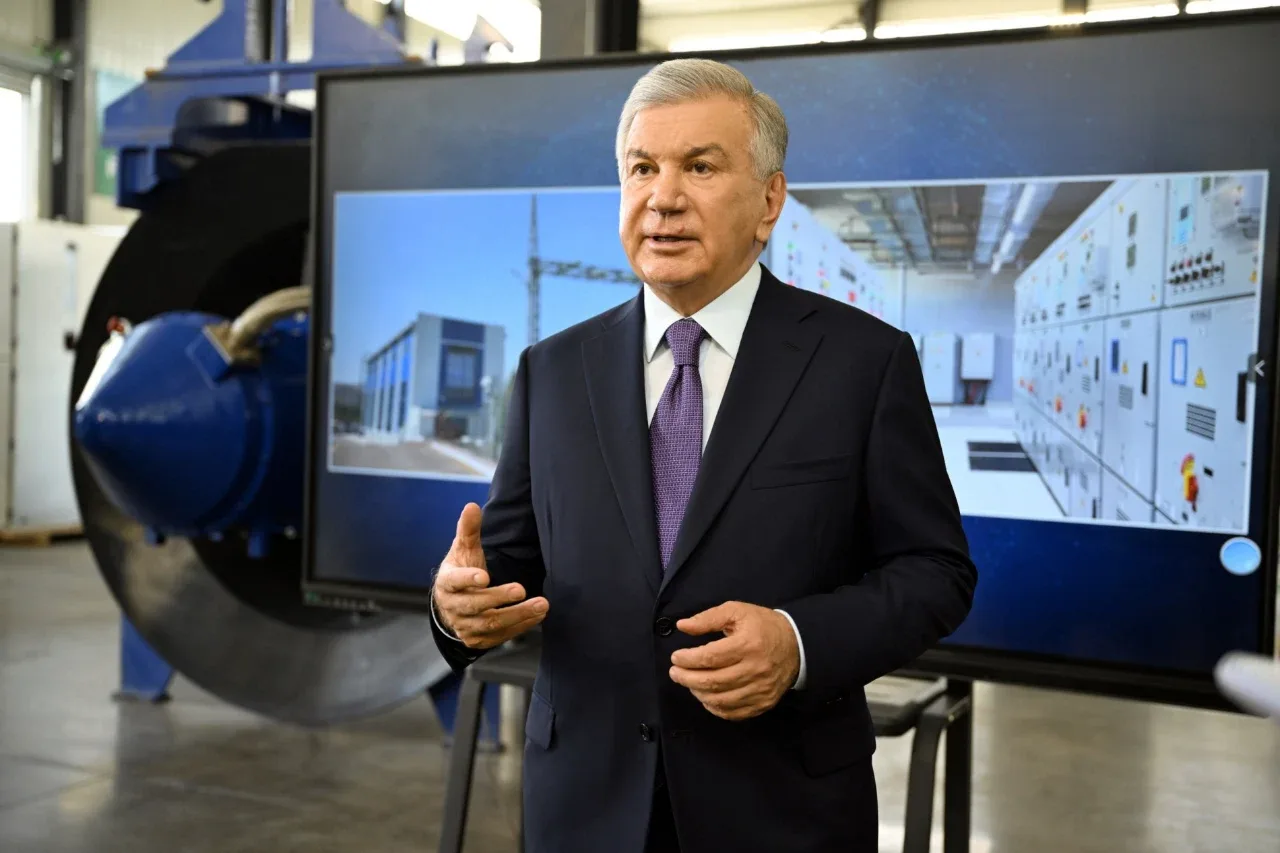
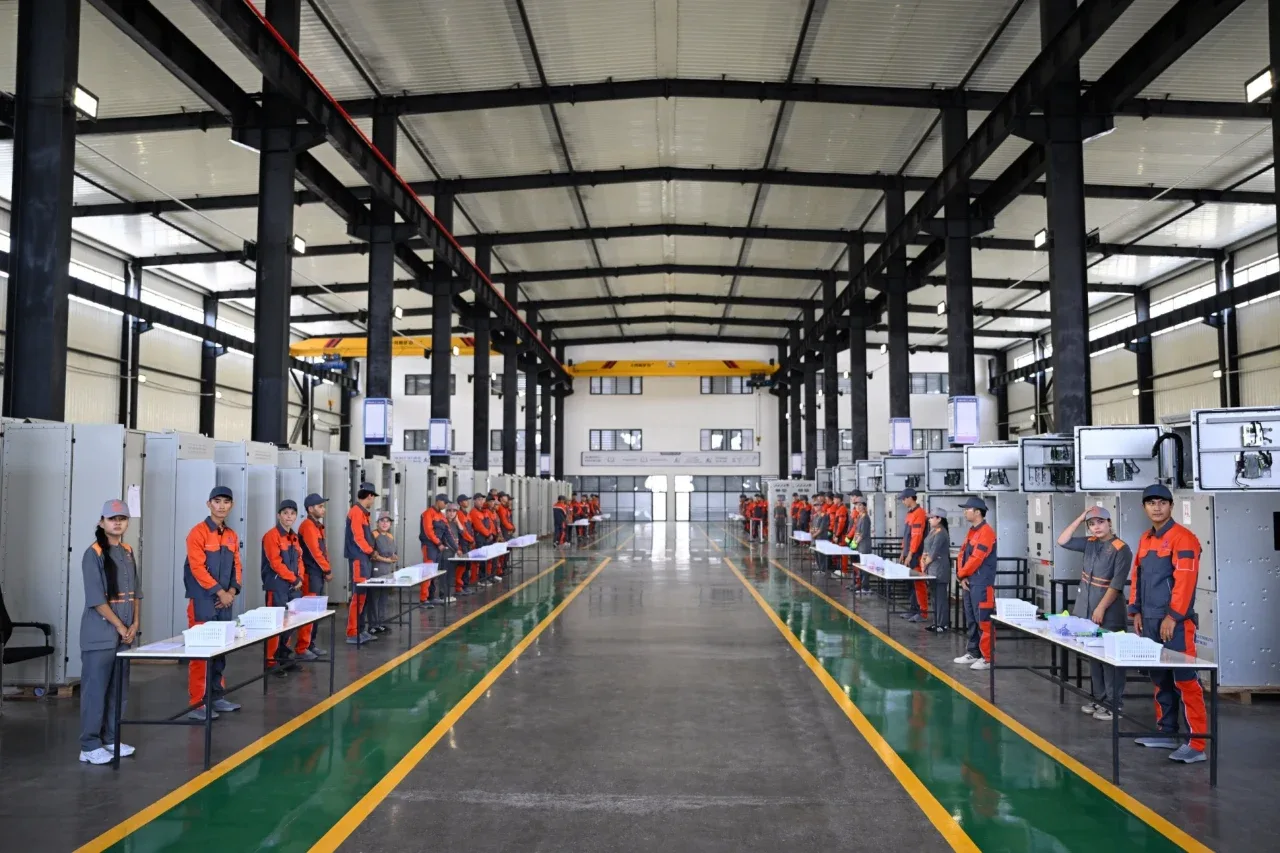
A major industrial project with strategic significance for the entire region, which will make a historic turning point on Central Asia's "green" energy map, is being implemented. During his visit to Andijan region, President Shavkat Mirziyoyev personally reviewed the project of the "Andijan Jinlun New Energy" joint venture, specialized in manufacturing necessary specialized equipment for small and micro hydroelectric power plants (HPPs) in Andijan district. Being built within the framework of the implementation of the Head of State's historic decree dated March 28, 2025 aimed at developing the network of micro hydroelectric power plants, the total cost of this complex amounts to 20 million US dollars and is financed entirely through direct foreign investments.
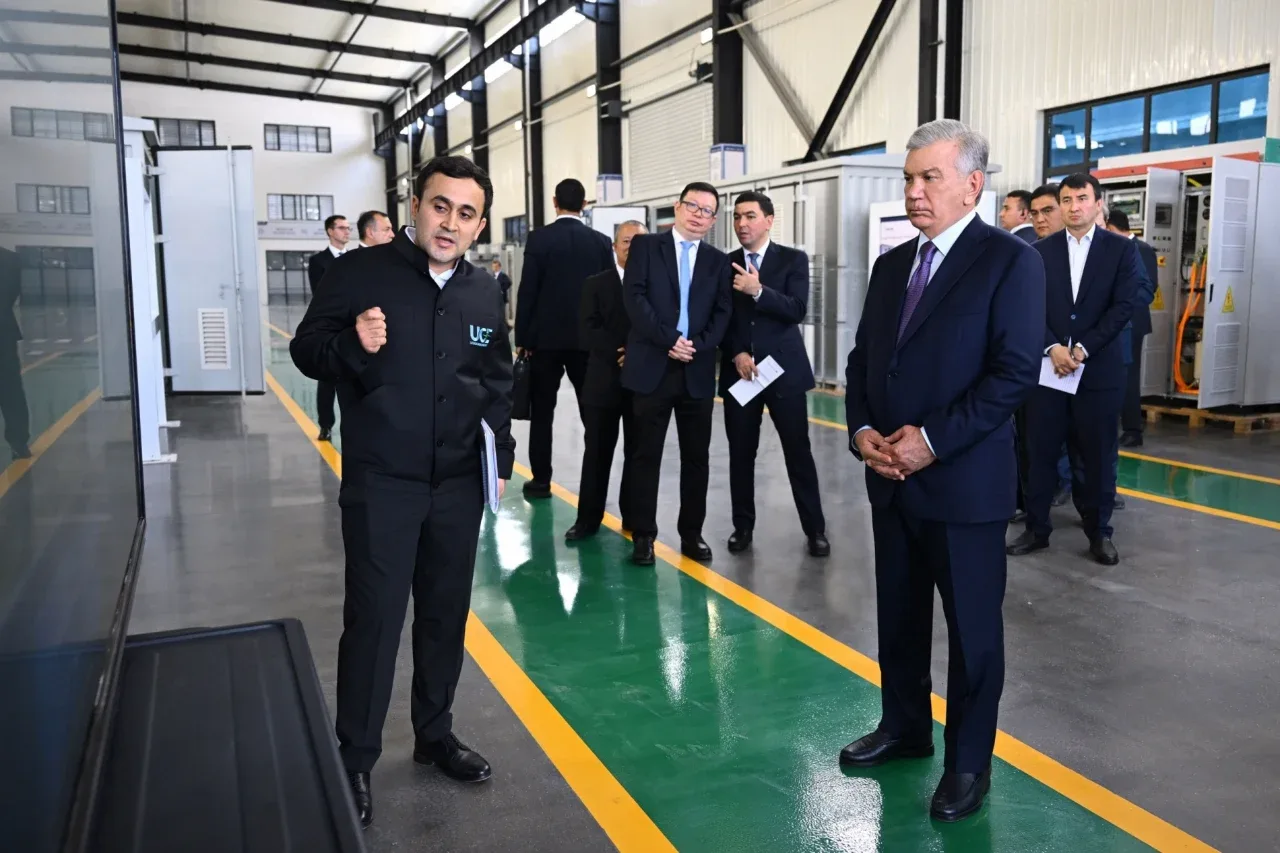
Although the demand for micro and small HPP turbines and units is extremely high in Central Asian countries with endless mountain and water resources, until now there has been virtually no specialized base in the region for the industrial-scale production of such equipment. Scheduled to be launched at full capacity in 2027, the plant in Andijan will produce 100 small HPP complexes worth a total of 70 billion soms, micro-hydroenergy equipment, and high-precision electrical devices annually. The enterprise will not only cover domestic needs, but also aims to export finished products worth 3 million dollars annually to Kazakhstan, Kyrgyzstan, and Tajikistan.
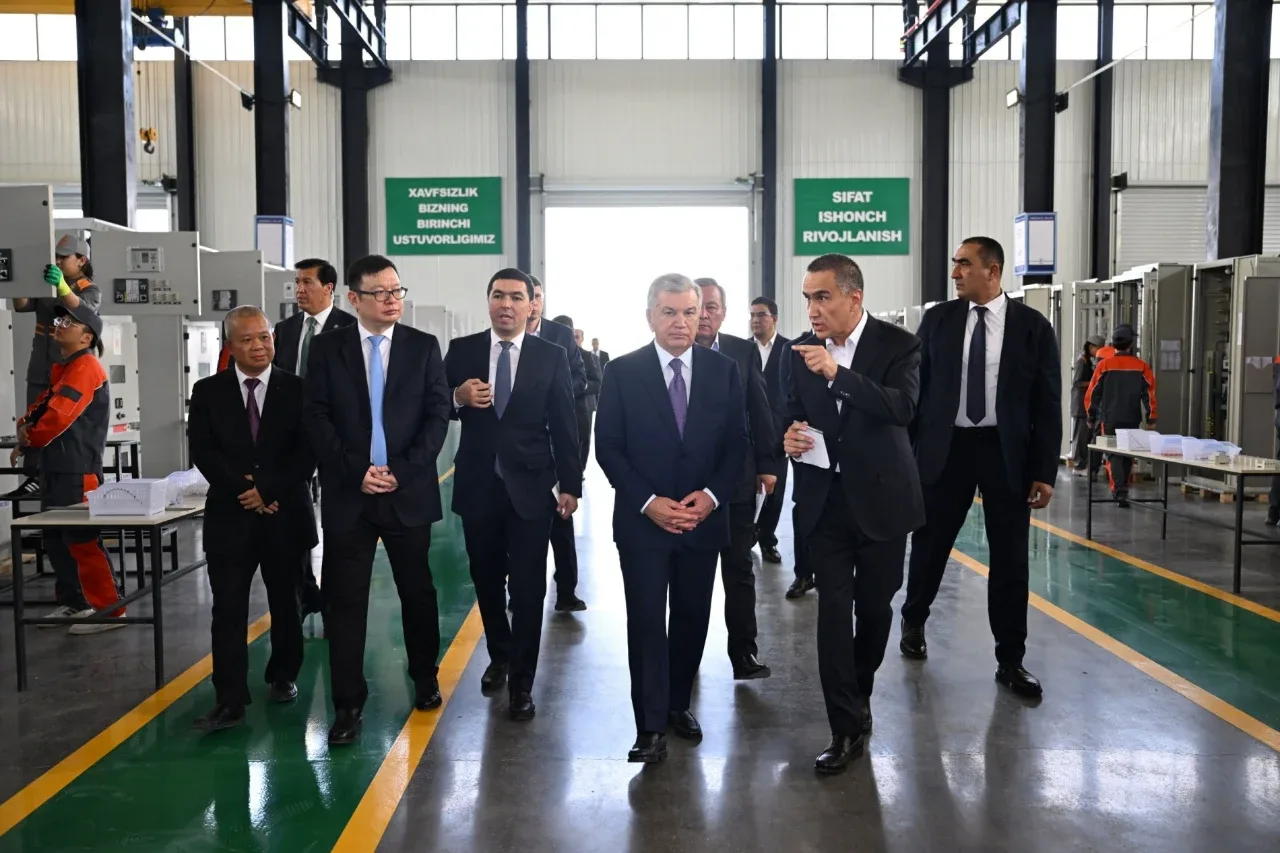
So, how many new micro HPPs will the water resources of the Great Fergana Canal set in motion, how many times cheaper will local generators be compared to foreign alternatives, and can Uzbekistan become a hydropower hub for neighboring mountainous countries?
"20 million dollars, 100 HPPs per year, and regional export": 5 key points of the project
The most important facts and figures from the new hydropower plant in Andijan:
20 million dollars in direct foreign investment: The project is being built with 100% foreign investment attraction;
100 HPP complexes per year: When the plant reaches full capacity in 2027, 100 small HPPs and micro-energy generators worth 70 billion soms will be produced annually;
Ending the deficit in the region: The shortage of industrial-scale hydro equipment in Central Asia will be fully met for the first time precisely in Andijan;
3 million dollars in export: Manufactured HPP equipment will be delivered to Kazakhstan, Kyrgyzstan, and Tajikistan;
New network on the Great Fergana Canal: The enterprise will not limit itself to equipment production, but also undertakes to build a series of new micro HPPs with a stable water flow right in Andijan.
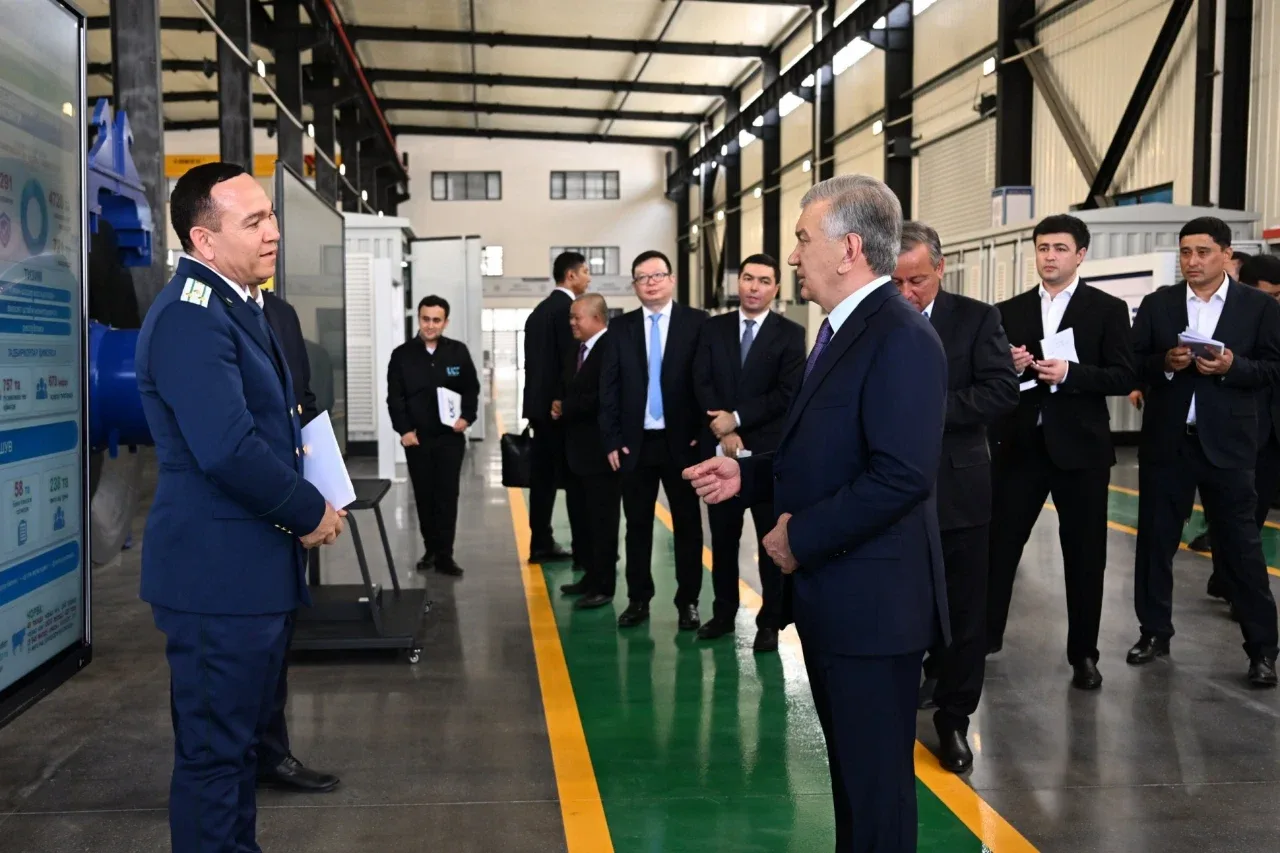
"Andijan Jinlun New Energy" enterprise: Analysis of project parameters and opportunities
Main technical and economic indicators of the new industrial giant:
Criteria and parameters | Official indicators of the project |
Name of the enterprise | "Andijan Jinlun New Energy" |
Type of investment and total cost | 20 million US dollars (100% direct foreign investment) |
Full launch deadline | 2027 |
Annual production capacity | 100 small HPP complexes (worth 70 billion soms) |
Products manufactured | Micro and small HPP turbines, machinery, electrical and generator equipment |
New jobs created | 200 permanent engineering and technical jobs |
Annual export potential | 3 million US dollars |
Main export markets | Kazakhstan, Kyrgyzstan, and Tajikistan |
Local base and water potential | Network based on the stable flow of the Great Fergana Canal |
Strategic advantage | Ecologically clean energy, rapid construction, and low cost |
"Green" energy and economic security expertise: Why is this plant of revolutionary importance?
Conclusions of hydropower engineers and international economic analysts:
Ending import dependence: Previously, micro and small HPP equipment was mainly imported from China, Russia, or Europe with high logistics costs; localization in Andijan will reduce the cost of building small HPPs by at least 30-40 percent and sharply shorten the payback period of projects;
Ready energy resource of the Great Fergana Canal: Water arteries such as the Great Fergana Canal passing through the valley have a continuous flow around the clock; and micro HPPs allow generating stable and uninterrupted electricity from the natural water flow without requiring large dams or reservoirs;
Absolute leadership of the regional market: In countries with huge hydro resources such as Tajikistan and Kyrgyzstan, the demand for small HPPs in electrifying mountain villages and industrial areas is extremely high; the export of finished equipment from Andijan to these countries sharply increases Uzbekistan's position in Central Asian energy integration;
Environmental sustainability and carbon neutrality: Micro HPPs cause no harm to the environment and river fauna, do not cause land flooding, and provide autonomous energy to remote villages and production workshops during the autumn-winter season.
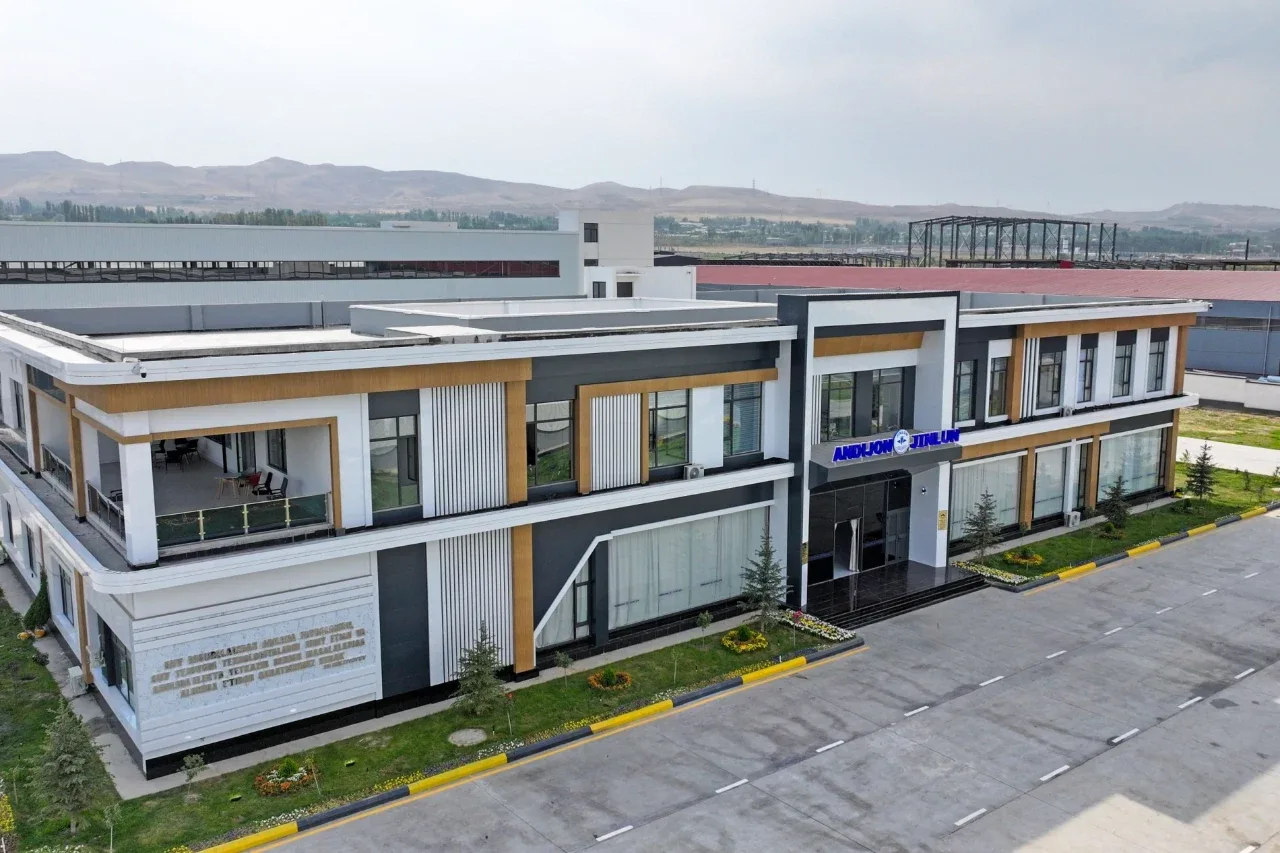
The establishment of a 20 million dollar hydropower plant in Andijan turns Uzbekistan not only into a consumer of "green" energy, but also into a Central Asian center exporting its high-tech equipment.
In your opinion, can the small HPP turbines produced in Andijan completely solve the electricity shortage problem in remote and mountainous regions of our country? How much will the export of equipment to Kazakhstan, Kyrgyzstan, and Tajikistan strengthen regional energy friendship? Leave your personal opinions in the comments and share the article dedicated to this important achievement in our country's "green" economy with all your friends!



Comments 0
…