What did the leaders of the three great powers agree on regarding Ukraine, nuclear weapons, and Iran?
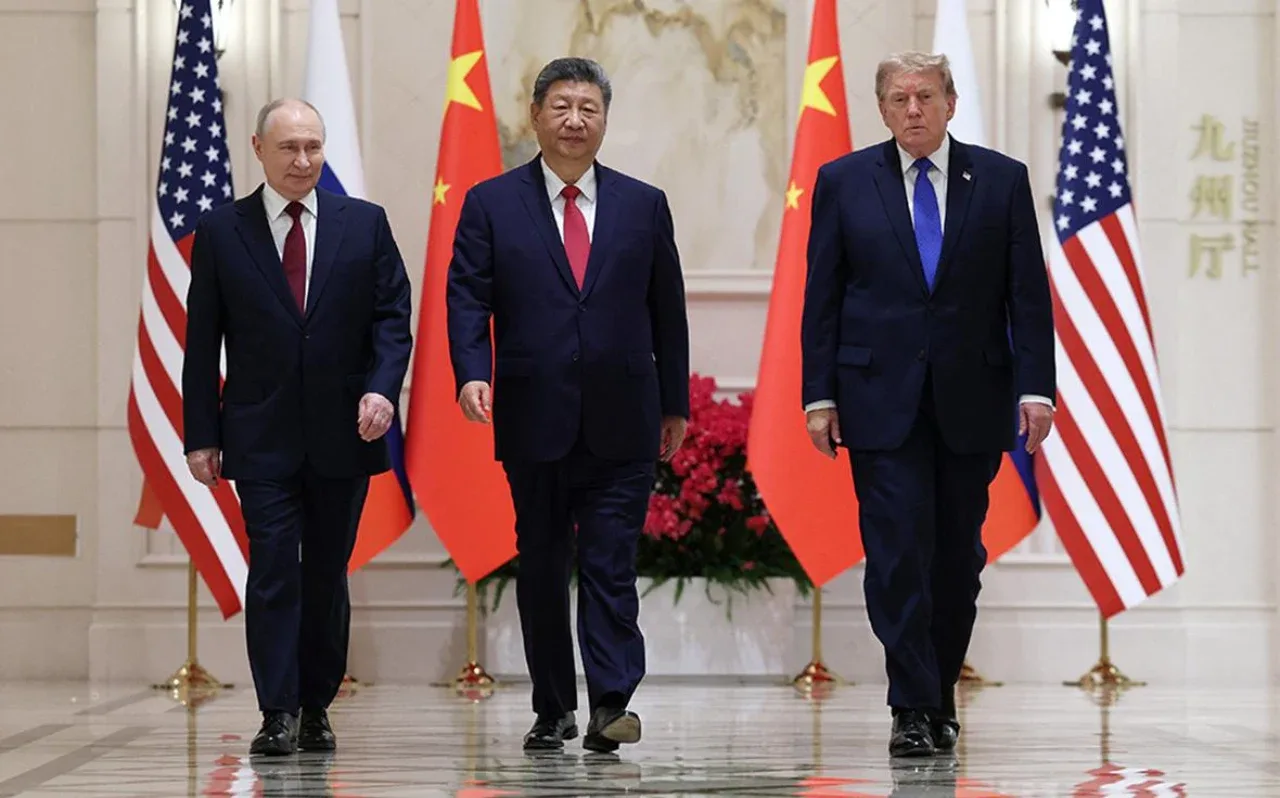
The first-ever trilateral negotiations in history between the leaders of China, Russia, and the USA, held on the sidelines of the Asia-Pacific Economic Cooperation (APEC) summit in Shenzhen, China, have concluded. According to CGTN, the meeting, chaired by Xi Jinping at the "Silin Shanchjuan" residence, lasted nearly an hour and a half, with the main part held behind closed doors.
Main topics of the negotiations: Ukraine, nuclear weapons, and Iran
During the summit, the leaders of the three countries expressed their positions on the most sensitive points of global security:
Ukraine conflict: US President Donald Trump stated that all parties are interested in ending the Russia-Ukraine conflict and proposed discussing this issue in a trilateral format. Vladimir Putin supported this proposal, emphasizing that the three countries have "many overlapping interests in regulating regional conflicts, including the Ukrainian crisis." Xi Jinping did not directly mention the topic of Ukraine in his opening remarks.
Nuclear security and Iran: Donald Trump called the cooperation of the three powers in combating nuclear proliferation "vital" and called for discussions on reducing nuclear arsenals (Washington is demanding that Beijing be included in new agreements following the expiration of the Russia-US New START treaty in February 2026). The US President also noted that Iran must not be allowed to possess nuclear weapons. Xi Jinping compared nuclear weapons to a "Sword of Damocles" and called for their total prohibition and elimination.
Global order and the ICC: The President of the PRC described the summit as "innovative," stating that "if major powers are united, peace will prevail in the world, but if they engage in conflict, chaos will ensue." Vladimir Putin raised the issues of energy and food security, the fight against terrorism, and the need to preserve the role of the UN. Trump, stating "We are making history," suggested that the activities of the International Criminal Court (ICC), which is operating outside its jurisdiction, should be discussed.
Leader | Key ideas and statements put forward at the summit |
Xi Jinping (China) | Total prohibition and elimination of nuclear weapons; unity of major powers |
Vladimir Putin (Russia) | Common interests regarding Ukraine; energy and food security; role of the UN |
Donald Trump (USA) | Ending the war in Ukraine; reducing nuclear arsenals; the issue of Iran and the ICC |
Bilateral meetings and international reaction
Before the general summit, Donald Trump held separate talks with both leaders. The dialogue with Vladimir Putin lasted approximately 40 minutes — this was their first full-fledged face-to-face meeting since their summit in Alaska in August 2025, with Ukraine being the main topic. With Xi Jinping, Trump discussed the economy, customs tariffs, the Taiwan issue, and ways to end the war in Ukraine for nearly one hour.
The US administration had previously stated that this summit was a starting point for further discussions and that no breakthrough written agreements were planned to be signed as a result. The Kremlin also described its expectations as "pragmatic."
However, the format of the negotiations was sharply criticized by Ukrainian President Volodymyr Zelenskyy and a number of European politicians — in particular, Polish Foreign Minister Radosław Sikorski. They warned against attempts to decide the fate of European security and Ukraine without its participation.
In your opinion, will practical progress begin in resolving the Ukraine conflict and global nuclear security after the results of the trilateral summit in Shenzhen, or will the resistance of Europe and Kyiv hinder this process? Leave your thoughts in the comments!

No ads with a subscription
Zamin Premium — 4 900 UZS a month


Related news


Comments0
…