


Saudi Crown Prince refuses joint strikes with Israel against Houthis
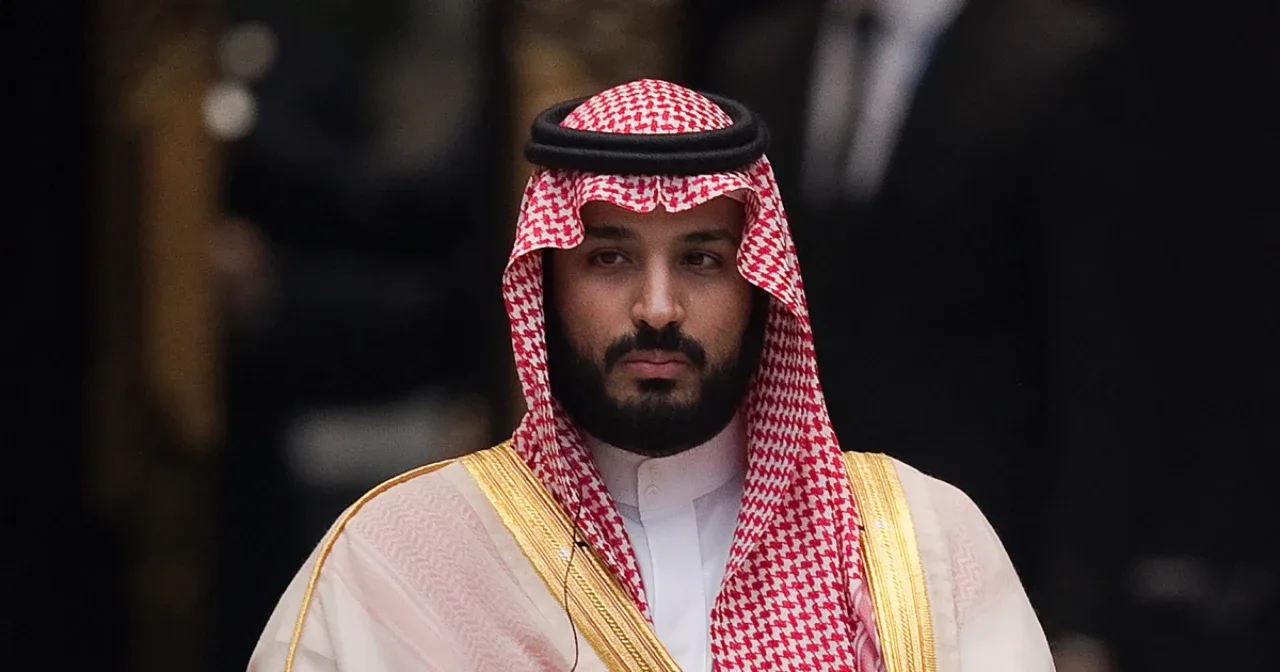
Saudi Arabia's Crown Prince Mohammed bin Salman has officially rejected an initiative put forward by Israel to conduct joint military operations against the Houthis in Yemen. According to classified details released by Israel's influential newspaper Haaretz, Benjamin Netanyahu's government sought Riyadh's consent for military operations in the Red Sea through Washington's mediation, but Riyadh flatly turned down the proposal.
This decision by the Kingdom's leadership is explained as an effort to preserve the geopolitical balance in the region and safeguard its influence among Muslim nations.
Netanyahu's attempt through Washington
According to Haaretz, the negotiations and attempts unfolded as follows:
Joint operations plan: Israeli Prime Minister Benjamin Netanyahu sought to secure Riyadh's agreement to ensure the participation of the Israel Defense Forces in operations against the Houthis in Yemeni territory and the Red Sea basin;
US mediation: Tel Aviv tried to convey this proposal to Saudi Arabia not directly, but through Washington's diplomatic channels, approaching it as an ally;
Firm refusal: Crown Prince Mohammed bin Salman strongly refused to participate in any military coalition or coordinated strikes with Israel.
The Prince's main reasons: Prestige in the Islamic world and internal risk
A number of strategic factors led the Saudi heir to the throne to reject this proposal:
Position in the Islamic world: The Kingdom's participation in military actions alongside Israel against a Muslim country could deal an irreparable blow to Riyadh's leadership prestige and status throughout the Islamic world;
Risk of internal public discontent: At a time when there is strong resistance to Israeli policies within the country and the Arab world, such a military step was assessed as carrying a high risk of triggering sharply negative reactions and unrest in Saudi society;
Regional stability: Saudi Arabia strives to maintain complex peace negotiations with the Houthis and avoid turning its territory back into a target for direct missile and drone attacks.
The Palestinian condition: When is normalization possible?
Against the backdrop of this refusal, Riyadh reaffirmed its unchanging official position regarding relations with Israel:
Demand for an independent Palestinian state: The Saudi Arabian leadership stated once again that the only way to establish any diplomatic ties and fully normalize relations with Israel is the official creation of an independent Palestinian state with East Jerusalem as its capital;
No agreement without conditions: It was announced that no security or military alliance can be formed until the Palestinian issue is justly resolved.
This diplomatic step by Mohammed bin Salman once again proves that Saudi Arabia relies on its national interests and the solidarity of the Arab-Muslim world in its foreign policy, rather than on US and Israeli pressures.



Comments 0
…